
 If you rent your home, you face a security reality that homeowners often don't. Renters are statistically more likely to be the victims of break-ins than homeowners, and apartment buildings with two to four units typically see the highest concentration of burglaries of any residential structure type. Yet according to recent industry research, renters are also less than half as likely to install a home security system compared to homeowners — often because of perceived lease restrictions, cost concerns, or the assumption that "the building's locked, so I'm safe."
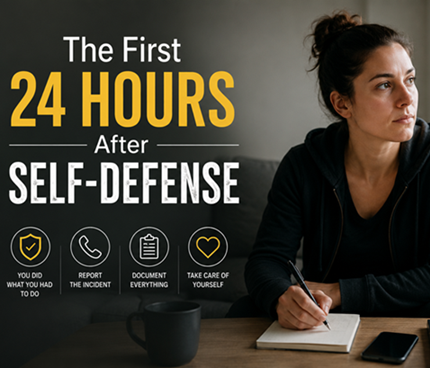
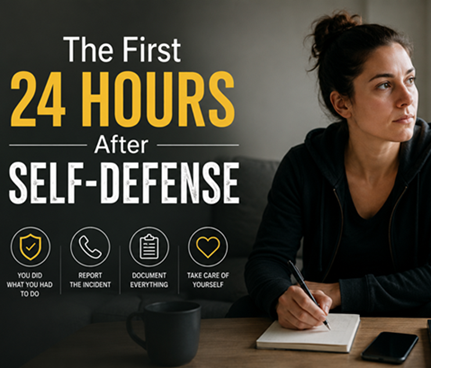 You've trained. You've carried responsibly. You've read up on your state's self-defense laws. Then the unthinkable happens — and you successfully defend yourself.
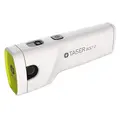
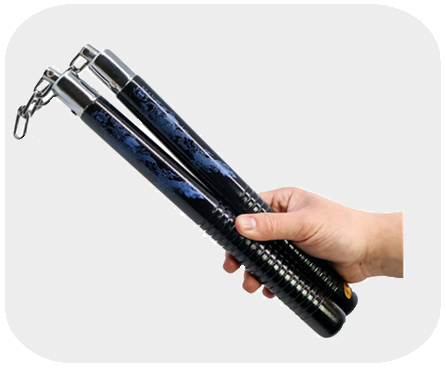
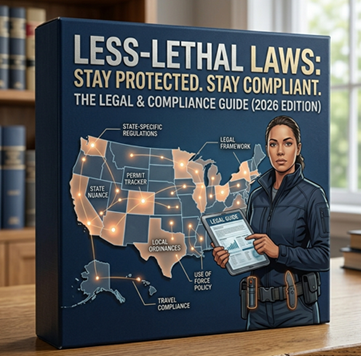
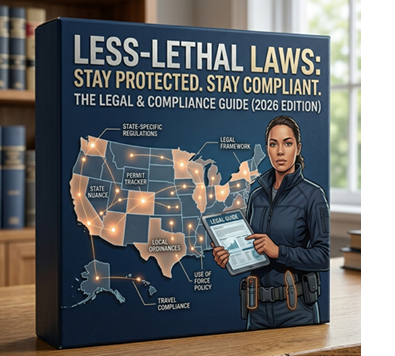 Pepper spray. Stun guns. Tasers. Tactical pens. Personal alarms. Pocket knives. For millions of Americans, these tools represent a middle path between doing nothing and carrying a firearm. They're affordable, they don't require a federal background check, and many people assume they're "legal everywhere."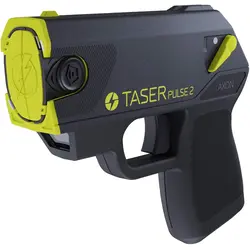
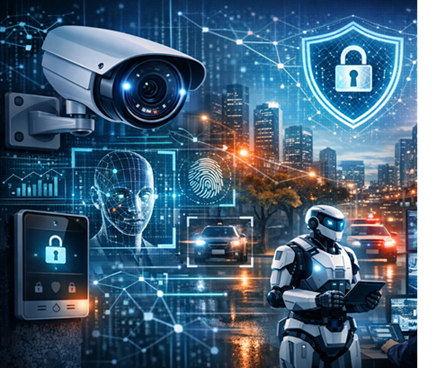 Security has evolved dramatically over the past two decades. What began as simple alarm systems and closed-circuit cameras has transformed into intelligent, adaptive, and predictive networks powered by artificial intelligence (AI). Automated security systems using AI are no longer experimental—they are being deployed in homes, businesses, factories, schools, and cities worldwide.
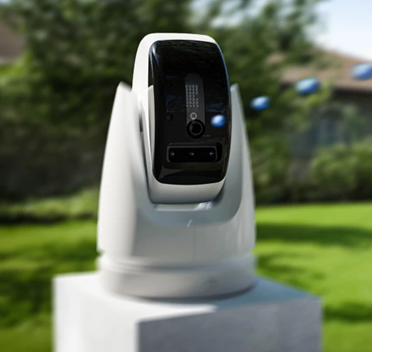 In an era where smart home technology is rapidly evolving, traditional security systems are no longer the only option for protecting property and loved ones. Cameras, alarms, and motion sensors have become commonplace, but they often serve a passive role—recording events rather than actively preventing them. Enter PaintCam, an unconventional and innovative security solution that aims to redefine what home protection looks like in the modern age. Available through the official platform at paintcam.net, PaintCam positions itself as a proactive, AI-powered security system designed not just to detect intruders, but to deter them in real time.
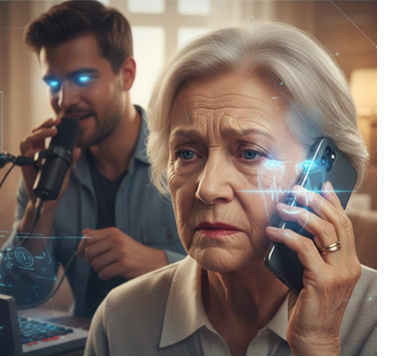 In today’s world, technological advances have revolutionized how we communicate, work, and interact with the digital environment. Among the most impressive—and simultaneously alarming—of these advances is artificial intelligence (AI)-driven voice cloning. This technology allows anyone with a sample of a person’s voice to generate highly realistic audio that mimics that person’s speech patterns, tone, and cadence. While voice cloning has legitimate applications in entertainment, accessibility, and personalized technology, it has also opened the door to a growing wave of cybercrime known as “Grandparent Scams,” where criminals exploit these lifelike voices to deceive and defraud unsuspecting victims.
 Pepper spray
 U.S. Immigration and Customs Enforcement (ICE) is the largest federal immigration enforcement agency in the United States. It is part of the Department of Homeland Security (DHS) and is charged with enforcing federal immigration laws, identifying, arresting, detaining, and removing noncitizens who are in the country unlawfully or who have violated immigration laws. ICE’s operations extend beyond immigration deportations to include enforcement of customs violations, financial crimes, and human trafficking matters.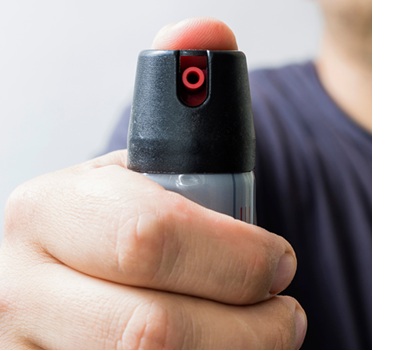
 The year 2026 presents a new and evolving set of challenges for families in the United States. While many of the risks people face today are familiar, the way those risks appear and the speed at which they develop have changed significantly. Technology, social instability, economic uncertainty, public safety concerns, and natural disasters all play a role in shaping how families must think about protection and preparedness.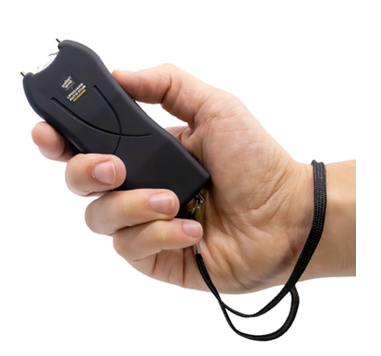
 Personal safety is often discussed in terms of self-defense tools/devices (i.e.,
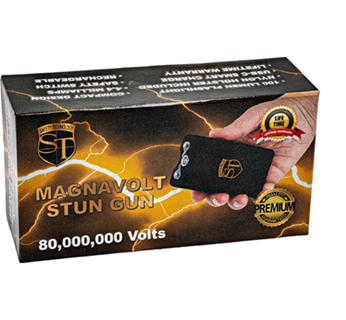
 Stun guns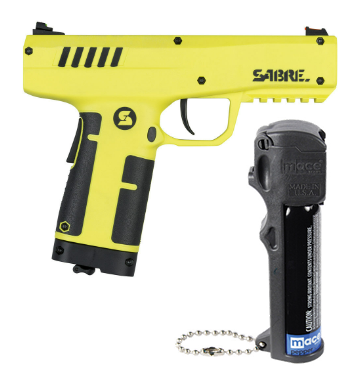
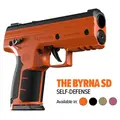
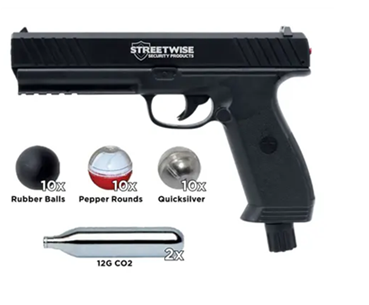
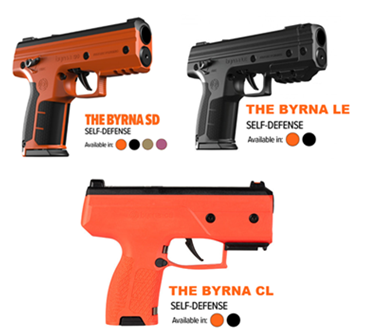 If you need a less-lethal option for personal safety choose by mission: bedside readiness, capacity for training and extended use, or everyday concealability. The right Byrna model depends on how you plan to carry it, where you will keep it, and how you will train with it.
  Motorcycles are a symbol of freedom, adventure, and efficiency on American roads. They attract riders of every background — from young thrill-seekers to seasoned commuters who appreciate the low cost and agility of two-wheel travel. But riding a motorcycle also means accepting a much higher level of risk than driving a car. The same openness that gives a sense of freedom also removes nearly all physical protection. A split-second mistake or another driver’s inattention can have devastating consequences.
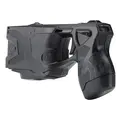
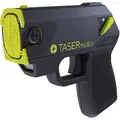
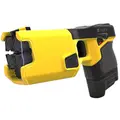
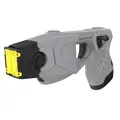
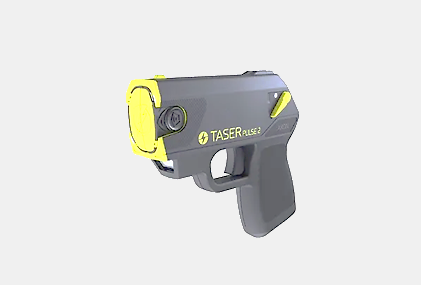
 Understanding the Legal Landscape for Stun Guns and Tasers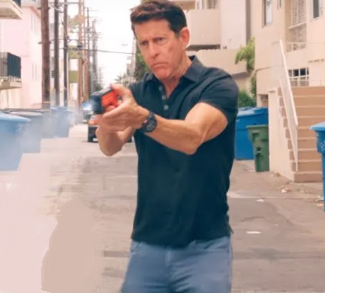
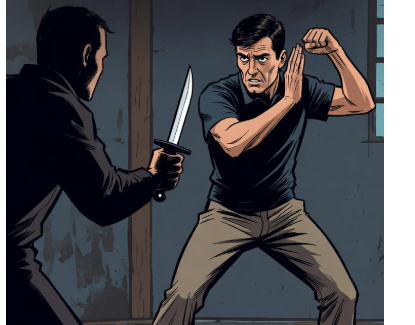
 Encountering a situation where someone wants to physically fight you can be a terrifying and dangerous experience. Your immediate priority should always be your safety and the safety of those around you. While it might be tempting to stand your ground or retaliate, the wisest and most effective course of action is almost always to de-escalate and disengage. This guide will walk you through the steps to take, from preventing a fight to surviving one if it becomes unavoidable.
 Bringing a baby home is an exciting milestone. It also brings the responsibility of making sure your home is as safe as possible. Babies are curious explorers from the moment they start moving, and even before they crawl, dangers exist in every room. Babyproofing your home is about reducing risks, anticipating hazards, and creating an environment where your child can grow safely. In this comprehensive guide, we will cover step-by-step how to make your home safe for a baby.
 The reality is stark: many women experience assault not from strangers lurking in dark alleys, but from men they know, trust, and often love. This truth is difficult but necessary to face. Discussions about “prevention” are complicated, because it is vital to understand one fundamental point: the only person responsible for preventing assault is the one who might commit it. You are never at fault for someone else’s violent or coercive behavior.

About Author: P. Birmingham founded Stunster.com in 2007 and has nearly two decades of hands-on experience with non-lethal self-defense tools, including TASER® devices, stun guns, pepper sprays and pepper guns. He works directly with distributors to ensure products meet high standards of reliability and usability. His mission is to help everyday people understand personal defense technology and make confident, informed choices.

RECENT BLOG POSTS
BEST SELLING STUN GUNS


BEST SELLING PEPPER SPRAYS

BEST SELLING TASERS & PEPPER GUNS