
QuickJam Universal Portable Door Blocker: Your Lightweight Guardian on the Go

08/18/2025
by P. Birmingham

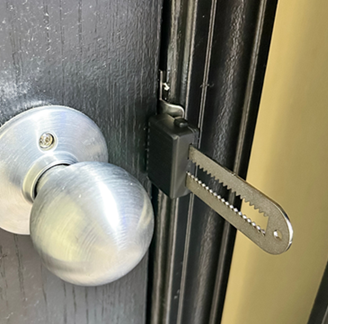
QuickJam Universal Portable Door BlockerImagine settling into your hotel room, Airbnb, or dorm for the night—and wanting just a bit more peace of mind. A standard lock might feel insufficient, or you're in a space without any latch at all. That’s exactly where the QuickJam Universal Portable Door Blocker steps in, offering travel-ready defense in a compact form.

What Is QuickJam?

In essence, QuickJam is a small, portable door-blocking device engineered to act like a secondary deadbolt. It’s built from solid steel, durable yet lightweight, measuring around 6″ × 1.75″ × 1.75″, making it easy to slip into your bag or even a keychain loop. No tools or permanent installation are needed—just a simple wedge between the door and strike plate, and you gain an extra barrier against intrusion.

Design & Build: Small but Strong

  • Size & Weight: Roughly 6 inches long and under 50g, QuickJam tucks effortlessly into your gear.

  • Material: Crafted from solid steel for maximum resilience.

  • Keyring Integration: Some editions include a built-in keyring, perfect for travelers who want this defense tool always within reach.

How It Works

  1. Slide the QuickJam between the door edge and the strike plate (or latch).

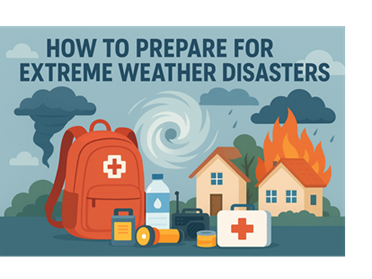
How to Prepare for Extreme Weather Disasters

08/16/2025
by P. Birmingham

weatherExtreme weather disasters are becoming more frequent and more severe across the globe. From hurricanes and floods to wildfires, blizzards, and heatwaves, communities everywhere are at risk. While we cannot stop nature’s force, we can prepare ourselves, our families, and our communities to better withstand these unpredictable events. Preparedness can make the difference between safety and catastrophe.

This comprehensive guide will walk you through the steps you can take to prepare for extreme weather disasters. By the end, you’ll have a detailed roadmap for protecting your loved ones, your property, and your peace of mind.

Understanding Extreme Weather Events

Before preparing, it’s crucial to understand what “extreme weather disasters” encompass:

  1. Hurricanes and Tropical Storms – Bring high winds, storm surge, and heavy rainfall that cause flooding and power outages.

  2. Floods – Can occur due to heavy rainfall, dam failures, snowmelt, or storm surges.

  3. Wildfires – Often fueled by dry conditions, high winds, and extreme heat.

Top 10 Scams to Watch Out For in 2025

08/10/2025
by P. Birmingham

2025 ScamsIn 2025, scams have become more sophisticated and varied than ever. Advances in AI, social engineering, and tech-driven impersonations are forcing individuals and businesses alike to stay vigilant. Global losses to scammers reached over $1 trillion in 2024, highlighting the urgent need to stay informed.
This post explores the 10 most widespread and damaging scam types in 2025, explains how they work, and offers practical steps to protect yourself—and your loved ones—from becoming a victim.

1. Deepfake & AI-Powered Impersonation Scams

Scammers now use AI-generated imagery and audio to mimic celebrities, trusted officials, or even loved ones. These fakes appear in ads, videos, and livestreams promoting bogus investment opportunities or soliciting sensitive data. The technology is so convincing that even cautious viewers can be fooled.

Example: A wave of deepfake ads featuring a well-known consumer advocate tricked thousands into crypto scams by making it appear the personality endorsed the product.

Protection Tips:

  • Be skeptical of unsolicited ads or messages, even if they feature familiar faces.

  • Independently verify offers or endorsements through official channels.

Training Without Fear: How to Practice Safe and Effective Use of Non-Lethal Tools

08/08/2025
by P. Birmingham

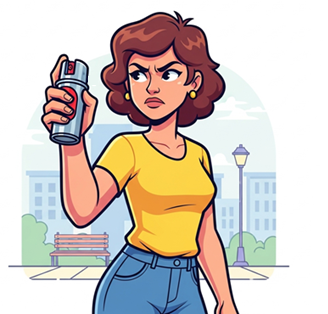
cartoon woman sprayNon-lethal self-defense tools—stun guns, pepper sprays, pepper gunsTASERs, and others—are designed to help you stay safe without causing permanent harm. But here’s the hard truth: simply buying one doesn’t make you safer.

The effectiveness of any self-defense tool depends on your ability to use it confidently and correctly. That’s where training comes in.
Proper training turns fear into preparedness, hesitation into instinct, and uncertainty into skill.

In this guide, we’ll break down how to train with non-lethal tools so that, if the moment ever comes, you’ll know exactly what to do.

1. Overcoming the Fear Factor

Many people buy a self-defense tool and then avoid practicing with it. The reasons are common:

  • Fear of accidental discharge

  • Worry about injuring themselves or others

  • Uncertainty about the legal consequences

But avoiding practice is like owning a fire extinguisher and never learning how to pull the pin.

How DNA Is Used to Solve Violent Crimes

08/05/2025
by P. Birmingham

DNAIn the world of crime investigation, few technologies have been as transformative as DNA analysis. Over the last few decades, DNA has moved from the realm of cutting-edge science into a mainstay of criminal justice, helping solve everything from recent assaults to decades-old cold cases. Whether it’s identifying a killer, exonerating the innocent, or linking crimes across jurisdictions, DNA evidence has reshaped how we pursue justice.
This post explores how DNA is used to solve violent crimes—what it is, how it’s collected, analyzed, matched, and presented in court—and why it's both powerful and, at times, controversial.

What Is DNA and Why Is It So Useful in Solving Crimes?

DNA, or deoxyribonucleic acid, is the molecule that carries our genetic code. Nearly every cell in the human body contains DNA, and with the exception of identical twins, each person’s DNA is unique.

This uniqueness makes DNA an invaluable tool for solving crimes. If someone leaves behind blood, semen, hair, saliva, or skin cells at a crime scene, forensic scientists can extract DNA from those materials. Even a small amount of DNA—just a few skin cells—can potentially provide enough evidence to link someone to a crime or eliminate them as a suspect.

Step-by-Step: How DNA Is Used in Criminal Investigations

1. Collection of DNA Evidence at the Crime Scene

The process begins with careful collection of potential DNA-containing material. This could include:

What to Do After You Use a Stun Gun in Self-Defense

08/02/2025
by P. Birmingham

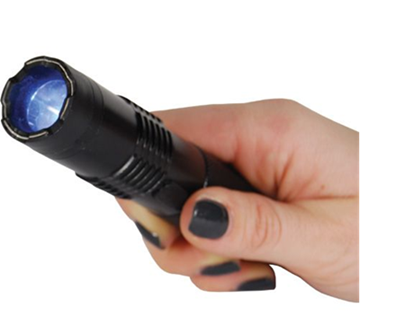
stun-gun-held-by-handUsing a stun gun in self-defense is a high-stress, high-stakes decision. It's not something anyone wants to do, but in a dangerous situation, it might be the best—or only—option to protect yourself. Once the moment passes and the immediate threat is neutralized, what happens next is just as important as what you did during the encounter.

Understanding the right steps to take after deploying a stun gun can protect you legally, emotionally, and physically. In this guide, we'll walk through what you should do immediately after using a stun gun in self-defense, the potential legal aftermath, and how to prepare for future situations.

1. Ensure Your Immediate Safety

First and foremost: make sure you’re still safe. The attacker might be immobilized temporarily, but you need to stay alert. Here’s what to consider:

  • Create distance: If the assailant is down, move away quickly. Do not stand over them or stay within reach.

  • Look for exits: Leave the area if possible. Get to a place with people or surveillance cameras.

  • Call for help: If there are bystanders, ask them to help or call 911.

A stun gun provides a window of escape—use it.

2. Call 911 Immediately

Even if your attacker runs off or is no longer a threat, call 911 as soon as possible. Here’s why:

Understanding the Rise of "Murder Insurance" in America

07/24/2025
by P. Birmingham

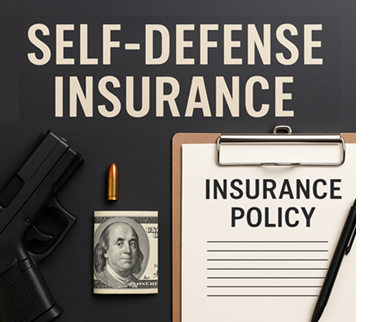
self-defense insuranceIn the United States, where the right to self-defense is deeply ingrained in the cultural and legal fabric, a growing number of gun owners are turning to a controversial financial product known as self-defense insurance. Critics label it "murder insurance," a provocative term that raises fundamental questions about morality, legality, accountability, and the commercialization of violence. But what is self-defense insurance, why is it growing in popularity, and what are the broader implications for society? In this blog post, we take an in-depth look at this phenomenon—examining how it works, who’s buying it, what critics and advocates are saying, and what the future may hold.
What Is Self-Defense Insurance?

Self-defense insurance is a form of legal coverage designed to assist policyholders who use force—typically deadly force—in what they claim is self-defense. These plans cover a range of potential costs, including:

  • Criminal defense attorney fees

  • Civil lawsuit expenses

  • Bail bonds

  • Firearms replacement

  • Expert witness fees

  • Psychological counseling

How to Use Common Items as Self-Defense Tools

07/16/2025
by P. Birmingham

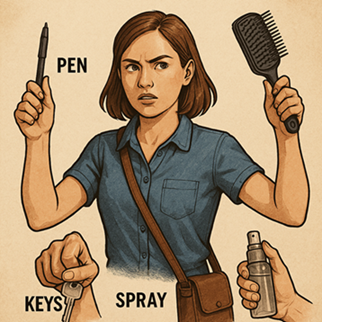
household self defense itemsSelf-defense is a crucial skill in today’s unpredictable world. While martial arts training and carrying dedicated self-defense tools like pepper spray or tactical flashlights are excellent options, not everyone has access to them at all times. That’s where the power of improvisation comes in. Everyday items around you can be repurposed into effective self-defense tools if you know how to use them. In this blog post, we'll explore how to turn ordinary objects into life-saving instruments, the mindset required to do so, and practical tips for ensuring your safety with what's readily available.
The Self-Defense Mindset: Awareness and Adaptability

Before diving into specific items, it's important to understand that successful self-defense isn't just about tools — it's about mindset. Awareness of your surroundings and adaptability to situations are your first lines of defense. If you train yourself to identify potential threats and remain calm under pressure, you'll be more effective at using any object as a defensive weapon.

Your goal in any threatening situation is to create an opportunity to escape. The improvised weapon is not for prolonged combat but to disable or distract your attacker just long enough to get away.

Common Items That Can Be Used for Self-Defense

1. Keys

Keys are one of the most accessible self-defense items. Held properly, they can be used as a striking tool to inflict pain on an assailant.

How to use:

  • Hold the key between your fingers like a knuckle-duster, or grip a single key protruding from your fist.

Is Carrying a Knife for Self-Defense Considered a Lethal Weapon?

07/13/2025
by P. Birmingham

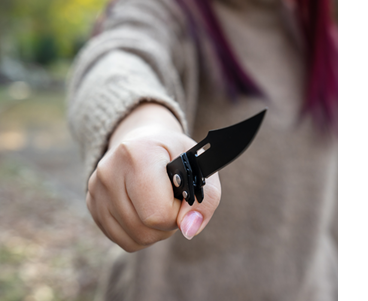
woman holding knifeIn a world where personal safety concerns are at an all-time high, many people seek ways to protect themselves from potential threats. Among the variety of self-defense tools available, some individuals consider carrying a knife as a means of personal protection. Knives are accessible, easy to conceal, and undeniably effective in close-quarters combat. However, it is crucial to understand that carrying a knife for self-defense is not the same as carrying a non-lethal deterrent like pepper spray or a personal alarm.
Both from a legal and practical perspective, a knife is considered a lethal weapon. This classification carries significant implications, not just in terms of how the law views such weapons, but also in the real-world consequences of using a knife in a self-defense scenario. In this blog post, we’ll explore the legal status of carrying a knife for self-defense, the practical dangers it presents, the moral and social implications, and safer alternatives for personal protection.

Understanding the Legal Classification of Knives as Weapons

What Makes a Weapon "Lethal"?

A lethal weapon, also known as a deadly weapon, is any object designed to inflict serious bodily harm or death. While some weapons are inherently designed to kill (such as firearms), others — like knives — have utilitarian purposes but can easily become deadly in violent situations.

When it comes to legal definitions, intent and context matter. A kitchen knife used in cooking is just a tool. However, a knife carried in your pocket for the purpose of defending yourself against an attacker is almost universally viewed by courts and law enforcement as a deadly weapon.

Caught in a Flood? Here’s Exactly What to Do—In a Car, Indoors, or Outdoors

07/12/2025
by P. Birmingham

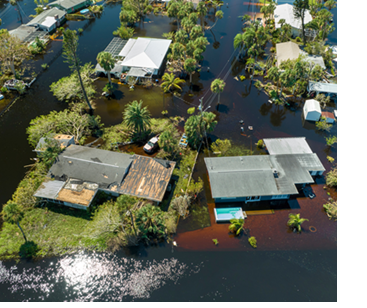
floodingWith the recent devastating floods across Texas, many people have been caught off guard and unprepared. Flooding is one of the most dangerous natural hazards in the U.S., and in moments of crisis, knowing what to do can mean the difference between life and death. Whether you're driving, sheltering at home, or outside in the elements, this comprehensive guide explains exactly what to do if you’re caught in a flood.
Understanding Flood Risks

Floods can happen with little warning—especially flash floods. The leading causes include:

  • Torrential rainfall

  • Overflowing rivers or dams

  • Storm surges from hurricanes or tropical storms

  • Urban drainage failures

In Texas, recent flooding has overwhelmed roadways, swept away vehicles, and forced thousands to evacuate their homes. The danger is very real, and unfortunately, many underestimate it.

Fact: Just 6 inches of water can cause a vehicle to lose control. 2 feet of rushing water can carry away most cars—including trucks and SUVs.

Streetwise Black Solid Steel Handcuffs: Tough, Trustworthy, Tactical

07/08/2025
by P. Birmingham

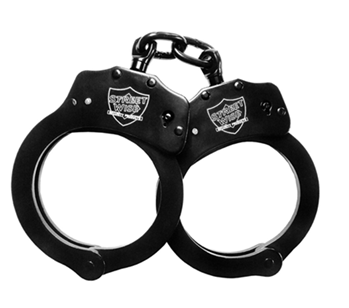
Streetwise Black Solid Steel HandcuffsIn the world of security and law enforcement, reliable restraint tools are fundamental. Whether you’re a security professional, a police officer, or a private citizen concerned about personal safety, handcuffs are a go-to for establishing control. Of them all, the Streetwise Black Solid Steel Handcuffs stand out—built for resilience, precision, and peace of mind. Here’s a deep dive into what makes them a solid choice.

Rugged Construction You Can Rely On

At their core, these cuffs are made from nickel‑plated solid steel. This isn’t cheap, stamped alloy—but full‑on steel forged for serious applications. The nickel plating significantly boosts corrosion resistance, which means they’ll hold up through daily wear and harsh environments. Multiple retailers highlight this feature, describing them as “constructed from nickel‑plated steel and both durable and corrosion resistant.”

Their solid‑steel composition isn’t just durable—it gives these cuffs weight and heft that feels professional, a feature typically found in higher-end duty gear.

Double Locking, Push‑Pin Precision

One of the most essential safety features in any handcuff is the double‑lock mechanism—a lock that prevents the cuffs from tightening further once engaged. This avoids serious risks like nerve compression or circulation loss if the subject struggles, while also preventing escapes by ratcheting deeper.

Streetwise uses a push‑pin style double lock: insert the pin end of the key into the locking hole to activate it. This ensures the cuff stays exactly where you set it. It’s a professional‑grade safety element, and most universal pants‐style, hinged or chain cuffs incorporate it today.

Why Japan Stays Slim and America Doesn’t

07/05/2025
by P. Birmingham

ObesityWhen comparing global obesity rates, one glaring contrast stands out: Japan versus the United States. While Japan’s adult obesity rate hovers around 4.2%, America’s has skyrocketed to over 42%. That’s a tenfold difference, and it’s not due to genetics—Japanese people who adopt a Western lifestyle often gain weight too. So, what’s behind this dramatic health divide?
In this blog post, we’ll explore the deep-rooted cultural, dietary, behavioral, environmental, and policy-driven reasons why Japan has managed to stay slim while the U.S. has become one of the most overweight nations in the world. Understanding these differences isn't about blame—it's about insight and the possibility of positive change.

1. Cultural Attitudes Toward Food and Health

A. Mindful Eating (Hara Hachi Bu)

In Japan, there's a concept called “hara hachi bu,” which means eating until you're 80% full. This cultural principle teaches people to listen to their bodies and avoid overeating, even if the food is delicious. By contrast, American culture often encourages "cleaning your plate" or supersized portions, promoting overeating without regard to satiety.

B. Food as Fuel vs. Food as Reward

In the U.S., food is often used as an emotional crutch—celebrations, stress, boredom, and even sadness can trigger indulgent eating. Japan, on the other hand, views food more as nourishment and balance, with meals carefully structured around seasonality, freshness, and variety.

Beyond the Arc: Understanding the Science Behind Neuromuscular Incapacitation

06/30/2025
by P. Birmingham

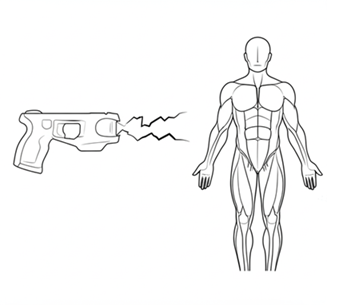
Neuromuscular IncapacitationIn recent years, personal safety tools have advanced significantly—from pepper sprays to sophisticated electroshock weapons. Among these, devices that use neuromuscular incapacitation (NMI) stand out for their unique ability to temporarily disable an assailant without causing lasting harm. Popularized through stun guns and conducted electrical weapons (CEWs) like TASERs, NMI is often misunderstood by the public and even some professionals.

This post goes beyond the spark and arc of these devices to uncover the science, engineering, and real-world implications behind neuromuscular incapacitation. Whether you're a civilian considering non-lethal protection, a law enforcement professional, or a curious technophile, this deep dive will help you understand how and why NMI works—and the limits of its power.

1. What Is Neuromuscular Incapacitation?

Neuromuscular incapacitation is a process that overrides the body's voluntary muscle control by delivering high-voltage, low-current electrical pulses that stimulate motor nerves. This causes uncontrollable muscle contractions, effectively disabling movement.

Key elements of NMI:

  • Non-lethal but effective: NMI is designed to incapacitate, not to injure or kill.

  • Temporary: Effects usually last only while the current is applied and subside within minutes.

What to Expect If You Accidentally Spray Yourself (And How to Recover Fast)

06/26/2025
by P. Birmingham

pepper spray sketchPepper spray is one of the most effective self-defense tools available. It’s compact, affordable, and powerful enough to stop an attacker in their tracks. But what happens when the person who ends up getting sprayed isn’t your attacker — it’s you?

Accidental self-contamination with pepper spray is more common than people think, especially among beginners or those who carry it without training. Whether it's due to wind blowback, misfiring, or simple user error, getting sprayed with your own self-defense tool can be a painful and frightening experience.

This blog post walks you through exactly what to expect if you accidentally spray yourself — and more importantly, how to recover as quickly as possible. Whether you're preparing for potential accidents or dealing with one right now, the information below will help you stay calm, informed, and in control.

What Is Pepper Spray?

Before diving into the symptoms and recovery process, it helps to understand what pepper spray is made of. The active ingredient is oleoresin capsicum (OC), a natural oil derived from hot peppers. This substance causes intense irritation to the eyes, skin, and respiratory system.

Pepper spray is not lethal, but its effects are debilitating — which is exactly why it's used by law enforcement and civilians alike for self-defense. Unfortunately, it does not discriminate between attacker and user. The moment it hits sensitive tissues like your eyes or airways, your body reacts dramatically.

Common Ways People Accidentally Spray Themselves

Accidental exposure can happen in many ways:

  • Wind blowback during outdoor use

Deadly Heatwaves and Personal Safety: How to Stay Safe in Extreme Heat

06/25/2025
by P. Birmingham

Heat stressAs climate change accelerates, deadly heatwaves are becoming increasingly frequent and intense across the globe. In recent years, record-breaking temperatures have plagued cities not just in traditionally hot regions but in places previously considered temperate. From Phoenix to Paris, and from Atlanta to Athens, more people are falling victim to extreme heat than ever before.
Heatwaves are now one of the leading weather-related causes of death in the United States, surpassing hurricanes, floods, and tornadoes. According to the Centers for Disease Control and Prevention (CDC), hundreds of Americans die from extreme heat every year, and thousands more suffer from heat-related illnesses such as heat exhaustion and heatstroke.

This blog post explores the rising threat of deadly heatwaves, the dangers they pose to personal safety, and most importantly, how you and your family can stay safe when temperatures soar.

Understanding Heatwaves: Why They're Deadly

A heatwave is generally defined as a prolonged period of excessively hot weather, which may be accompanied by high humidity. While the exact definition varies by region, the effects are universally dangerous. Unlike other natural disasters, heatwaves often lack visual cues and strike silently, making them particularly insidious.

Heatwaves can:

  • Overwhelm the body’s ability to regulate temperature.

  • Lead to dehydration, heat exhaustion, and potentially fatal heatstroke.

Review of the Talon 75 Million Volt Stun Gun and Flashlight

06/21/2025
by P. Birmingham

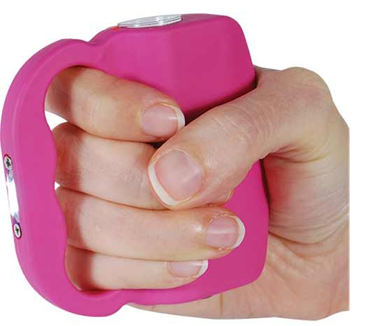
75MM Volts Talon Stun Gun and Flashlight - PinkWhen it comes to personal safety, having a tool that is both effective and easy to carry can make all the difference. The Talon 75 Million Volt Stun Gun and Flashlight is designed with those needs in mind, offering high-voltage protection in a compact, user-friendly package. In this review, we’ll break down the key features, performance, and some honest pros and cons to help you decide if this stun gun is right for you.
First Impressions and Design

The Talon stun gun stands out immediately for its smart ergonomic design. Shaped to fit comfortably in the palm of your hand, the Talon feels solid and secure thanks to its rubberized coating and aircraft-grade aluminum body. It’s lightweight and discreet, making it ideal for everyday carry whether you’re walking to your car late at night, jogging, or commuting.

One of the most practical features is the squeeze-to-activate trigger. Unlike other stun guns that require you to fumble for buttons, the Talon’s hidden trigger sits naturally under your palm, so simply gripping the unit firmly will activate the stun. This design offers an instinctive, quick-response solution in high-stress situations where every second counts.

Performance and Effectiveness

The Talon packs a powerful 75 million volts, backed by approximately 4.7 milliamps of current. While the voltage number sounds staggering, what really matters is the amperage, which is strong enough to cause pain, muscle spasms, and temporary incapacitation when used correctly. In real-world use, the sound of the electric arc alone is often enough to scare off would-be attackers without having to make physical contact.

What Usually Leads to Catastrophic Events Caused by Humans

06/14/2025
by P. Birmingham

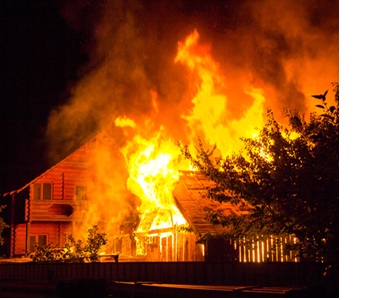
building on fireThroughout history, some of the world’s most devastating catastrophes were not caused by earthquakes, hurricanes, or tsunamis but by human hands. Human-made disasters can be sudden and shocking or build slowly over years, eventually erupting into tragedy. They can claim thousands of lives, destroy cities, destabilize economies, and leave lasting scars on society.

Understanding what usually leads to catastrophic events caused by humans is critical for prevention. By recognizing patterns, psychological traps, and systemic weaknesses, societies and organizations can reduce the likelihood of repeating the same devastating mistakes.

In this post, we will explore the key factors that commonly lead to catastrophic events caused by humans. These include:

  • Human Error and Negligence

  • Corporate Greed and Profit Over Safety

  • Systemic and Organizational Failures

  • Regulatory Lapses and Weak Oversight

  • Technological Hubris and Poor Risk Assessment

  • Political Decisions and Corruption

How to Spot a Con Artist – And How Not to Get Conned

06/13/2025
by P. Birmingham

con-artistIn a world where scammers constantly evolve their tactics, anyone, regardless of age, education, or financial status, can fall victim to a con artist. These deceptive individuals are masters at gaining trust, manipulating emotions, and exploiting vulnerabilities to achieve one goal: to separate you from your money, assets, or even your identity.
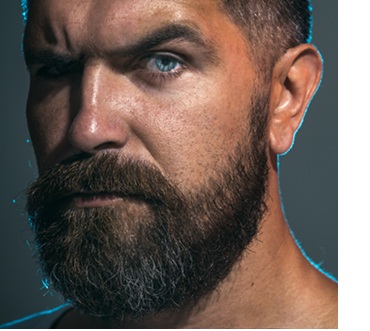
Whether it’s a smooth-talking stranger, a deceptive online profile, or someone masquerading as a business professional, the threat of being conned is very real. The good news? By learning how to recognize the signs, you can protect yourself and your loved ones from falling prey.

In this comprehensive guide, we’ll explore:

  • The psychology of a con artist

  • Common traits and tactics used by con artists

  • Real-life examples of cons

  • Red flags to watch out for

  • How to protect yourself from scams

What is a Con Artist?

A con artist, short for "confidence artist," is someone who gains your trust (your confidence) to deceive you for personal gain. Their cons can range from small, one-off scams to elaborate schemes that span months or even years.

Con artists don't need to use force or threats. Instead, they rely on charm, persuasion, manipulation, and deception. Their game is psychological, and the best of them can make even the most cautious person lower their guard.

How to Spot Dangerous People: Signs, Red Flags, and Tips for Staying Safe

06/12/2025
by P. Birmingham

dangerous manIn an ideal world, we would be able to trust everyone we meet. Unfortunately, the reality is that dangerous people exist, and being able to spot them can be the difference between safety and harm. Dangerous individuals aren’t always easy to identify at first glance. They can appear charming, friendly, and seemingly harmless, which makes it even more important to understand the subtle signs and behavioral patterns that can reveal their true intentions.

Whether you’re navigating relationships, social settings, or just everyday interactions, learning how to spot dangerous people is an essential skill for personal safety. This guide will break down the key warning signs, psychological traits, and situational red flags that can help you protect yourself and those you care about.

Why It’s Important to Spot Dangerous People Early

Many people ignore early warning signs because they want to give others the benefit of the doubt. While kindness and empathy are valuable traits, overlooking danger signs can lead to harmful situations ranging from manipulation and emotional abuse to physical harm.

Dangerous people often prey on trust, politeness, and social norms that discourage confrontation. By sharpening your observation skills and trusting your instincts, you can avoid falling into their traps.

Types of Dangerous People

Dangerous people come in many forms. Here are some of the most common types you may encounter:

  1. Physical Threats: Individuals who pose an immediate threat of violence, assault, or harm.

5 Common Mistakes When Carrying Pepper Spray – And How to Avoid Them

06/11/2025
by P. Birmingham

Pepper SprayCarrying pepper spray can be a simple, cost-effective way to enhance your personal safety. Whether you're walking to your car at night, jogging alone, or just navigating the unpredictability of daily life, pepper spray can offer a valuable layer of protection. However, like any self-defense tool, it’s only effective when carried and used correctly. Many people purchase pepper spray and feel safer immediately—but without proper training or understanding, they may make critical mistakes that could leave them vulnerable in a dangerous situation.

In this comprehensive guide, we’ll walk you through five common mistakes people make when carrying pepper spray—and how you can avoid them. Learning to recognize and correct these errors will help ensure that you can rely on your pepper spray when you need it most.

Mistake #1: Not Practicing How to Use It

Why It’s a Problem:

Buying pepper spray and assuming you’ll instinctively know how to use it during a high-stress encounter is a dangerous gamble. The body responds to fear and adrenaline in surprising ways—your fine motor skills diminish, your heart rate accelerates, and decision-making becomes impaired. Without practice, you may freeze, fumble, or even accidentally spray yourself.

Real-World Example:

Imagine you’re approached aggressively in a parking garage. You reach for your pepper spray, but in the heat of the moment, you can't figure out how to disengage the safety cap, or you hold it backward and accidentally spray your own hand. This could escalate your vulnerability rather than improve your safety.

5 Common Mistakes When Carrying a Stun Gun – And How to Avoid Them

06/10/2025
by P. Birmingham

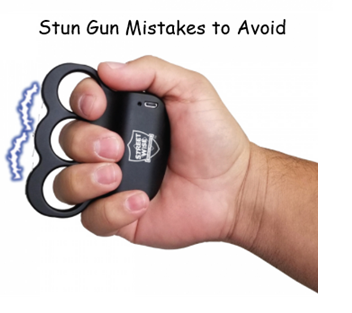
Stun Gun Mistakes to AvoidCarrying a stun gun can provide an invaluable sense of safety and security, especially for those who want a non-lethal method of self-defense. However, owning and carrying a stun gun comes with its own set of responsibilities and potential pitfalls. Misunderstanding how to properly use or carry a stun gun can not only render it ineffective in a critical moment but may also lead to legal or personal consequences.

In this comprehensive guide, we will explore the five most common mistakes people make when carrying a stun gun and, most importantly, how to avoid them. Whether you are new to self-defense tools or looking to refresh your knowledge, this article will equip you with the essential best practices to ensure you are protected, responsible, and confident.

Mistake 1: Not Knowing Local and State Laws

The Problem:

Many stun gun owners fail to research the legal requirements and restrictions surrounding stun gun possession and usage in their specific area. Laws regarding stun guns vary widely across cities, counties, and states. In some places, stun guns are prohibited altogether or require a permit.

Ignorance of the law is not a valid defense. Being caught with a stun gun in a restricted area can result in fines, confiscation, or even criminal charges.

How to Avoid It:

  • Research Thoroughly: Before purchasing or carrying a stun gun, check both state and local laws. Websites like Stunster.com often offer legal resources, but always verify with local law enforcement or legal counsel.

How Disabled People Can Protect Themselves and Stay Safe

06/06/2025
by P. Birmingham

disabled self defenseSafety and self-defense are fundamental rights that should be accessible to everyone—regardless of physical, sensory, or cognitive abilities. Unfortunately, disabled individuals often face greater threats, including a higher risk of assault, theft, abuse, and exploitation. These dangers aren't just theoretical; statistics consistently show that people with disabilities experience crime at higher rates than the general population.

But disability does not mean helplessness. With the right mindset, preparation, tools, and training, people with disabilities can defend themselves effectively and live with greater confidence and independence. This blog post offers practical, empowering, and inclusive self-defense strategies for people with disabilities—ranging from physical adaptations to situational awareness and legal protection.

Why Self-Defense Matters for Disabled People

Self-defense is about more than just stopping an attacker. It’s about:

  • Preventing violence and harassment

  • Establishing personal boundaries

  • Building confidence and independence

  • Reducing fear and anxiety

  • Improving overall mental health and resilience

For many disabled people, being able to defend oneself offers a renewed sense of control in a world that often overlooks or marginalizes them.

The 20 Safest and 20 Least Safe Places to Visit in the World—and Why

06/05/2025
by P. Birmingham

worldTravel is one of life’s greatest joys, offering unforgettable experiences, new cultures, and stunning landscapes. However, not all destinations are created equal when it comes to safety. Whether you're a solo traveler, planning a family vacation, or embarking on a romantic getaway, knowing where you’re safest (or most at risk) can shape your journey in powerful ways.

In this article, we explore 20 of the safest and 20 of the least safe places to visit in the world, based on crime rates, political stability, healthcare infrastructure, natural disasters, and other safety metrics. We also explain what makes each destination stand out—for better or worse.

20 Safest Places to Visit in the World

1. Iceland

  • Why it’s safe: Topping the Global Peace Index for over a decade, Iceland is virtually crime-free. With strong law enforcement, no military, and a small, tightly knit population, it’s a haven for solo and family travelers.

  • Bonus: Nature lovers can enjoy glaciers, volcanoes, and the Northern Lights.

2. Switzerland

  • Why it’s safe: Political neutrality, low crime, excellent healthcare, and efficient infrastructure make Switzerland a secure and comfortable destination.

  • Bonus: Renowned for hiking, skiing, and picturesque Alpine villages.

How Technology Can Help You Be Safe: Smart Tools for a Safer Life

06/04/2025
by P. Birmingham

defense technologyIn a world where uncertainty can strike at any moment—from cyber threats to physical danger—technology is rapidly becoming one of our greatest allies in personal safety. Whether you’re at home, on the road, traveling solo, or just browsing online, modern tools and gadgets are doing more than ever to protect us from harm.
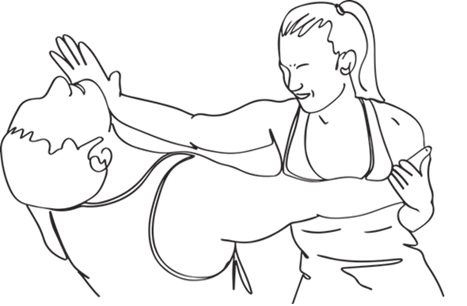
This blog post explores how technology can help you be safe in everyday life. We'll break down innovations in home security, personal safety, digital protection, travel, emergency preparedness, and more. By the end, you’ll walk away with a practical understanding of how to use today’s tools not just to survive—but to live smarter and safer.

1. Home Security: Turning Your House Into a Smart Fortress

Gone are the days when a barking dog and a deadbolt were enough to make you feel secure. Modern homes can be protected 24/7 by technology that thinks, detects, and reacts faster than we can.

a. Smart Cameras & Doorbells

Devices like Ring, Arlo, and Google Nest allow you to monitor your front porch, backyard, or garage in real time. With motion detection, night vision, and even facial recognition, they:

  • Send alerts when someone approaches your home.

  • Record video you can access remotely.

  • Deter thieves with two-way talk or alarms.

Understanding Reasonable Force By Law in Defending Yourself

06/03/2025
by P. Birmingham

self defense The instinct to protect oneself from harm is one of a human's most fundamental drives. When faced with a threat, the law in most jurisdictions, including the United States, recognizes the right of an individual to use force, even deadly force in some circumstances, to defend themselves or others. However, this right is not absolute. It is governed by a complex legal concept known as "reasonable force." Understanding what constitutes reasonable force is crucial, as the line between a justifiable act of self-defense and an illegal assault or homicide can be perilously thin.
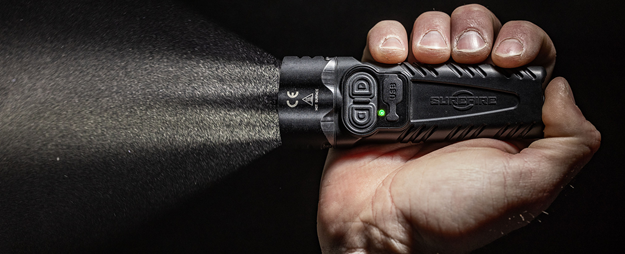
This blog post aims to delve into the intricacies of reasonable force in the context of self-defense. We will explore its general principles, the factors courts consider, the nuances of different legal doctrines like "Stand Your Ground" and the "Castle Doctrine," and the critical importance of imminence, necessity, and proportionality. It is vital to preface this discussion by stating that this article is for informational purposes only and does not constitute legal advice. Self-defense laws vary significantly by jurisdiction, and you should always consult with a qualified attorney in your area for advice specific to your situation.

What is "Reasonable Force" in Self-Defense?

At its core, reasonable force refers to the amount of force that an ordinary, prudent person would deem necessary under the same or similar circumstances to prevent harm from an aggressor. It’s not about an eye for an eye, but rather about using the minimal force required to neutralize an imminent threat. The key here is "reasonable." The law doesn't expect perfect judgment in a life-or-death situation, but it does expect a response that is proportionate to the threat faced.

SureFire Stiletto Pro II: Pocket-Sized Powerhouse That Sees Far and Wide

05/31/2025
by P. Birmingham

Stiletto Pro II Black FlashlightThe SureFire Stiletto Pro II aims to be the ultimate everyday carry (EDC) flashlight, blending a sleek, pocket-friendly design with serious illumination power. Building on the legacy of the Stiletto series, this upgraded model boasts increased candela for impressive throw, making it a compelling option for those who need to pierce the darkness at greater distances without sacrificing portability or situational awareness.

Overall Impression:

The Stiletto Pro II is a premium tactical and utility flashlight that successfully marries a discreet, comfortable design with robust performance. Its standout feature is the enhanced beam reach, coupled with a versatile set of outputs and intuitive controls, all housed in a durable, Mil-Spec body. It's clear SureFire designed this for users who demand reliability and high performance in a compact package.

Key Features & Performance:

  • Design and Ergonomics: True to its name, the Stiletto Pro II maintains the slim, flat profile that made the series popular. At 4.87 inches long and weighing 5.0 oz, it's designed to disappear in a pocket, much like a knife. The Melonite-coated, reversible spring steel pocket clip is a thoughtful touch, allowing for bezel-up or bezel-down carry according to user preference. This makes for a quick draw and activation, crucial in emergencies or for everyday tasks.

Byrna CL vs. LE: A Deep Dive into Less-Lethal Self-Defense

05/27/2025
by P. Birmingham

Bynra LE vs Byrna CLIn the evolving landscape of personal safety, less-lethal options have gained significant traction, offering individuals a powerful means of self-defense without the inherent risks of traditional firearms. Among the leaders in this space is Byrna Technologies, renowned for its innovative CO2-powered launchers. Two of their most prominent models, the Byrna CL (Compact Launcher) and the Byrna LE (Law Enforcement), often spark debate among potential users. While both are designed to deliver potent less-lethal defense, they cater to distinct preferences and scenarios. This comprehensive review will dissect the Byrna CL and LE, examining their features, performance, and ideal applications to help you make an informed decision.
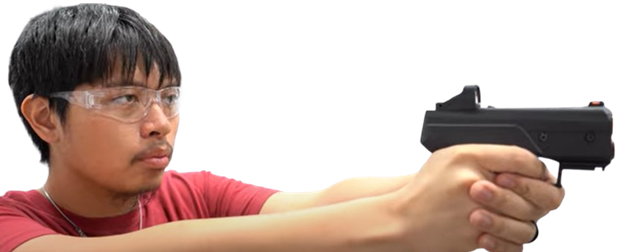
The Byrna Philosophy: Power Without Lethality

Before diving into the specifics of each model, it's essential to understand the core principle behind Byrna launchers. These devices are not firearms; they are powered by compressed CO2 cartridges and launch kinetic or chemical irritant projectiles. This design ensures they are legal to own in all 50 states (though some states may have restrictions on chemical irritant ammunition or CO2-powered weapons), and do not require permits or background checks in most areas. The key objective is to incapacitate a threat, allowing the user to escape or de-escalate, without resorting to deadly force. Byrna's patented "Pull-Pierce Technology" ensures that the CO2 cartridge remains unpunctured until the first trigger pull, meaning the launcher is always ready for immediate deployment without gas loss over time.

Introducing the Byrna CL: The Epitome of Concealability

The Byrna CL, or Compact Launcher, lives up to its name by prioritizing discretion and ease of carry. Marketed as Byrna's most concealable less-lethal launcher, the CL is engineered for everyday carry, offering a sleek, no-snag design.

A Review of the Red Dot Pro Sight for the Byrna CL

05/26/2025
by P. Birmingham

Man Holding Byrna CL Red Dot Pro SightThe Byrna Red Dot Pro Sight is a purpose-built optic designed exclusively for the Byrna CL Launcher. Tailored for non-lethal defense scenarios, this sight offers rapid target acquisition and enhanced accuracy, making it a valuable addition for both training and real-world use.

Key Features

Compact Reflex Design
With a 22x16mm optic window, the sight provides a clear field of view without adding unnecessary bulk to your launcher.

Motion-Activated Illumination
The sight powers on with movement, ensuring it’s ready when you are and conserving battery life when idle.

Parallax-Free Technology
Maintains point-of-aim accuracy regardless of your eye position—crucial for quick, accurate engagement.

Non-Lethal Defense: Empowering Personal Safety

05/24/2025
by P. Birmingham

woman jogging with pepper sprayA Morning Run, An Unforeseen Threat

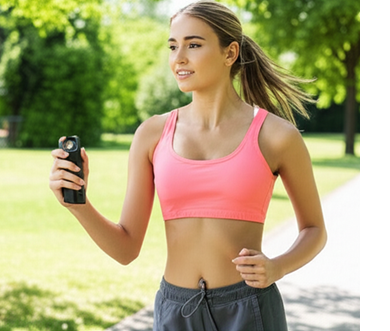
The crisp morning air, the rhythm of your feet hitting the pavement, the quiet solitude before the city fully awakens – these are the simple joys that draw countless individuals to early morning jogs in parks and along neighborhood streets. For a woman in Houston’s Memorial Park on the morning of February 7, 2024, this routine was brutally interrupted by the chilling reality of a physical assault. What could have been a devastating tragedy, however, was averted by the quick thinking and preparedness of the victim, who utilized a non-lethal self-defense tool – pepper spray – to fend off her attacker and escape unharmed.

This incident, though thankfully resulting in a positive outcome for the victim, sends a stark reminder about the potential dangers that can lurk even in seemingly safe environments. It also shines a critical light on the importance of personal safety measures and the role that non-lethal self-defense weapons can play in empowering individuals, particularly those who may be more vulnerable to attack. While the debate surrounding firearms and self-defense often dominates public discourse, the Houston case underscores the value and accessibility of less-lethal options for those seeking to protect themselves without resorting to deadly force.

The Houston Incident: A Case Study in Preparedness

The details of the Houston incident, as reported by KHOU 11, paint a terrifying picture. A woman, engaged in a routine morning jog, was suddenly grabbed from behind by an unknown male assailant. In that moment of sheer terror, her instincts and preparedness kicked in.

Review of the Bluetooth Smartphone Call Recorder

05/21/2025
by P. Birmingham

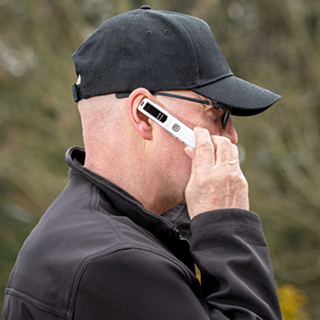
Smartphone Call Recorder In today’s world, where documentation is often the difference between clarity and confusion, having the right tools to record conversations securely and reliably can be a game-changer. Whether you’re a journalist, a business professional, a legal advocate, or simply someone who values accountability, a call recorder is no longer a luxury—it’s a necessity.

Enter the Pocket-Sized Smartphone Call Recorder with Time & Date Stamp—a compact, lightweight, and incredibly practical device designed to discreetly capture phone conversations and in-person discussions with professional-grade clarity. Boasting Bluetooth 3.0 connectivity, multi-mode functionality, and no-fuss operation, this little gadget might just be your new best friend in situations where memory or accountability matters most.

Let’s dive deep into the design, features, performance, usability, and real-world applications of this impressive tool.

Design & Build Quality

Right out of the box, the Pocket-Sized Smartphone Call Recorder impresses with its minimalist and sleek design. Measuring just 113 x 20 x 12 mm and weighing a mere 21 grams, this device lives up to its name—easily slipping into your pocket, bag, or even the palm of your hand without drawing attention.

The build feels solid despite its light weight. The buttons are tactile and clearly marked, offering easy navigation for playback and recording controls. The small onboard speaker is subtly integrated, and the USB port is concealed beneath a snug flap, maintaining a clean overall aesthetic. It's a device that doesn’t scream "recorder," which is perfect for discreet or professional environments.

The LED battery indicator is also a thoughtful addition. It provides a clear visual cue about your power status, so you're never caught off guard by a dead battery mid-conversation.

Comments

Very helpful articles.
Write a review


P. Birmingham - CEO & Founder of Stunster.com

About Author: P. Birmingham founded Stunster.com in 2007 and has nearly two decades of hands-on experience with non-lethal self-defense tools, including TASER® devices, stun guns, pepper sprays and pepper guns. He works directly with distributors to ensure products meet high standards of reliability and usability. His mission is to help everyday people understand personal defense technology and make confident, informed choices.

Signature