
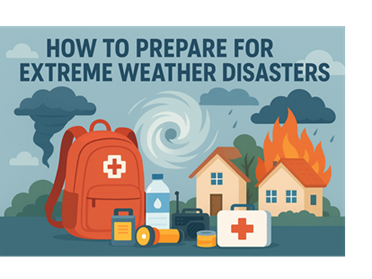
 Extreme weather disasters are becoming more frequent and more severe across the globe. From hurricanes and floods to wildfires, blizzards, and heatwaves, communities everywhere are at risk. While we cannot stop nature’s force, we can prepare ourselves, our families, and our communities to better withstand these unpredictable events. Preparedness can make the difference between safety and catastrophe.
 In 2025, scams have become more sophisticated and varied than ever. Advances in AI, social engineering, and tech-driven impersonations are forcing individuals and businesses alike to stay vigilant. Global losses to scammers reached over $1 trillion in 2024, highlighting the urgent need to stay informed.
 Non-lethal self-defense tools—
 In the world of crime investigation, few technologies have been as transformative as DNA analysis. Over the last few decades, DNA has moved from the realm of cutting-edge science into a mainstay of criminal justice, helping solve everything from recent assaults to decades-old cold cases. Whether it’s identifying a killer, exonerating the innocent, or linking crimes across jurisdictions, DNA evidence has reshaped how we pursue justice.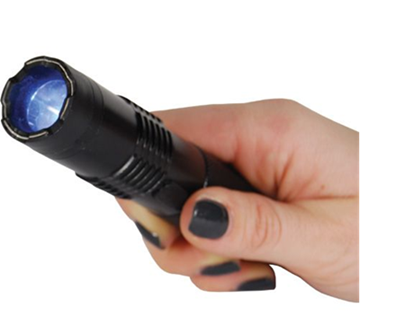
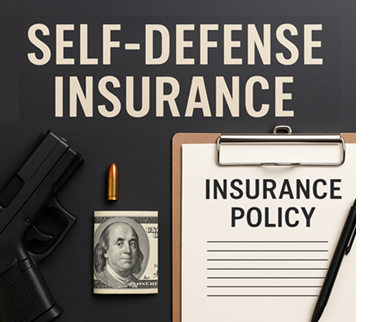 In the United States, where the right to self-defense is deeply ingrained in the cultural and legal fabric, a growing number of gun owners are turning to a controversial financial product known as self-defense insurance. Critics label it "murder insurance," a provocative term that raises fundamental questions about morality, legality, accountability, and the commercialization of violence. But what is self-defense insurance, why is it growing in popularity, and what are the broader implications for society? In this blog post, we take an in-depth look at this phenomenon—examining how it works, who’s buying it, what critics and advocates are saying, and what the future may hold.
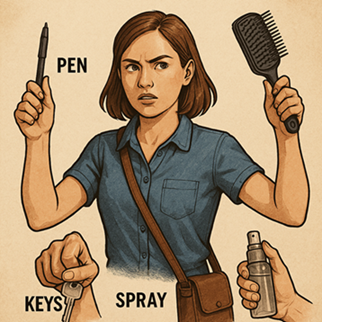 Self-defense is a crucial skill in today’s unpredictable world. While martial arts training and carrying dedicated self-defense tools like
 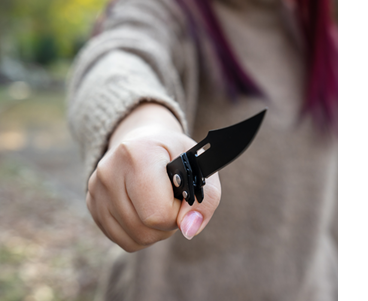 In a world where personal safety concerns are at an all-time high, many people seek ways to protect themselves from potential threats. Among the variety of self-defense tools available, some individuals consider carrying a
 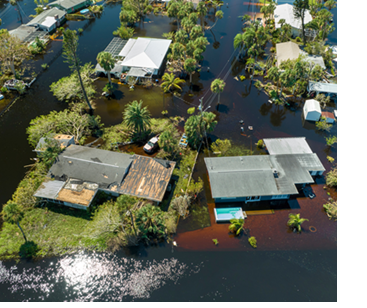 With the recent devastating floods across Texas, many people have been caught off guard and unprepared. Flooding is one of the most dangerous natural hazards in the U.S., and in moments of crisis, knowing what to do can mean the difference between life and death. Whether you're driving, sheltering at home, or outside in the elements, this comprehensive guide explains exactly what to do if you’re caught in a flood.
 When comparing global obesity rates, one glaring contrast stands out: Japan versus the United States. While Japan’s adult obesity rate hovers around 4.2%, America’s has skyrocketed to over 42%. That’s a tenfold difference, and it’s not due to genetics—Japanese people who adopt a Western lifestyle often gain weight too. So, what’s behind this dramatic health divide?
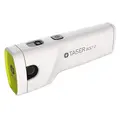
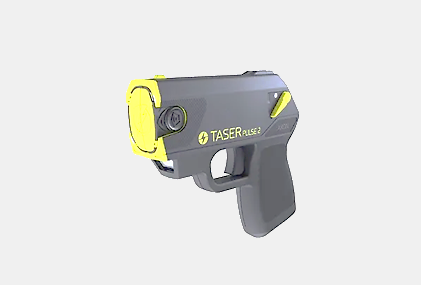
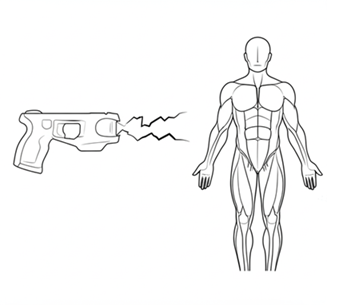 In recent years, personal safety tools have advanced significantly—from pepper sprays to sophisticated electroshock weapons. Among these, devices that use neuromuscular incapacitation (NMI) stand out for their unique ability to temporarily disable an assailant without causing lasting harm. Popularized through stun guns and conducted electrical weapons (CEWs) like
  Pepper spray
 As climate change accelerates, deadly heatwaves are becoming increasingly frequent and intense across the globe. In recent years, record-breaking temperatures have plagued cities not just in traditionally hot regions but in places previously considered temperate. From Phoenix to Paris, and from Atlanta to Athens, more people are falling victim to extreme heat than ever before.
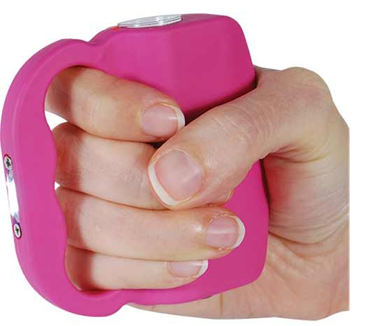 When it comes to personal safety, having a tool that is both effective and easy to carry can make all the difference. The
 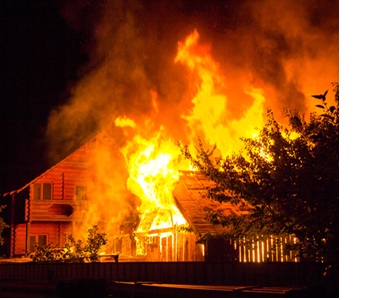 Throughout history, some of the world’s most devastating catastrophes were not caused by earthquakes, hurricanes, or tsunamis but by human hands. Human-made disasters can be sudden and shocking or build slowly over years, eventually erupting into tragedy. They can claim thousands of lives, destroy cities, destabilize economies, and leave lasting scars on society.
 In a world where scammers constantly evolve their tactics, anyone, regardless of age, education, or financial status, can fall victim to a con artist. These deceptive individuals are masters at gaining trust, manipulating emotions, and exploiting vulnerabilities to achieve one goal: to separate you from your money, assets, or even your identity.
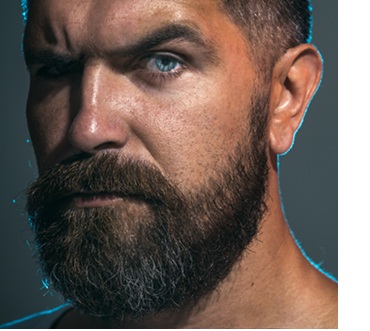 In an ideal world, we would be able to trust everyone we meet. Unfortunately, the reality is that dangerous people exist, and being able to spot them can be the difference between safety and harm. Dangerous individuals aren’t always easy to identify at first glance. They can appear charming, friendly, and seemingly harmless, which makes it even more important to understand the subtle signs and behavioral patterns that can reveal their true intentions.
 Carrying
 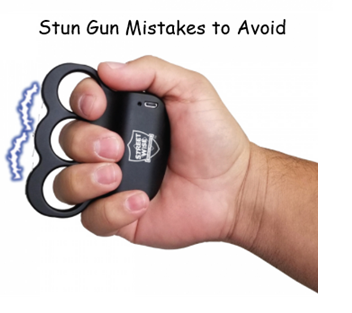 Carrying a
  Safety and self-defense are fundamental rights that should be accessible to everyone—regardless of physical, sensory, or cognitive abilities. Unfortunately, disabled individuals often face greater threats, including a higher risk of assault, theft, abuse, and exploitation. These dangers aren't just theoretical; statistics consistently show that people with disabilities experience crime at higher rates than the general population.
 Travel is one of life’s greatest joys, offering unforgettable experiences, new cultures, and stunning landscapes. However, not all destinations are created equal when it comes to safety. Whether you're a solo traveler, planning a family vacation, or embarking on a romantic getaway, knowing where you’re safest (or most at risk) can shape your journey in powerful ways.
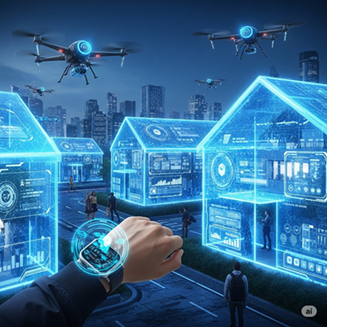 In a world where uncertainty can strike at any moment—from cyber threats to physical danger—technology is rapidly becoming one of our greatest allies in personal safety. Whether you’re at home, on the road, traveling solo, or just browsing online, modern tools and gadgets are doing more than ever to protect us from harm.
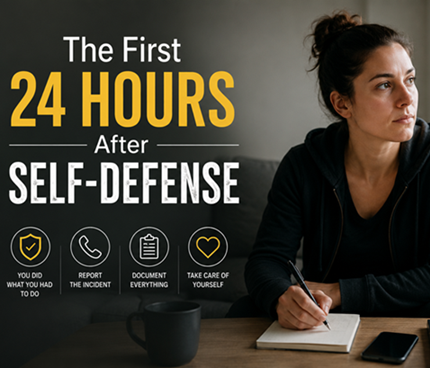
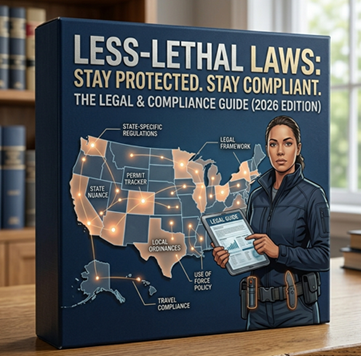
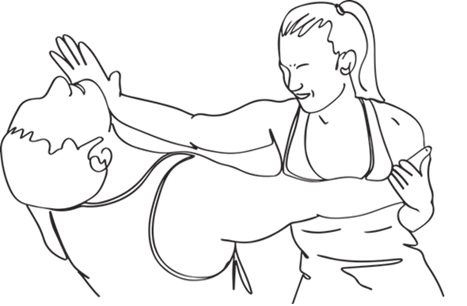 The instinct to protect oneself from harm is one of a human's most fundamental drives. When faced with a threat, the law in most jurisdictions, including the United States, recognizes the right of an individual to use force, even deadly force in some circumstances, to defend themselves or others. However, this right is not absolute. It is governed by a complex legal concept known as "reasonable force." Understanding what constitutes reasonable force is crucial, as the line between a justifiable act of self-defense and an illegal assault or homicide can be perilously thin.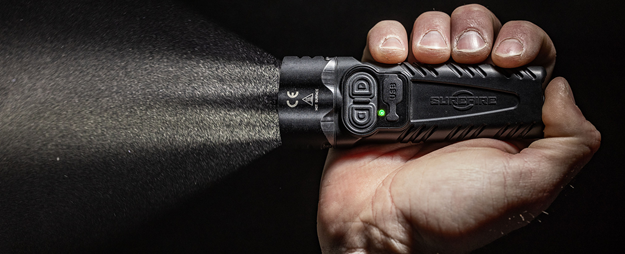
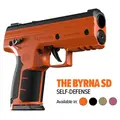
 In the evolving landscape of personal safety, less-lethal options have gained significant traction, offering individuals a powerful means of self-defense without the inherent risks of traditional firearms. Among the leaders in this space is Byrna Technologies, renowned for its innovative CO2-powered launchers. Two of their most prominent models, the
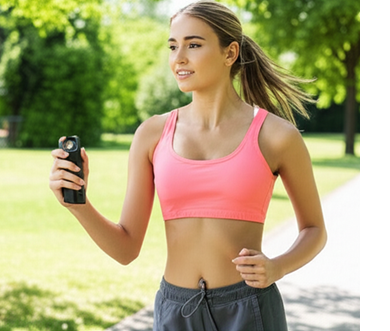 A Morning Run, An Unforeseen Threat

About Author: P. Birmingham founded Stunster.com in 2007 and has nearly two decades of hands-on experience with non-lethal self-defense tools, including TASER® devices, stun guns, pepper sprays and pepper guns. He works directly with distributors to ensure products meet high standards of reliability and usability. His mission is to help everyday people understand personal defense technology and make confident, informed choices.

RECENT BLOG POSTS
BEST SELLING STUN GUNS
BEST SELLING PEPPER SPRAYS
BEST SELLING TASERS & PEPPER GUNS