by P. Birmingham
 Personal safety is a fundamental concern for everyone, regardless of where you live or what you do. In today’s world, being prepared and aware of your surroundings can make all the difference in avoiding dangerous situations. Below are 10 essential personal safety tips that everyone should know to protect themselves and their loved ones.
1. Stay Aware of Your Surroundings
One of the most critical aspects of personal safety is situational awareness. Being mindful of what’s happening around you allows you to identify potential threats before they escalate.
Staying alert can help you make quick decisions and react appropriately to potential dangers.
2. Trust Your Instincts
Your gut feeling is a powerful tool when it comes to personal safety. If something doesn’t feel right, trust your instincts and take action to remove yourself from the situation.
Ignoring your instincts can lead to unnecessary risks, so always prioritize your safety over social niceties.
3. Keep Emergency Contacts Handy
Having quick access to emergency contacts can be lifesaving in critical situations. Make sure you have important numbers saved on your phone and written down in case your phone is unavailable.
Additionally, familiarize yourself with emergency contact apps that can send your location to designated individuals during an emergency.
4. Learn Basic Self-Defense
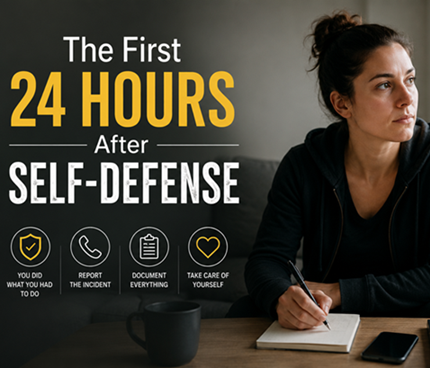
Knowing how to defend yourself can boost your confidence and provide a sense of security. Basic self-defense techniques are easy to learn and can be practiced regularly.
-
Self-Defense Tips:
-
Take a self-defense class in your area or online.
-
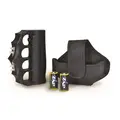
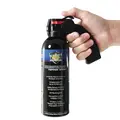
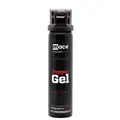
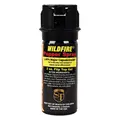
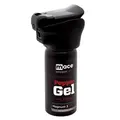
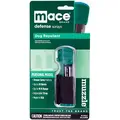
Learn how to use non-lethal devices like a steel baton, stun gun, taser, pepper spray, or personal alarm.
-
Focus on targeting vulnerable areas, such as the eyes, nose, and groin, if you need to defend yourself.
Remember, the goal of self-defense is to escape and get to safety, not to engage in a prolonged confrontation.
5. Stay Connected with Trusted People
Letting someone know your plans and whereabouts can be a crucial safety measure, especially if you’re traveling alone or meeting someone new.
-
How to Stay Connected:
-
Share your itinerary or location with a trusted friend or family member.
-
Use apps that allow real-time location sharing, such as Find My Friends or Google Maps.
-
Check in periodically to let others know you’re safe.
This habit ensures that someone can act quickly if they notice you haven’t checked in as expected.
6. Be Cautious with Personal Information
Protecting your personal information is critical to avoiding identity theft, scams, and other security risks.
By safeguarding your information, you reduce the likelihood of becoming a target for cybercriminals or scammers.
7. Plan Your Routes and Know Your Exits
Whether you’re walking, driving, or using public transportation, planning your route in advance can help you avoid unsafe areas and reduce the risk of getting lost.
-
Tips for Route Planning:
-
Use GPS or map apps to identify the safest and most efficient routes.
-
Avoid poorly lit or deserted areas, especially at night.
-
Familiarize yourself with emergency exits in buildings, public venues, and transportation hubs.
Knowing your routes and exits gives you a sense of control and ensures you can act quickly in an emergency.
8. Carry Personal Safety Devices
Personal safety devices, such as steel baton, stun gun, taser, pepper spray, or personal alarm can provide an added layer of protection.
Having a safety device can deter potential threats and give you the confidence to navigate challenging situations.
9.Be Mindful of Your Body Language
The way you carry yourself can influence how others perceive you. Confident body language can deter potential attackers by signaling that you’re alert and not an easy target.
Projecting confidence can reduce your chances of being targeted.
10. Know How to Call for Help
In an emergency, knowing how to call for help effectively can make a significant difference. Practice staying calm and providing clear information to responders.
Being prepared to call for help ensures you can get assistance quickly when you need it most.
Final Thoughts
Personal safety is about being proactive, prepared, and aware. By implementing these 10 essential tips, you can significantly reduce your risk of encountering dangerous situations and increase your confidence in navigating the world safely. Remember, safety is a lifelong practice that requires continuous learning and vigilance. Stay alert, trust your instincts, and take control of your personal security.