by P. Birmingham
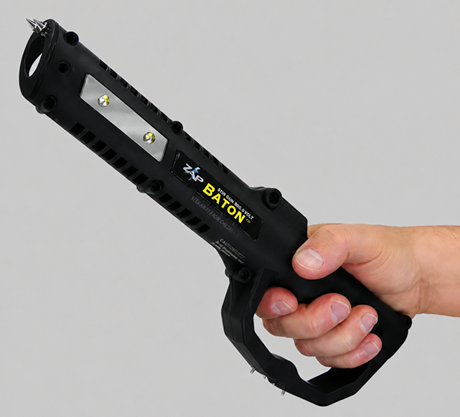
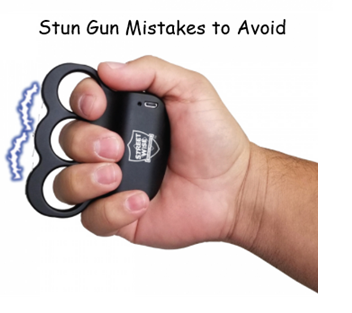 Carrying a stun gun can provide an invaluable sense of safety and security, especially for those who want a non-lethal method of self-defense. However, owning and carrying a stun gun comes with its own set of responsibilities and potential pitfalls. Misunderstanding how to properly use or carry a stun gun can not only render it ineffective in a critical moment but may also lead to legal or personal consequences.
In this comprehensive guide, we will explore the five most common mistakes people make when carrying a stun gun and, most importantly, how to avoid them. Whether you are new to self-defense tools or looking to refresh your knowledge, this article will equip you with the essential best practices to ensure you are protected, responsible, and confident.
Mistake 1: Not Knowing Local and State Laws
The Problem:
Many stun gun owners fail to research the legal requirements and restrictions surrounding stun gun possession and usage in their specific area. Laws regarding stun guns vary widely across cities, counties, and states. In some places, stun guns are prohibited altogether or require a permit.
Ignorance of the law is not a valid defense. Being caught with a stun gun in a restricted area can result in fines, confiscation, or even criminal charges.
How to Avoid It:
-
Research Thoroughly: Before purchasing or carrying a stun gun, check both state and local laws. Websites like Stunster.com often offer legal resources, but always verify with local law enforcement or legal counsel.
-
Understand Travel Restrictions: If you plan to travel across state lines, research stun gun laws in every state and city you will pass through. Airport security and some public transportation systems also have strict stun gun prohibitions.
-
Stay Updated: Laws can change. Make a habit of reviewing stun gun regulations periodically.
Key Tip: Keep a digital or printed copy of your local stun gun laws for quick reference.
Mistake 2: Carrying the Stun Gun Improperly
The Problem:
A common mistake is carrying a stun gun in a place that is difficult to access quickly. Some people store them in the bottom of their bags, glove compartments, or other hard-to-reach spots. In a real emergency, you may only have seconds to react. If your stun gun isn’t readily accessible, it might as well not be there.
Additionally, some individuals carry a stun gun in an unsafe manner that could lead to accidental discharge or damage to the device.
How to Avoid It:
-
Use Proper Holsters: Invest in a quality holster that allows quick draw access. Belt holsters, thigh holsters, or discreet purse compartments are excellent choices.
-
Practice Carrying: Make sure you can comfortably carry your stun gun in your preferred position and practice retrieving it under stress-free conditions until it becomes second nature.
-
Avoid Loose Carry: Never carry a stun gun loosely in a bag or pocket without a protective case or trigger guard. This can lead to accidental activation.
Key Tip: Consider your dominant hand and always carry the stun gun on that side for the fastest response.
Mistake 3: Inadequate Familiarity and Training
The Problem:
Many people purchase a stun gun and never take the time to fully understand how it operates. In a panic situation, you may forget how to turn it on, how to deploy it, or how to properly aim and make contact. Lack of training can make your self-defense tool ineffective, or worse, you may accidentally harm yourself.
How to Avoid It:
-
Read the Manual: It sounds simple, but thoroughly reading the instruction manual is critical. Learn about battery installation, safety switches, and effective targeting.
-
Regular Practice: Regularly test your stun gun (following safety precautions) to familiarize yourself with the sound, the button placement, and how it feels in your hand.
-
Scenario Training: Practice mock scenarios where you quickly draw and "engage" the stun gun. Muscle memory will help you stay calm and effective under stress.
-
Consider Self-Defense Classes: Some providers offer stun gun-specific self-defense training. These can help you develop effective techniques and confidence.
Key Tip: Test your stun gun at least monthly to ensure it is working properly and that you remain comfortable handling it.
Mistake 4: Poor Maintenance and Battery Neglect
The Problem:
Like all electronic devices, stun guns require proper maintenance to ensure functionality. A dead battery or corroded electrodes can render the device useless at the worst possible moment. Some users neglect routine checks and mistakenly assume the device will always work when needed.
How to Avoid It:
-
Check Battery Regularly: Depending on the model, this might mean recharging it periodically or replacing batteries. Always follow manufacturer guidelines.
-
Inspect Electrodes: Make sure the contact points are clean and free from debris or corrosion.
-
Test Firing: Conduct periodic test firings (in a safe, controlled manner) to ensure the stun gun is operating properly.
-
Store Safely: Keep your stun gun in a cool, dry place, away from moisture, extreme heat, or dust. Use a protective case when possible.
Key Tip: Set a calendar reminder to check your stun gun every 30 days to verify battery life and proper function.
Mistake 5: False Sense of Security and Lack of Situational Awareness
The Problem:
Some people falsely believe that simply owning or carrying a stun gun makes them automatically safe. This mindset can cause people to lower their guard, ignore situational awareness, or take unnecessary risks.
A stun gun is just a tool—it is most effective when paired with alertness, good judgment, and defensive strategy.
How to Avoid It:
-
Stay Alert: Always be aware of your surroundings, whether you are walking in a parking lot, commuting, or at home. Prevention is your first line of defense.
-
Keep Distance: Try to avoid situations where you could become an easy target. Trust your instincts.
-
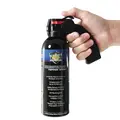
Have a Backup Plan: What if your stun gun fails? Think through secondary actions like using your voice to attract attention, running to safety, or carrying additional self-defense tools like pepper spray.
-
Don’t Flash the Stun Gun: Avoid showing off your stun gun or relying on it to intimidate. This can escalate a situation or give an attacker time to strategize against you.
Key Tip: Carrying a stun gun should complement—not replace—personal safety practices like planning safe routes, traveling in groups when possible, and staying off your phone in public spaces.
Additional Tips for Safe and Effective Stun Gun Carry
-
Know the Device's Range: Stun guns require close contact with the assailant to be effective. Understand the limitations of your device compared to a taser which can project electrodes from a distance.
-
Discreet Carry is Best: A stun gun that is easy to conceal but quick to deploy reduces the chance of it being taken away by an assailant.
-
Legal Self-Defense Only: Never use a stun gun to threaten, intimidate, or harm someone unless you are in immediate danger. Misuse can result in serious legal consequences.
-
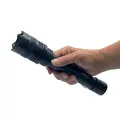
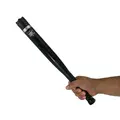
Have Quick Deployment Methods: Consider stun guns that double as everyday items like flashlights for faster access.
-
Teach Family Members: If others in your household might need to use the stun gun, ensure they are educated and trained on its safe operation.
Conclusion
Carrying a stun gun can greatly enhance your personal security, but only if you understand how to carry, maintain, and use it correctly. The most common mistakes—such as ignoring local laws, carrying improperly, failing to train, neglecting maintenance, and developing a false sense of security—can all be easily avoided with preparation and responsible ownership.
Remember, a stun gun is a powerful defensive tool, but it is only as effective as the person using it. Stay educated, stay aware, and stay safe.
Disclaimer: This article is for informational purposes only and does not constitute legal advice. Always verify local laws and consult appropriate authorities regarding stun gun ownership and usage in your area.
See cost of stun guns