by P. Birmingham
 Carrying pepper spray can be a simple, cost-effective way to enhance your personal safety. Whether you're walking to your car at night, jogging alone, or just navigating the unpredictability of daily life, pepper spray can offer a valuable layer of protection. However, like any self-defense tool, it’s only effective when carried and used correctly. Many people purchase pepper spray and feel safer immediately—but without proper training or understanding, they may make critical mistakes that could leave them vulnerable in a dangerous situation.
In this comprehensive guide, we’ll walk you through five common mistakes people make when carrying pepper spray—and how you can avoid them. Learning to recognize and correct these errors will help ensure that you can rely on your pepper spray when you need it most.
Mistake #1: Not Practicing How to Use It
Why It’s a Problem:
Buying pepper spray and assuming you’ll instinctively know how to use it during a high-stress encounter is a dangerous gamble. The body responds to fear and adrenaline in surprising ways—your fine motor skills diminish, your heart rate accelerates, and decision-making becomes impaired. Without practice, you may freeze, fumble, or even accidentally spray yourself.
Real-World Example:
Imagine you’re approached aggressively in a parking garage. You reach for your pepper spray, but in the heat of the moment, you can't figure out how to disengage the safety cap, or you hold it backward and accidentally spray your own hand. This could escalate your vulnerability rather than improve your safety.
How to Avoid It:
-
Practice regularly. Familiarize yourself with how to draw, aim, and deploy the pepper spray in a controlled setting.
-
Buy an inert practice canister. These are available from most self-defense brands and contain no active chemical—just a harmless propellant that allows you to simulate real usage.
-
Drill under pressure. Have a friend simulate a fast-approaching threat so you can practice pulling your spray quickly and using it accurately while stressed.
Mistake #2: Carrying It Out of Reach
Why It’s a Problem:
Pepper spray doesn’t help you if it’s buried in the bottom of your purse, zipped inside a backpack, or left in your car. An attacker won’t give you the time to dig for your self-defense tool. Seconds count in a dangerous situation, and those seconds can be the difference between escaping safely or becoming a victim.
Real-World Example:
You’re out for an evening run with your pepper spray tucked in a running pouch behind you. A threatening individual suddenly blocks your path. By the time you fumble to unzip your pouch and retrieve the spray, your opportunity to defend yourself may already be gone.
How to Avoid It:
-
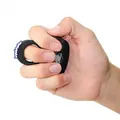
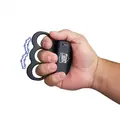
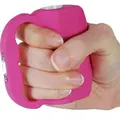
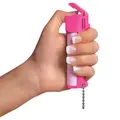
Carry it in your hand when walking in potentially unsafe areas. Many pepper sprays are small and ergonomically designed for this.
-
Attach it to a keychain with quick-release capability so it’s easily accessible at a moment’s notice.
-
Use a hand strap or clip when exercising outdoors, so the spray is always in immediate reach.
-
Develop a habit of scanning your environment and having your hand on the spray when you feel even slightly uneasy.
Mistake #3: Misunderstanding the Spray Range and Conditions
Why It’s a Problem:
Many people overestimate how far pepper spray can reach or don’t realize that environmental factors can render it ineffective—or even dangerous to the user. Wind, rain, and tight indoor spaces can cause the spray to blow back or contaminate you instead of stopping your attacker.
Real-World Example:
You're in a parking lot on a windy day and attempt to spray an aggressive person several feet away. The wind catches the spray and blows it back into your face, temporarily incapacitating you instead of the attacker.
How to Avoid It:
-
Know your spray pattern and effective range. Some pepper sprays use a stream (which is more wind-resistant but requires better aim), while others use a fog or cone spray (which covers a wider area but is more affected by wind).
-
Check the label to determine the effective distance—most are between 6 to 12 feet.
-
Position yourself with the wind at your back if possible.
-
Learn to adjust tactics. In enclosed areas like elevators or hallways, spraying may not be the safest option; consider retreating or using alternative self-defense methods.
Mistake #4: Ignoring Local Laws and Restrictions
Why It’s a Problem:
Pepper spray is legal in most states, but there are variations in size limits, formulation strength, and where you can carry it. Carrying pepper spray illegally could result in fines, confiscation, or worse—criminal charges.
Real-World Example:
You’re traveling to a different state and bring your standard pepper spray canister in your purse, not realizing that the state has a size limit of 2 ounces or less. If stopped by airport security or a police officer, you may face legal consequences.
How to Avoid It:
-
Research local laws before purchasing or carrying pepper spray. Some states (like New York, Massachusetts, and California) have specific restrictions.
-
Check airline and international travel rules. Pepper spray is generally prohibited in carry-on luggage and may be illegal in other countries.
-
Purchase from reputable sources that can guide you on local compliance.
-
Consider self-defense keychains, alarms, or other legal alternatives if pepper spray is heavily restricted in your area.
Mistake #5: Assuming Pepper Spray Is a Magic Solution
Why It’s a Problem:
Some people develop a false sense of security just by carrying pepper spray. They may stop practicing situational awareness, thinking that their spray alone will protect them. Others believe that spraying an attacker guarantees they will immediately stop, but this isn’t always the case.
Pepper spray is a deterrent—it can buy you precious time to escape—but it doesn’t incapacitate every attacker instantly, especially those under the influence of drugs or adrenaline.
Real-World Example:
A woman walking home at night is so focused on texting that she doesn’t notice someone following her. She assumes she can rely on her pepper spray if anything happens. When she is suddenly grabbed from behind, she isn’t mentally or physically prepared to react quickly enough.
How to Avoid It:
-
Always maintain situational awareness. Self-defense tools are only effective when paired with alertness and proactive behaviors.
-
Take a self-defense class. This builds confidence and provides techniques to supplement pepper spray.
-
Have an escape plan. Even if your pepper spray works perfectly, your next priority should be to escape and call for help immediately.
-
Understand the limits. Pepper spray is a valuable tool, but no device can fully guarantee your safety—your mindset and preparedness matter most.
Bonus Tips for Safe and Effective Pepper Spray Use
1. Replace Expired Canisters
Pepper spray loses potency over time, typically within 2 to 4 years. Check the expiration date and replace old canisters to ensure maximum effectiveness.
2. Test Your Spray Periodically
Do a brief, controlled test spray outdoors to ensure the nozzle isn’t clogged and the spray pattern functions properly.
3. Secure It from Children
Pepper spray should be treated with the same level of care as other potentially dangerous substances. Store it safely out of reach of children when not in use.
4. Stay Updated with Training Videos
Many manufacturers and self-defense experts offer free tutorials online. Refresh your knowledge periodically to keep skills sharp.
5. Carry a Backup
Consider carrying a second canister, especially if you exercise outdoors often or travel frequently. Having a backup increases your chances of having your spray ready in different environments.
Conclusion
Pepper spray is an excellent non-lethal self-defense option, but like any tool, it’s only as effective as the person using it. Many people unknowingly make mistakes that reduce the reliability of their pepper spray or give them a false sense of security.
By practicing regularly, carrying it accessibly, understanding the spray’s limitations, staying within the law, and maintaining situational awareness, you can drastically improve your odds of defending yourself effectively.
Remember: Pepper spray is a tool—not a shield. It’s meant to complement smart safety habits, not replace them.
When used correctly, pepper spray can give you the precious time you need to escape and protect yourself from harm. Invest in training, know your tool, and always prioritize your personal safety.
See cost of pepper sprays