by P. Birmingham
 Personal safety is often associated with situational awareness, self-defense tools, and security strategies. However, one of the most overlooked aspects of personal safety is an individual's health. Your physical fitness, mental well-being, and overall health play a crucial role in ensuring you can protect yourself from potential threats, handle emergencies effectively, and lead a secure life. In this article, we’ll explore how different aspects of health contribute to personal safety and provide tips on improving both to enhance overall security.
1. Physical Fitness and Personal Safety
A. Strength and Endurance in Self-Defense
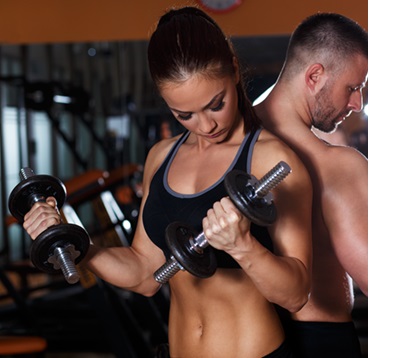
Being in good physical shape significantly enhances your ability to defend yourself in dangerous situations. Strength, endurance, and agility can make the difference between escaping an attack and falling victim to one. If you find yourself in a confrontation, the ability to run, fight back, or withstand physical stress can be lifesaving.
- Strength: Stronger muscles improve your ability to push away an attacker, break free from holds, or deliver effective strikes.
- Endurance: If you need to flee a dangerous situation, good cardiovascular health ensures you can run for an extended period without collapsing from exhaustion.
- Agility: Quick reflexes and flexibility help you dodge attacks or move swiftly in an emergency.
B. Balance and Coordination for Injury Prevention
Accidents such as falls can be just as dangerous as criminal attacks. Maintaining strong balance and coordination through exercises like yoga, Pilates, or core workouts can reduce the likelihood of tripping, slipping, or falling in high-risk situations.
C. Reaction Time and Reflexes
Quick reflexes can help you avoid an oncoming attack, dodge a vehicle, or respond promptly to sudden dangers. Regular exercise and activities like martial arts, boxing, or agility training enhance reaction times, making it easier to stay safe.
2. Mental Health and Situational Awareness
A. The Role of Mental Clarity in Awareness
Situational awareness is one of the most critical elements of personal safety. If you are distracted, anxious, or fatigued, your ability to assess and react to threats is compromised. Good mental health ensures:
- Better focus on your surroundings
- Quicker decision-making
- Reduced likelihood of being an easy target
B. Managing Stress and Anxiety in Dangerous Situations
High-stress levels can cloud judgment, leading to poor decision-making in critical situations. Chronic stress and anxiety can lead to a “freeze” response rather than a “fight-or-flight” reaction, making you more vulnerable.
- Breathing techniques such as box breathing or the 4-7-8 method can help keep you calm in high-stress situations.
- Mindfulness and meditation improve mental resilience, allowing for better focus in emergencies.
- Regular exercise and a balanced diet help regulate stress hormones like cortisol.
C. The Impact of Sleep on Safety
Sleep deprivation impairs cognitive function, reaction time, and judgment. If you are exhausted, you are more likely to overlook danger, react slowly, or make critical errors. Prioritizing good sleep hygiene enhances overall awareness and alertness.
3. Nutrition and Hydration for Peak Performance
A. Energy Levels and Strength
What you eat directly impacts your ability to function optimally. Proper nutrition provides the energy required to stay alert, react quickly, and maintain physical endurance.
- Protein for muscle strength and repair.
- Complex carbohydrates for sustained energy.
- Healthy fats for cognitive function.
B. Hydration and Cognitive Performance
Dehydration can cause dizziness, confusion, and weakness, all of which impair your ability to respond effectively in an emergency. Ensuring you drink enough water daily helps maintain focus and physical performance.
4. Preventing and Managing Chronic Conditions
A. Mobility Issues and Physical Limitations
If you suffer from chronic pain, arthritis, or mobility issues, your ability to escape danger or defend yourself may be limited. Managing these conditions through physical therapy, medication, and lifestyle changes can enhance mobility and safety.
B. Heart Health and Emergency Response
Cardiovascular disease can make it difficult to handle physically demanding situations. A strong heart ensures you can run, fight, and handle stress without risking a medical emergency in a dangerous situation.
C. Diabetes and Blood Sugar Control
Low blood sugar can cause dizziness, confusion, and fainting, increasing vulnerability. Keeping blood sugar levels stable through a well-managed diet and regular meals ensures you remain alert and capable of responding to threats.
5. The Link Between Substance Use and Safety
A. Alcohol and Impaired Judgment
Alcohol consumption impairs coordination, reaction time, and decision-making skills. Being intoxicated increases vulnerability to accidents, assaults, and poor decision-making in threatening situations.
B. Drugs and Cognitive Impairment
Certain drugs, whether prescription or recreational, can affect judgment and physical coordination. Avoiding substances that impair cognitive function ensures you remain in control of your safety.
C. Smoking and Reduced Stamina
Smoking affects lung capacity and endurance, making it harder to escape dangerous situations that require physical exertion. Quitting smoking improves overall health and ability to react to emergencies.
6. Emergency Preparedness and First Aid Skills
A. Basic First Aid Knowledge
Understanding basic first aid can save your life or someone else’s in an emergency. Knowing how to treat wounds, perform CPR, or handle a choking situation can be just as important as physical defense skills.
B. Carrying Essential Medical Supplies
Having a small first aid kit with bandages, antiseptics, and necessary medications can prevent minor injuries from becoming severe. For individuals with conditions like asthma or severe allergies, carrying an inhaler or EpiPen is crucial.
C. Knowing Your Medical Limits
Understanding your own medical conditions and how they might impact your safety is essential. If you have heart disease, asthma, or another health issue, being aware of your physical limits allows for better planning in dangerous situations.
Conclusion: Prioritize Health to Enhance Safety
Your personal safety isn’t just about external threats—it starts with maintaining your health. By focusing on physical fitness, mental clarity, nutrition, and disease prevention, you improve your ability to respond effectively to emergencies. Incorporating self-care routines, regular exercise, and a balanced diet ensures that your body and mind remain in top condition, keeping you prepared for any situation.
Investing in your health is investing in your security. Take the necessary steps today to build a stronger, safer, and healthier future for yourself.