by P. Birmingham
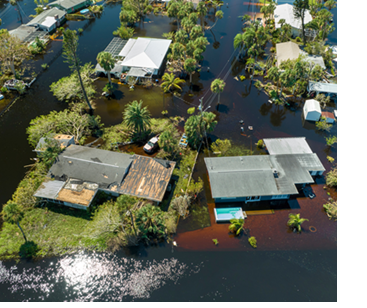 With the recent devastating floods across Texas, many people have been caught off guard and unprepared. Flooding is one of the most dangerous natural hazards in the U.S., and in moments of crisis, knowing what to do can mean the difference between life and death. Whether you're driving, sheltering at home, or outside in the elements, this comprehensive guide explains exactly what to do if you’re caught in a flood.
Understanding Flood Risks
Floods can happen with little warning—especially flash floods. The leading causes include:
In Texas, recent flooding has overwhelmed roadways, swept away vehicles, and forced thousands to evacuate their homes. The danger is very real, and unfortunately, many underestimate it.
Fact: Just 6 inches of water can cause a vehicle to lose control. 2 feet of rushing water can carry away most cars—including trucks and SUVs.
What to Do if You're in a Car During a Flood
Driving during a flood is extremely dangerous, but if you’re caught in your vehicle during a rising flood, here’s how to respond.
1. Avoid Driving Into Floodwater—Turn Around, Don’t Drown
Before we dive into emergency steps, remember the golden rule: never drive into flooded areas. The water may be deeper than it appears, and roads may be washed out beneath.
2. If You Encounter Water on the Road: Stop Immediately
-
Do not attempt to gauge the depth.
-
Turn around and find an alternate route.
-
If water is rising fast, pull over and get to higher ground on foot if possible.
3. If Water Is Entering Your Car: Act Fast
-
Remove your seatbelt, but keep your windows closed until water stabilizes outside.
-
Once water pressure equalizes, roll down or break a window (use a window-breaking tool or elbow).
-
Climb out through the window and get on the roof.
-
Do not open the door—this can cause the car to fill rapidly and sweep you out.
4. If Swept Away in a Car
-
Stay calm and try to orient yourself.
-
Once the car settles (or stops), exit and move to the roof.
-
Signal for help by waving brightly colored items or your arms.
5. What If You’re Trapped and Can’t Open the Window?
-
Use a glass-breaking tool (always keep one in your glove box or center console).
-
Target the corner of the window, not the center.
-
Once broken, climb out and get to high ground.
What to Do if You're at Home or in a Building
Flooding in homes and buildings can be slow-rising or sudden, but preparation and quick action are key.
1. Before the Water Reaches You
-
Move to higher floors—do not stay in a basement or ground-level room.
-
Shut off gas and electricity if you can safely do so.
-
Gather emergency supplies: flashlight, radio, water, medications, documents.
-
Use sandbags, towels, or flood barriers at doors if time allows.
2. Stay Informed
3. If Water Is Entering the Home
-
Move to the highest interior room or attic—but not the roof unless you need to be rescued.
-
Bring your emergency kit, communication device, and water.
-
Do not enter floodwater inside the home—it may contain sewage, debris, or electricity.
4. If You Must Evacuate Indoors
-
Only move if told to evacuate or if water threatens your safety.
-
Use stairs, not elevators.
-
Stay away from windows and glass doors.
5. Don’t Go to the Attic Without a Way Out
-
Many people drown in attics because they cannot escape.
-
If you go to the attic, bring tools or something to break through the roof if needed.
What to Do if You're Outside
Caught in the open during a flood? You’ll need to act fast and smart.
1. Get to Higher Ground Immediately
-
Move away from rivers, creeks, drains, and low-lying areas.
-
Climb a hill, embankment, or nearby building if possible.
2. Avoid Floodwater at All Costs
3. If Swept Away
4. If You See Others in Danger
-
Do not attempt a rescue yourself—call 911.
-
If you must help, use a rope, stick, or flotation device to extend from dry ground.
What Not to Do During a Flood
Avoid these common mistakes—they could cost you your life:
-
Don’t walk, swim, or drive through floodwater.
-
Don’t touch electrical equipment if you’re wet or standing in water.
-
Don’t assume shallow water is safe.
-
Don’t wait too long to evacuate if authorities instruct you to go.
-
Don’t enter areas blocked off by emergency personnel.
Emergency Flood Kit Essentials
Always be prepared with a flood emergency kit. Here’s what it should include:
Basic Supplies
-
Water (1 gallon per person per day)
-
Non-perishable food
-
Flashlight & extra batteries
-
First-aid kit
-
Whistle (to signal for help)
-
Local maps
Safety & Survival
-
Multi-tool or knife
-
Waterproof flashlight or headlamp
-
Dust masks
-
Extra cell phone battery or power bank
-
Waterproof bags for documents
Documents
-
IDs, insurance cards, titles, birth certificates
-
Emergency contact numbers
-
Medical info (allergies, prescriptions)
Special Items
After the Flood: Safety Tips
Even once the floodwaters recede, hazards remain.
1. Stay Out of Flooded Buildings
2. Avoid Standing Water
3. Document Damage
4. Check for Gas Leaks
5. Disinfect Thoroughly
-
Everything floodwater touched needs to be cleaned.
-
Use gloves, masks, and disinfectant.
6. Watch for Mold
Final Thoughts
Floods can escalate from inconvenience to catastrophe in a matter of minutes. In recent weeks, Texas residents have witnessed firsthand the destructive power of flash flooding—entire communities submerged, roadways impassable, and lives upended.
The key to survival is preparation and action.
Whether you’re behind the wheel, inside your home, or outdoors, having a plan can save your life.
Don’t assume you’re safe just because it’s not raining where you are. Water moves—and it doesn’t care if you’re ready or not.
So prepare your home, pack an emergency kit, and above all, remember: Turn Around, Don’t Drown.
Stay safe. Stay alert. And always respect the water.