by P. Birmingham
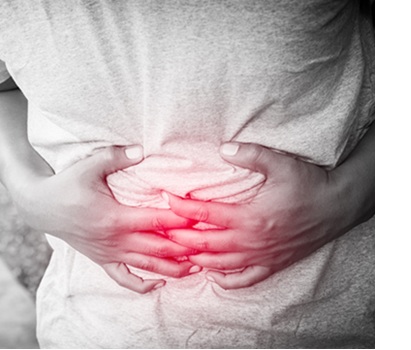 Food poisoning affects millions of people every year. From mild stomach cramps to severe dehydration and hospitalization, foodborne illnesses can strike unexpectedly. The worst part? Most cases are entirely preventable. In this comprehensive guide, we’ll break down the most common ways people get food poisoning and share practical tips so you can protect yourself and your family.
1. Improper Food Storage
When perishable foods are not stored at the correct temperature, bacteria like Salmonella and E. coli can quickly multiply.
Prevention Tips:
-
Keep your fridge at 40°F (4°C) or lower.
-
Refrigerate leftovers within 2 hours (1 hour if over 90°F/32°C).
-
Store raw meats on the bottom shelf to avoid drips.
2. Eating Undercooked Meat, Poultry, or Seafood
Raw or undercooked animal products can carry dangerous bacteria or parasites.
Safe Cooking Temperatures:
-
Poultry: 165°F (74°C)
-
Ground meats: 160°F (71°C)
-
Steaks, roasts: 145°F (63°C) with rest
-
Fish: 145°F (63°C) or until flaky and opaque
Pro Tip: Always use a meat thermometer—don’t guess!
3. Not Washing Fruits and Vegetables
Even produce can carry pathogens from contaminated soil or water.
How to Stay Safe:
-
Rinse all produce under running water before eating or cooking.
-
Use a produce brush for firm veggies like cucumbers.
-
Dry with a clean cloth or paper towel.
4. Cross-Contamination
Bacteria from raw meat can spread to cutting boards, utensils, and ready-to-eat foods.
Avoid It By:
-
Using separate cutting boards for meats and vegetables.
-
Washing hands and surfaces thoroughly with hot, soapy water.
-
Never placing cooked food on plates that held raw food.
5. Poor Hand Hygiene
Your hands can easily transfer bacteria to food.
Prevention Tips:
-
Wash hands with soap and warm water for at least 20 seconds.
-
Clean hands before and after handling food, using the bathroom, or touching pets.
6. Contaminated Water or Ice
In some regions or travel destinations, water can be a hidden risk.
How to Protect Yourself:
-
Drink bottled or boiled water.
-
Avoid ice if the water source is questionable.
-
Wash produce in safe water only.
7. Eating Expired Food
Just because it’s in the fridge doesn’t mean it’s safe.
Key Guidelines:
-
Don’t rely solely on “best by” or “sell by” dates—trust your senses.
-
If it smells, looks, or feels off, toss it.
-
Label leftovers with the date stored and consume within 3–4 days.
8. Potlucks, Picnics & Buffets
Food left out at room temperature too long can become a bacterial playground.
Play It Safe:
-
Keep hot food above 140°F (60°C), cold food below 40°F (4°C).
-
Use chafing dishes, warming trays, and ice packs.
-
Discard food left out for over 2 hours (or 1 hour if it’s hot outside).
9. Raw Eggs and Products That Contain Them
Uncooked eggs can harbor Salmonella.
How to Stay Safe:
-
Use pasteurized eggs for homemade sauces, dressings, or raw cookie dough.
-
Cook eggs until both the white and yolk are firm.
10. Unsafe Home Canning or Preserving
Incorrect canning can cause botulism, a potentially deadly illness.
Smart Canning Practices:
-
Use a pressure canner for low-acid foods.
-
Always follow USDA or university extension recipes.
-
Discard jars that are unsealed, bubbling, or smell bad.
11. Risky Street Food or Sketchy Vendors
Food from unsanitary vendors can be a health hazard.
Choose Wisely:
-
Observe if vendors use gloves, clean tools, and fresh ingredients.
-
Choose items that are cooked to order and served hot.
-
Avoid pre-cut fruits or uncovered foods.
12. Improper Thawing Techniques
Thawing meat on the counter allows bacteria to multiply fast.
Safe Thawing Options:
13. Ignoring Food Recalls
Sometimes contaminated products are sold before the issue is discovered.
Stay Informed:
-
Sign up for FDA or USDA recall alerts.
-
Search recall notices online before using packaged foods.
-
Return or dispose of recalled products immediately.
14. Reheating Leftovers the Wrong Way
Microwaves can heat food unevenly, leaving cold spots full of bacteria.
Reheat Right:
-
Bring leftovers to an internal temp of 165°F (74°C).
-
Stir midway through reheating.
-
Use a food thermometer for casseroles or thick dishes.
15. Eating Raw Sprouts
Sprouts grow in warm, moist environments that are ideal for bacteria like E. coli and Salmonella.
Play It Safe:
-
Cook sprouts before eating.
-
Avoid raw sprouts if you're pregnant, elderly, or immunocompromised.
Conclusion: Eat Smart, Stay Safe
Food poisoning may be common, but it doesn’t have to be. With a little knowledge and a few simple habits, you can drastically reduce your risk of foodborne illness. Whether you’re cooking at home, dining out, or traveling, keeping food safety in mind is a small effort that can have big health benefits.
Quick Recap: How to Avoid Food Poisoning
- Store food at proper temperatures
- Use a meat thermometer
- Wash produce thoroughly
- Don’t cross-contaminate
- Practice good hand hygiene
- Stay informed about recalls
- Reheat leftovers properly