05/18/2024
by P. Birmingham
 There is a persistent belief among some segments of the population that owning a gun makes you safer. Proponents of this view argue that having a firearm allows you to defend yourself against threats and deter would-be criminals. They point to cases where armed civilians have stopped mass shootings or protected themselves during home invasions as justification for widespread gun ownership.However, an objective look at the evidence shows that the opposite is true - having guns puts you and your loved ones at significantly greater risk of death and injury. When you cut through the rhetoric and examine the data, it becomes clear that the idea that guns make us safer is simply a myth not supported by facts.
Accidental Shootings
One major way that guns increase danger is through accidental shootings and firearms mishaps. Whenever a gun is brought into a home, it raises the risk that the weapon could go off unintentionally and harm someone, especially a child. Kids are naturally curious and can find ways to access guns that owners thought were securely stored.Tragically, hundreds of people are killed each year in the United States due to unintentional shootings - many of them children who found an unsecured firearm. Having a gun in the home makes these terrible outcomes much more likely to occur. Even a highly trained gun owner can have a momentary lapse that leads to a life-altering accident.
Risk of Suicide
Another factor often overlooked is how access to firearms increases suicide risk. Suicide attempts with guns are much more likely to be fatal compared to other methods. Around two-thirds of gun deaths in America each year are suicides. When a gun is available, those in crisis have a significantly higher chance of completing an attempt in a moment of transient despair. Without such an effective means, many of those people would have gotten through their crisis and found reasons to go on living. Removing firearms from the home helps reduce access to a very lethal method during moments of suicidal ideation.
Guns in the Home & Domestic Violence
Unfortunately, the presence of firearms in domestic violence situations makes non-fatal incidents much more likely to turn deadly. When abusers have access to guns, their victims are five times more likely to be killed. Over half of all intimate partner homicides in the U.S. involve guns.Even if the abuser doesn't intend to use the gun, the combination of rage and access to such an effective killing tool creates an extremely perilous scenario. In these highly charged emotional situations, the typical cool-headed judgment about guns often goes out the window.
Defensive Gun Use Statistics
Despite stories of armed civilians stopping criminals that get widespread media attention, the data shows that defensive gun use is extremely rare. Reliable estimates indicate that firearms are used defensively only about 100,000 times per year by civilians. In the overwhelming majority of those cases, the gun is never fired.To put that number in context, around 400 million guns are owned by civilians and there are over 1 million home burglaries each year in the United States. The chances of being able to use a gun to stop a crime are extremely low.Moreover, simply brandishing or firing a gun during a crime often doesn't cause perpetrators to flee - they frequently get more aggressive. Many criminals have their guns and aren't easily deterred. Studies have found that having a firearm is ineffective in preventing violence or property loss during crimes.
Risks Outweigh Benefits
When all the data is analyzed together, the picture becomes clear - the risks of having a gun for self-defense greatly outweigh the benefits. For every criminal stopped by an armed civilian, there are many more gun injuries and deaths within those homes from accidents, suicide, and domestic violence situations.A gun in the home is far more likely to be involved in an unintentional shooting, impulsive act of violence, or self-harm than it is to ever be used in a defensive situation. That is why research consistently shows that having access to firearms significantly increases one's risk of becoming a victim of fatal violence.Responsible gun owners who invest heavily in training, secure storage, and other safety measures can mitigate some of the risks. But the data indicates that even for those taking precautions, gun ownership remains a major danger to themselves and their household.
Mass Shootings
Perhaps most crucially, the widespread proliferation of firearms is a key factor enabling the epidemic of mass shootings plaguing the United States. While mass killings can potentially occur with other weapons like vehicles or explosives, the vast majority are carried out with firearms due to their lethality and ease of use.Firearms make mass killings exponentially more deadly and enable perpetrators to rapidly slaughter large numbers of people in just minutes. The existence of certain types of semi-automatic rifles also increases casualties during these rampages. Many of the worst mass shooting death tolls in recent years were inflicted by perpetrators wielding AR-15 style rifles.Though mass shootings make up a small percentage of overall gun deaths, they have an immense psychological impact. These shocking public massacres - many targeting schools, churches, and other civilian locations - understandably spread waves of fear and anguish throughout communities. No other society tolerates this constant drumbeat of mass gun violence.
More Guns = More Violence
At a societal level, there is clear evidence that more guns correlate with more violence and homicides after controlling for other factors. States with higher rates of gun ownership consistently have higher rates of overall gun deaths - including homicides, suicides, and accidental shootings.Across wealthy democratic nations, the United States is an outlier in its rate of gun deaths and concentration of firearms among civilians. America has by far the highest rate of civilian gun ownership in the developed world and also has the highest rates of gun homicides and mass shootings.Countries that have enacted stricter gun laws and reduced gun ownership have seen corresponding reductions in gun deaths. Conversely, when laws are loosened in the U.S. and more firearms proliferate, more deaths typically follow in subsequent years. There is an undeniable correlation between the number of guns and gun violence that holds true internationally and across individual states.
Safer Alternatives
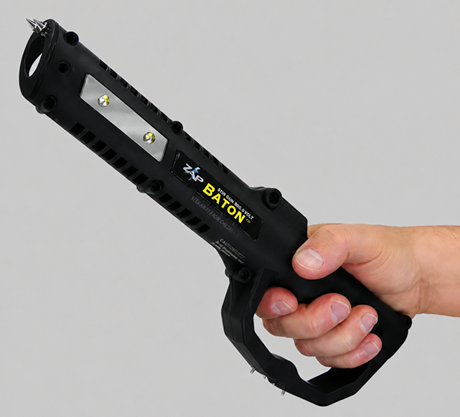
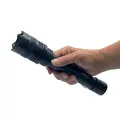
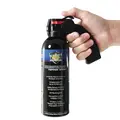
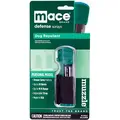
Given the substantial risks that firearms carry, it's prudent to look at safer alternative means for home defense. Reinforcing entry points, alarm systems, exterior lighting, adopting a secure mindset, and avoidance techniques are all more effective at decreasing the chances of home invasion and burglary than keeping a gun.If someone does break into a home, the smartest approach is to avoid confrontation, get to a secure room, and call law enforcement to handle the situation. This reduces danger compared to armed confrontation. There are also less-lethal options like stun gun, taser devices, pepper spray, pepper gun, and steel batons that can be deployed as a last resort while minimizing fatalities.For those who still wish to keep firearms despite the risks, taking every possible safety precaution is crucial. This includes secure gun storage, regular safety training, stringent protection against child and unauthorized access, separating ammunition storage, and being aware of all members of the household's mental and emotional state.
Parting Thoughts
In the end, an honest look at the evidence makes it difficult to argue that firearms make people safer overall. The risks of gun ownership - accidental shootings, suicide, domestic violence, and more - dramatically outweigh any potential self-defense benefits at both individual and societal levels. More guns statistically means more deaths, not less.
Feeling safe is important, but the objective data shows that guns create more danger than protection. Making homes truly safer means exploring alternative security methods that don't introduce the inherent lethality of firearms. Our communities will be more secure when we can move past the myth that more guns make us safer.