by P. Birmingham
 Safety and self-defense are fundamental rights that should be accessible to everyone—regardless of physical, sensory, or cognitive abilities. Unfortunately, disabled individuals often face greater threats, including a higher risk of assault, theft, abuse, and exploitation. These dangers aren't just theoretical; statistics consistently show that people with disabilities experience crime at higher rates than the general population.
But disability does not mean helplessness. With the right mindset, preparation, tools, and training, people with disabilities can defend themselves effectively and live with greater confidence and independence. This blog post offers practical, empowering, and inclusive self-defense strategies for people with disabilities—ranging from physical adaptations to situational awareness and legal protection.
Why Self-Defense Matters for Disabled People
Self-defense is about more than just stopping an attacker. It’s about:
-
Preventing violence and harassment
-
Establishing personal boundaries
-
Building confidence and independence
-
Reducing fear and anxiety
-
Improving overall mental health and resilience
For many disabled people, being able to defend oneself offers a renewed sense of control in a world that often overlooks or marginalizes them.
Understanding the Unique Risks
1. Higher Vulnerability
People with disabilities may be perceived as “easy targets” by criminals. Mobility challenges, communication difficulties, or dependence on others can create the false impression that someone is less capable of defending themselves.
2. Inaccessible Environments
Poor lighting, lack of ramps, narrow walkways, and inaccessible exits can make it harder to flee or get help.
3. Dependence on Caregivers
In some tragic cases, caregivers or people in positions of trust can become perpetrators of abuse or neglect, especially for those with intellectual or sensory disabilities.
4. Underreporting of Crimes
Many crimes against disabled people go unreported due to fear, communication barriers, or lack of access to advocacy and legal support.
Empowerment Starts with Awareness
Situational Awareness Tips:
-
Always be mindful of who is around you.
-
Identify exit routes whenever you enter a room or building.
-
Trust your instincts. If something feels wrong, it probably is.
-
Don’t be afraid to ask for help or remove yourself from an uncomfortable situation.
Training your awareness is one of the most powerful, non-physical self-defense tools available.
Practical Self-Defense Strategies by Disability Type
1. For People with Mobility Impairments
Whether using a wheelchair, cane, crutches, or walker, people with limited mobility can still defend themselves effectively.
Strategies:
-
Use mobility aids as defensive tools. A cane can double as a striking instrument.
-
Carry accessible personal alarms or pepper gel mounted to your mobility device.
-
Take a seated self-defense class (many martial arts schools now offer adaptive programs).
-
Learn leverage-based techniques that require minimal strength.
Tools:
-
Cane stun guns or reinforced tactical canes.
-
Wheelchair-mounted pepper spray or alarms.
-
Smartwatches with SOS features.
2. For People with Visual Impairments
People who are blind or have low vision can develop excellent spatial awareness and tactile sensitivity, which can be used defensively.
Strategies:
-
Learn to use your white cane to detect people or obstacles.
-
Practice basic strikes using your cane or guide dog leash handle.
-
Use audible self-defense alarms to alert others.
-
Carry pepper gel with tactile indicators.
Tools:
-
Keychain alarms with loud, distinct sirens.
-
Talking GPS or tracking apps.
-
Braille-labeled self-defense devices.
3. For People with Hearing Impairments
Those who are deaf or hard of hearing face unique challenges, such as not hearing someone approach from behind or being unaware of verbal threats.
Strategies:
-
Use mirrors or reflective surfaces to maintain visual awareness.
-
Develop strong eye contact and body language reading skills.
-
Carry visual alert devices or vibrational alarms.
-
Practice situational drills with a buddy.
Tools:
-
Vibrating personal alarms.
-
Strobe-light self-defense tools.
-
Text-to-911 apps (in supported areas).
4. For People with Cognitive or Developmental Disabilities
Cognitive disabilities may affect decision-making or reaction time. However, with repetition and simple routines, self-defense can still be learned and effectively applied.
Strategies:
-
Practice a small number of repeatable, easy-to-remember actions.
-
Carry a card that explains your condition and has emergency contacts.
-
Use wearable tech with one-touch alert features.
-
Partner with a trusted friend or guardian for drills and guidance.
Tools:
-
GPS-enabled panic buttons.
-
Easy-grip alarms or defense sprays.
-
Verbal cue cards (“Call 911” or “I need help”).
5. For People with Speech Impairments
In emergencies, the inability to speak clearly may cause delays in getting help or communicating distress.
Strategies:
-
Use non-verbal communication tools (e.g., gestures, symbols, or cards).
-
Carry a whistle, alarm, or strobe light to draw attention.
-
Use apps that send pre-typed emergency messages with one click.
Tools:
-
SOS message apps (with preset texts).
-
Alert cards or emergency flashcards.
-
Wearables with auto-call functions.
Essential Non-Lethal Self-Defense Tools
Self-defense doesn’t always mean physical fighting. Sometimes, a tool is your best line of defense. Here are some of the most effective non-lethal options:
1. Personal Alarms
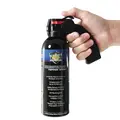
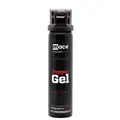
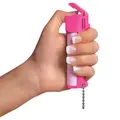
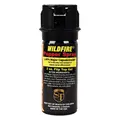
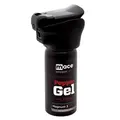
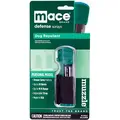
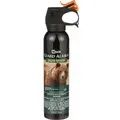
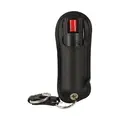
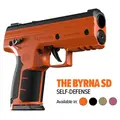
2. Pepper Spray and Gel
-
Temporarily blinds and incapacitates an attacker.
-
Pepper gel is better in windy environments or enclosed spaces.
-
Must be practiced to use accurately.
- See available pepper sprays and pepper gels.
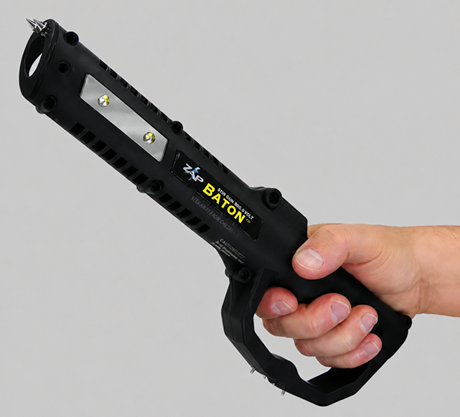
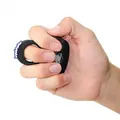
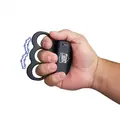
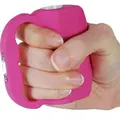
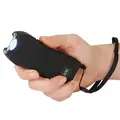
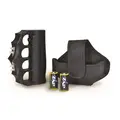
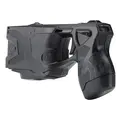
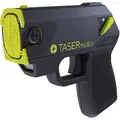
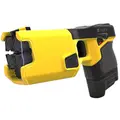
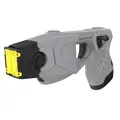
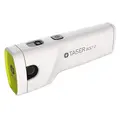
3. Stun Guns and TASERs
-
Delivers an electric shock to disable an attacker.
-
Some models are lightweight and palm-sized.
-
Check state and local laws.
- See availalbe stun guns and TASERs.
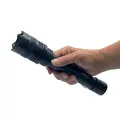
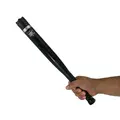
4. Tactical Flashlights
-
High-lumen beams disorient attackers.
-
Useful for night visibility and identifying threats.
-
Can be used to strike in close range.
- See available tactical flashlights.
5. Smart Wearables
-
Panic buttons, GPS trackers, fall detection, and direct-to-911 calling.
-
Apps like Noonlight or Safe365 are ideal for caregivers and loved ones.
-
Set emergency contacts and auto-trigger functions.
Self-Defense Training for the Disabled Community
Many organizations now offer adaptive self-defense programs designed for people with various disabilities. These programs teach practical techniques tailored to your body and situation.
What to Look For:
-
Instructors with experience teaching adaptive techniques.
-
Hands-on scenarios in wheelchairs, with mobility aids, or for sensory impairments.
-
Confidence-building exercises.
-
Legal education on your rights to defend yourself.
Programs to Explore:
Even virtual training videos and classes are now widely available, allowing people to learn from home at their own pace.
Mental and Emotional Resilience
Self-defense is as much a mental game as it is physical. Confidence, composure, and decision-making in stressful situations are often what determine the outcome.
Mental Strategies:
-
Practice breathing and grounding techniques.
-
Develop scripts or responses to common threats.
-
Role-play scenarios with a coach, caregiver, or trusted friend.
-
Recognize your triggers and boundaries.
Emotional Support:
-
Consider therapy or support groups if safety fears are overwhelming.
-
Connect with others in the disabled community to share ideas and experiences.
-
Celebrate every step in becoming more self-reliant.
Know the Law: Self-Defense and Disability Rights
Being informed about your legal rights is critical:
-
The Americans with Disabilities Act (ADA) protects your right to equal access to emergency services.
-
In most states, you can use reasonable force to stop an attack or threat.
-
Duty to retreat laws may apply—know your state’s stance on self-defense.
-
If you carry any self-defense weapon, research legal carry laws (especially for stun devices and pepper spray).
Document any confrontation or incident. If needed, work with legal advocacy organizations that focus on disability rights.
Everyday Habits That Keep You Safe
Here are daily routines that significantly improve your overall safety:
-
Check in regularly with family or caregivers.
-
Use tracking apps when going out alone.
-
Keep your phone or SOS tool easily accessible.
-
Avoid isolated areas, especially at night.
-
Be cautious with who you trust—scammers often target people with visible disabilities.
-
Don’t be afraid to say “no” loudly or create a scene if something feels wrong.
Real Stories of Disabled People Defending Themselves
1. Anna, a visually impaired student, used a personal alarm to draw attention when a man followed her on campus. “People came out of dorms because it was so loud. He ran off.”
2. David, who uses a wheelchair, stunned a would-be thief with a TASER attached to his armrest. “It’s not about fighting back. It’s about not being easy prey.”
3. Tasha, who has autism, uses a smartwatch to alert her mother with her location. “Just knowing someone can find me quickly makes me less anxious.”
These stories remind us: strength doesn’t look the same for everyone—but it’s there.
Conclusion: Empowerment Through Preparedness
Being disabled doesn’t make you weak. In fact, the resilience, resourcefulness, and adaptability shown by disabled people every day are exactly the qualities that make them strong defenders.
Self-defense isn’t just about fighting. It’s about being prepared, aware, and proactive. It’s about taking your safety seriously and not letting anyone dictate your freedom or peace of mind.
Whether you choose a tactical cane, a wearable alert button, a defensive flashlight, or martial arts—your body, your mind, and your life are worth protecting.
Stay strong. Stay prepared. Stay empowered.