In the world of crime investigation, few technologies have been as transformative as DNA analysis. Over the last few decades, DNA has moved from the realm of cutting-edge science into a mainstay of criminal justice, helping solve everything from recent assaults to decades-old cold cases. Whether it’s identifying a killer, exonerating the innocent, or linking crimes across jurisdictions, DNA evidence has reshaped how we pursue justice.
This post explores how DNA is used to solve violent crimes—what it is, how it’s collected, analyzed, matched, and presented in court—and why it's both powerful and, at times, controversial.
What Is DNA and Why Is It So Useful in Solving Crimes?
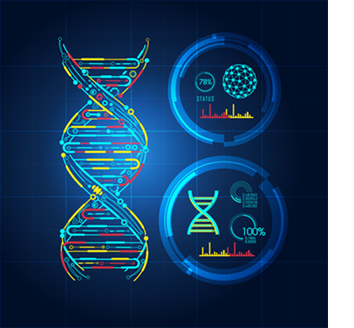
DNA, or deoxyribonucleic acid, is the molecule that carries our genetic code. Nearly every cell in the human body contains DNA, and with the exception of identical twins, each person’s DNA is unique.
This uniqueness makes DNA an invaluable tool for solving crimes. If someone leaves behind blood, semen, hair, saliva, or skin cells at a crime scene, forensic scientists can extract DNA from those materials. Even a small amount of DNA—just a few skin cells—can potentially provide enough evidence to link someone to a crime or eliminate them as a suspect.
Step-by-Step: How DNA Is Used in Criminal Investigations
1. Collection of DNA Evidence at the Crime Scene
The process begins with careful collection of potential DNA-containing material. This could include:
Blood stains on clothes or carpet
Semen samples from a sexual assault kit
Hair strands with roots
Saliva on cigarette butts, cups, or bite marks
Sweat or skin cells from touched objects (touch DNA)
CSI teams use gloves, masks, and sterile swabs to avoid contaminating the scene. The samples are then preserved and labeled before being transported to a crime lab.
2. DNA Extraction and Profiling
In the lab, forensic scientists use chemical processes to break open cells and extract the DNA. The DNA is then amplified using Polymerase Chain Reaction (PCR), a technique that produces millions of copies of a DNA segment.
Next, a DNA profile is created by analyzing specific regions of the genome known as Short Tandem Repeats (STRs). STRs vary from person to person and are used to create a genetic fingerprint. A typical forensic DNA profile looks at 13 to 20 STR regions, enough to make the match statistically significant.
3. Comparison and Matching
Once a profile is developed, investigators compare it to:
A known suspect’s DNA
Victims’ DNA (to rule out contamination)
Databases like CODIS (Combined DNA Index System), which holds profiles from previous offenders and crime scenes
If a match is found, the probability that it’s someone else is typically 1 in several billion, making it a very strong piece of evidence.
4. Arrests, Interrogations, and Charges
If a suspect's DNA matches that found at a crime scene, investigators now have probable cause to question or arrest the individual. DNA evidence alone isn’t always enough for a conviction, but it can provide a critical lead—especially in cases where no eyewitnesses or other evidence exists.
5. DNA in the Courtroom
DNA evidence must be handled properly to be admissible in court. The defense may challenge the chain of custody, the lab techniques, or possible contamination. However, when collected and analyzed correctly, DNA can be extremely persuasive to juries.
Prosecutors often use DNA to:
Corroborate witness testimony
Prove physical presence at the scene
Tie multiple crimes together
Strengthen circumstantial cases
Real Cases: How DNA Has Solved Violent Crimes
The Golden State Killer
One of the most famous recent uses of DNA involved the arrest of Joseph James DeAngelo, the so-called Golden State Killer. He committed at least 13 murders and over 50 rapes across California during the 1970s and '80s.
For decades, the case was cold. Then in 2018, investigators used genetic genealogy—comparing crime scene DNA to profiles uploaded on public ancestry sites—to identify a distant relative of the killer. From there, they built a family tree, narrowed it down to DeAngelo, and confirmed the match using DNA from items he had discarded.
The Exoneration of Ricky Jackson
DNA doesn’t just help catch criminals—it also helps free the innocent. In 2014, Ricky Jackson was released from prison after 39 years for a murder he did not commit. DNA analysis and witness recantations proved he was wrongly convicted, making it the longest known wrongful incarceration in U.S. history.
DNA and Cold Cases
One of the most impactful aspects of DNA technology is its ability to reopen cold cases. In the 1980s and '90s, DNA profiling was primitive, and many samples were stored without testing. Today, modern techniques can analyze even degraded or minimal samples collected decades ago.
Some famous cold cases solved by DNA:
Christine Jessop (1984, Canada): Solved in 2020 using genetic genealogy
April Tinsley (1988, Indiana): Solved in 2018 by matching DNA from condoms left at crime scenes
Sarah Yarborough (1991, Washington): Solved in 2019 using DNA collected from the victim's body
Challenges and Controversies in DNA Forensics
1. Touch DNA and Contamination
With the ability to analyze tiny traces of DNA, investigators now face the challenge of accidental contamination. For example, someone may unknowingly transfer another person’s DNA to a crime scene through objects or physical contact.
This raises concerns about false positives and wrongful accusations, especially in cases where the DNA is the only evidence.
2. DNA Mixtures
Violent crimes often involve DNA from multiple people—especially in gang violence, group assaults, or crowded crime scenes. Interpreting DNA mixtures can be difficult and requires advanced software and experienced analysts.
Poor interpretation has led to mistaken matches, sometimes affecting cases where lives are on the line.
3. Racial Bias in DNA Databases
Databases like CODIS are disproportionately populated with profiles from people of color due to historical over-policing in minority communities. This raises concerns about racial bias in investigations and the potential misuse of familial searching.
4. Genetic Privacy and Ethics
The use of public genealogy databases like GEDmatch for criminal investigations has sparked ethical debates. While these tools have solved brutal crimes, critics argue that people’s genetic data is being used without their full understanding or consent.
In response, many ancestry sites have updated their terms to require users to opt-in for law enforcement access.
Future of DNA in Solving Violent Crimes
The future of forensic DNA analysis is promising and fast-evolving:
- Rapid DNA Testing:
New machines can now generate DNA profiles in under two hours, allowing for real-time analysis during active investigations.
- Phenotyping:
Scientists can now predict eye color, skin tone, hair texture, and even facial structure from DNA. While not 100% accurate, this could one day produce composite sketches from genetic material.
- MiniSTR and Mitochondrial DNA:
These methods allow scientists to extract DNA from older, degraded samples—even bones, teeth, or burned remains—expanding the toolkit for cold case investigations.
- Artificial Intelligence:
AI is being used to interpret DNA mixtures, predict likelihoods, and analyze patterns across cases, improving both speed and accuracy.
Final Thoughts
DNA has revolutionized how we investigate and prosecute violent crimes. It brings science into the courtroom, adds credibility to witness accounts, and can make or break a case. From high-profile murders to forgotten cold cases, DNA has provided a voice for victims and justice for families who waited years—sometimes decades—for answers.
However, with great power comes great responsibility. As DNA tools become more sophisticated, we must also be vigilant about how they’re used, who has access, and how privacy is protected.
At the end of the day, DNA is just a tool—it’s up to humans to use it wisely, ethically, and justly.
About Author:P. Birmingham founded Stunster.com in 2007 and has nearly two decades of hands-on experience with non-lethal self-defense tools, including TASER® devices, stun guns, pepper sprays and pepper guns. He works directly with distributors to ensure products meet high standards of reliability and usability. His mission is to help everyday people understand personal defense technology and make confident, informed choices.



 In the world of crime investigation, few technologies have been as transformative as DNA analysis. Over the last few decades, DNA has moved from the realm of cutting-edge science into a mainstay of criminal justice, helping solve everything from recent assaults to decades-old cold cases. Whether it’s identifying a killer, exonerating the innocent, or linking crimes across jurisdictions, DNA evidence has reshaped how we pursue justice.