by P. Birmingham
 Stun guns can help de-escalate some confrontations by creating distance, deterring aggression with sound and visible arcing, and delivering a painful shock that can break contact and enable escape. Their effectiveness depends on training, timing, proximity, local laws, the model’s output, the user’s decision-making, and the subject’s state. They are not a guarantee, and they work best as part of a broader personal-safety plan that prioritizes avoidance, verbal de-escalation, and quick disengagement.
Personal safety tools spark strong opinions. Some people see stun guns as a quick fix. Others dismiss them as gadgets that won’t stop a determined attacker. The truth lies between those poles. Used correctly and legally, stun guns can be an effective aid to de-escalation and escape. Used carelessly or unlawfully, they may escalate risk.
This guide separates marketing claims from practical realities. You’ll learn when stun guns help, where they fall short, how they compare to other tools, and how to integrate them into a sensible, layered self-defense plan focused on de-escalation.
Stun Gun vs. Taser vs. Pepper Spray: Clarifying Terms
Before evaluating effectiveness, define the tool:
-
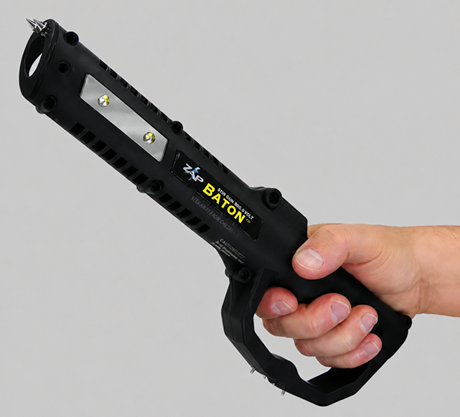
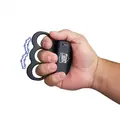
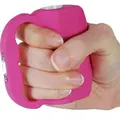
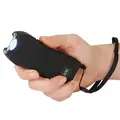
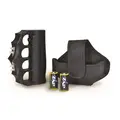
Stun gun (contact device): A handheld device that delivers a high-voltage, low-current shock on direct contact with an attacker’s body. It does not shoot probes. The goal is pain compliance and startle, sometimes brief muscular disruption at the contact site.
-
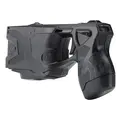
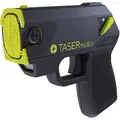
Taser-style CEW (conducted-energy weapon): Shoots wired probes that deliver pulses over distance (typically 10–25 feet for civilian models). This can disrupt neuromuscular control more globally during the cycle. These devices are regulated differently and are not the same as simple stun guns.
-
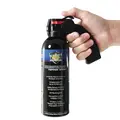
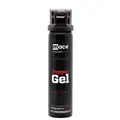
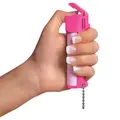
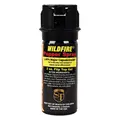
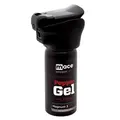
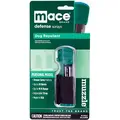
Pepper spray (OC): A chemical irritant aerosol that inflames eyes and airways, creating intense pain and involuntary eye closure in many subjects. Works at modest range but is affected by wind and placement.
This article focuses on contact stun guns, while occasionally contrasting them with Tasers and OC to show tradeoffs.
What “De-Escalation” Means in Practice
De-escalation is any action that reduces the intensity, likelihood, or duration of violence. It starts before any tool comes out:
-
Avoidance and awareness: Choose routes, parking spots, and habits that reduce exposure to risk.
-
Boundary setting and verbal skills: Calm, clear commands. Non-confrontational body language. Exit-seeking.
-
Time and distance: Backing away, repositioning, using obstacles.
-
Tools as last resort: Only when needed, and only to facilitate escape.
A stun gun contributes to de-escalation by:
-
Deterrence: The electric arc and crackling sound can make a would-be aggressor rethink the encounter.
-
Disruption: A contact shock can create a pain response and flinch, breaking a grab or choke to allow escape.
-
Confidence leading to earlier boundary setting: Simply knowing you have a plan can help you speak up earlier and move decisively toward safety.
The Mechanisms: Why Stun Guns Sometimes Work
A stun gun aids de-escalation through three levers:
-
Psychological impact:
The loud arc, visible sparks, and confident stance can cause an undecided aggressor to disengage. Many confrontations hinge on perceived risk. When the risk to the aggressor spikes, some choose to stop.
-
Pain compliance at contact:
When applied firmly to nerve-rich areas (upper chest, shoulder, hip/groin region, underarm), a stun gun can create acute pain and involuntary flinch, disrupting grips and giving you a moment to break away.
-
Startle and attention shift:
Even if pain tolerance is high, the sudden shock can redirect attention long enough for you to create distance, bar a door, or call for help.
Important constraints:
-
Contact is required. You must enter touching distance, which carries risk.
-
Clothing thickness and placement matter. Heavy jackets reduce effect.
-
Some subjects resist pain better: intoxicated, highly adrenalized, mentally ill, or highly motivated attackers may not respond as expected.
-
The device’s quality, charge level, and design influence output and reliability.
When Stun Guns Are Most Effective
-
Pre-contact deterrence with quick exit: You present the device, create arc and audio, give a clear command (“Back up. Leave now.”), and move toward an exit while maintaining space.
-
Breaking holds: Someone grabs your wrist, clothing, or tries to pull you into a vehicle. You apply a strong, sustained drive stun to a target area and immediately disengage.
-
Narrow spaces with limited retreat: Elevators, stairwells, doorways where pepper spray could contaminate you or bystanders. A contact device avoids aerosol blowback.
-
Environments where noise attracts help: The crackling arc and vocal commands can draw attention, which itself discourages assaults.
When Stun Guns Are Less Effective
-
Distance threats: If the aggressor is several feet away with a weapon, a contact device may be the wrong tool. You cannot bridge the gap safely.
-
Multiple attackers: A single contact tool is hard to apply repeatedly against multiple moving threats.
-
High clothing insulation: Thick winter jackets or layered outfits reduce conduction. You may need to target exposed areas like thighs, hands, or neck/shoulder junctions, which can be risky to access.
-
Pain-resistant subjects: Intoxication, stimulants, or adrenaline can blunt pain compliance.
-
Battery neglect: Low charge equals low effectiveness. Many failures stem from poor maintenance.
Stun Guns vs. Pepper Spray vs. Taser-Style CEWs
Range:
Effect profile:
-
Stun gun: Pain and local disruption.
-
Pepper spray: Eye closure and respiratory distress in many subjects, but wind/placement sensitive.
-
Taser-style CEW: Potential neuromuscular incapacitation during cycle if probe spread and placement are adequate.
De-escalation angle:
-
Stun gun deter-and-break-contact tool.
-
Pepper spray area denial and vision impairment that can facilitate escape.
-
Taser-style CEW distance control but requires training, legal compliance, and is costlier.
Collateral risk:
-
Stun gun: Minimal environmental contamination.
-
Pepper spray: Blowback, indoor contamination, effects on you or bystanders.
-
Taser-style CEW: Probe penetration risks, line management, potential fall injuries in a subject.
Bottom line: No single tool is perfect. Many users prefer a layered approach: awareness first, verbal skills, then a distance tool like OC, with a contact tool as backup if grabbed.
Legal and Ethical Considerations
Laws vary by jurisdiction. Some states or municipalities restrict possession, carry, or use of stun guns and CEWs. Ethical use means:
-
You deploy only when reasonably necessary to stop an unlawful, imminent threat.
-
You stop using force once you can safely disengage.
-
You call authorities when safe to do so and document the incident.
Research your local laws on:
-
Age restrictions
-
Carry locations and methods (e.g., schools, government buildings)
-
Reporting requirements
-
Retail purchase rules and shipping limitations
Using a tool illegally or outside policy can escalate consequences and undermine your safety plan.
Training: The Force Multiplier for Effectiveness
Owning a device is not the same as knowing how to use it. Training multiplies effectiveness:
-
Access and draw practice:
Rehearse how you carry the device and how you present it quickly. Fumbling costs seconds you do not have.
-
Command sequence:
Short, firm phrases. “Stop. Back up. Leave now.” Practice saying them while moving offline and raising the device. Your voice is part of de-escalation.
-
Targeting and pressure:
Drive the device firmly into large muscle or nerve-rich areas. A light tap is less effective. Practice with an inert trainer for positioning and pressure without live discharge.
-
Time standards:
Understand your device’s recommended contact duration. Many require a sustained press for best effect. Then break contact and move.
-
Movement and escape:
Train to step, shock, and leave. Your goal is not to “win a fight.” Your goal is to break contact.
-
Battery and function checks:
Set a maintenance schedule. Charge devices regularly. Verify arc. Inspect safety switches, test lights, and holster retention.
-
Scenario planning:
Walk through likely scenarios for your lifestyle: parking garages, rideshare work, late-night retail, property showings. Decide in advance where you will move and what you will say.
Product Features That Influence Real-World Outcomes
-
Ergonomics: A grip you can index under stress. Non-slip texture. Ambidextrous controls if possible.
-
Activation latency: Simple on/off safety and an obvious firing button. Fewer steps equal better performance in a surprise encounter.
-
Output design: While voltage is advertised, current and pulse design plus electrode configuration influence perceived effect. Reputable brands matter.
-
Contact area: Wider or multi-point electrodes improve transfer. Some designs concentrate energy better through clothing.
-
Retention options: Wrist lanyards, disable pins, or holsters reduce the risk of losing your own tool.
-
Integrated light: A built-in flashlight improves identification, helps you find exits, and supports command presence in low light.
-
Rechargeability: USB-C or cradle systems remove the excuse of “I forgot to buy batteries.”
These features do not guarantee success, but they increase your margin for error.
Common Failure Modes and How to Prevent Them
-
Too late to deploy:
If you ignore early warning signs, you may not access the device in time. Fix: carry consistently and practice presentation.
-
Weak contact:
Glancing blows and timid pressure reduce effect. Fix: train to drive the electrodes into target areas with commitment.
-
Poor target choice:
Heavy clothing, bony surfaces, or fleeting contact. Fix: aim for upper torso sides, shoulder/neck junction, hip/thigh—areas with mass and nerves.
-
Tunnel vision:
After contact, some users freeze. Fix: drill “contact, create space, escape” until it is automatic.
-
Battery neglect:
Low charge kills deterrence and output. Fix: set calendar reminders or integrate charging into weekly routines.
-
Legal ignorance:
Carrying or using unlawfully can lead to arrest and civil liability. Fix: know your laws and follow them.
How Stun Guns Fit Into a De-Escalation-First Safety Plan
Consider a layered model:
-
Behavioral layer: Avoidance, route choices, parking awareness, buddy systems, and situational cues.
-
Communication layer: Verbal boundary setting, calm tone, visible palms, constant movement toward exits.
-
Environmental layer: Use barriers, lighting, and terrain. Put a car, door, or counter between you and the threat.
-
Tools layer:
-
Primary distance option: Pepper spray or a Taser-style CEW where legal and trained.
-
Secondary contact option: Stun gun for grabs or confined spaces.
-
Emergency signal: Phone activation, alarm apps, or personal sirens.
-
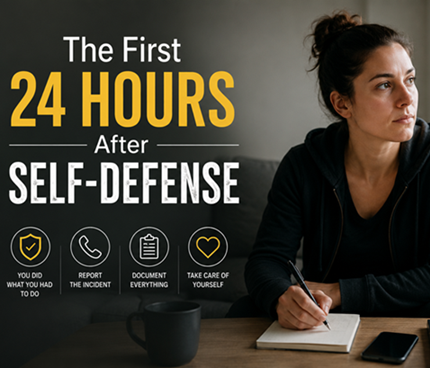
Aftercare layer: Call authorities, seek medical evaluation if needed, and document events.
This structure keeps the focus on de-escalation while recognizing that tools can create the window you need to leave safely.
Special Contexts: Pros and Cons
-
Rideshare and delivery work: Confined spaces favor contact tools because OC may contaminate your own cabin. But distance tools are limited. Stun guns can break grabs; training is critical.
-
Real estate showings: Large properties with blind corners. A small, easily accessed stun gun can provide confidence and last-resort disruption if grabbed. Pair with strong arrival protocols and check-ins.
-
Campus and commuting: Crowded walkways and indoor corridors. Stun guns reduce collateral exposure compared to OC, but require contact. Walk in pairs when possible and pre-plan well-lit routes.
-
Domestic or workplace harassment: De-escalation relies heavily on boundary setting, documentation, and institutional support. Tools are a last resort and may complicate legal matters. Seek formal safety planning.
Ethics and Risk: Don’t Let Tools Create False Confidence
Tools can seduce users into taking risks they would otherwise avoid. That is mission drift. Your objective is to not need the tool. If you carry a stun gun, carry humility with it:
-
You may face a subject who doesn’t respond to pain.
-
You may be disarmed or outnumbered.
-
You may misread a situation and escalate it.
The ethical use of force requires judgment. When in doubt, prioritize distance, witnesses, and exits.
Frequently Asked Questions
Does a stun gun knock someone out?
No. Expect pain and flinch, not Hollywood-style “instant lights out.” Some subjects drop their grip or back away. You use that moment to leave.
How long should I apply contact?
Follow your device guidance. Many recommend a sustained press of one to several seconds for effect. Train to apply, then move.
Where should I aim?
Large muscle groups and nerve-rich zones accessible through typical clothing: side of torso, upper chest/shoulder area, hip or outer thigh. Avoid the face and neck unless you are in imminent danger and cannot access safer targets. Know your local laws.
Can a stun gun be used through clothing?
Often yes, but heavy or insulated clothing reduces effect. A firm drive into the fabric helps. Bare-skin contact is more effective but rarely feasible under stress.
Will it work on someone intoxicated or enraged?
Sometimes, but not reliably. Pain compliance is less predictable in those states. Have a backup plan.
Should I carry pepper spray or a stun gun?
If legal, many people carry both: OC for distance and area denial, stun gun for close-contact disruptions. Training and consistent access matter more than the specific brand.
Are there safety risks to me?
Yes. You must get close. You may receive incidental shock if your hand bridges electrodes or if the subject’s body presses the device into you. Train grip and positioning.
What about maintenance?
Charge weekly or per the manufacturer, test the arc briefly in a safe area, inspect switches, and verify the light if equipped.
Practical Checklist for Responsible Carry
-
Verify legality for your jurisdiction.
-
Choose a reputable device with intuitive controls and secure carry.
-
Practice access and presentation from your real carry position.
-
Script three clear commands and rehearse them.
-
Pair your tool with a distance option if legal and feasible.
-
Set a charging schedule.
-
Enroll in a short self-defense or personal-safety course that covers awareness, boundary setting, and escape tactics.
-
Decide today: your goal is escape, not to “win.” Every drill ends with you moving to safety and calling for help.
Bottom Line
Stun guns can contribute to de-escalation by deterring some aggressors and disrupting close-range assaults long enough for you to escape. They are not magic wands. Effectiveness depends on your awareness, training, decisiveness, the device’s design and charge, and the attacker’s condition. For most civilians, the best results come from layering: strong situational awareness and verbal skills, a distance option like pepper spray, and a contact stun gun as a last-ditch tool for grabs and confined spaces—used legally and ethically with escape as the only objective.
If you adopt that mindset, a stun gun can be one useful component of a safer everyday routine.