by P. Birmingham
 In a world where uncertainty can strike at any moment—from cyber threats to physical danger—technology is rapidly becoming one of our greatest allies in personal safety. Whether you’re at home, on the road, traveling solo, or just browsing online, modern tools and gadgets are doing more than ever to protect us from harm.
This blog post explores how technology can help you be safe in everyday life. We'll break down innovations in home security, personal safety, digital protection, travel, emergency preparedness, and more. By the end, you’ll walk away with a practical understanding of how to use today’s tools not just to survive—but to live smarter and safer.
1. Home Security: Turning Your House Into a Smart Fortress
Gone are the days when a barking dog and a deadbolt were enough to make you feel secure. Modern homes can be protected 24/7 by technology that thinks, detects, and reacts faster than we can.
a. Smart Cameras & Doorbells
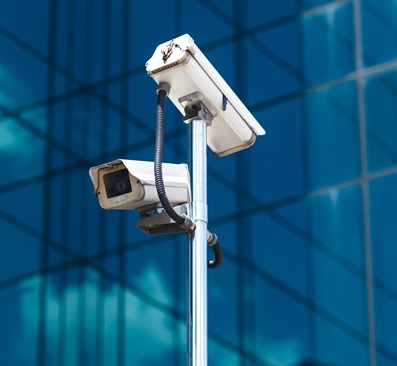
Devices like Ring, Arlo, and Google Nest allow you to monitor your front porch, backyard, or garage in real time. With motion detection, night vision, and even facial recognition, they:
-
Send alerts when someone approaches your home.
-
Record video you can access remotely.
-
Deter thieves with two-way talk or alarms.
b. Smart Locks & Door Sensors
Digital locks like August, Schlage Encode, and Yale Smart Lock let you:
-
Lock or unlock your door remotely.
-
Grant time-limited access codes to family or contractors.
-
Receive notifications if your door is left open.
Paired with window and door sensors, you’ll know the instant someone tries to sneak in.
c. Indoor Sensors and Monitors
Smart smoke detectors, carbon monoxide sensors, and water leak monitors can catch hidden dangers before they escalate, keeping your family safe from fire, poisoning, or flooding.
2. Personal Safety: Your Tech-Enhanced Bodyguard
Whether you're walking home at night or going for a morning jog, personal safety technology has your back.
a. Safety Apps
Apps like Noonlight, bSafe, and Life360 offer powerful tools:
-
Emergency triggers: Hold a button in-app, and if you let go without entering a code, the app alerts authorities.
-
Location sharing: Loved ones can track your real-time location.
-
Audio/video evidence: Some apps automatically record what’s happening and send it to your emergency contacts.
b. Wearables with Safety Features
Smartwatches and fitness trackers aren’t just for steps—they’re lifesavers.
-
Apple Watch & Galaxy Watch: Offer fall detection, heart monitoring, and emergency SOS features.
-
Garmin & Fitbit: Include location tracking and health alerts.
-
Invisawear Smart Jewelry: Stylish bracelets and necklaces with built-in panic buttons that send help with one tap.
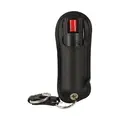
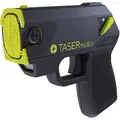
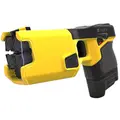
c. Stun Guns and Alarms with Smart Features
Some modern self-defense tools now have integrated technology:
These tools offer peace of mind in vulnerable moments.
3. Travel Safety: Smart Tech for Solo Trips and Urban Exploration
Whether you’re hopping in an Uber, going on vacation, or exploring new cities, technology can drastically reduce your risks.
a. GPS Trackers & Personal Beacons
-
Tile and Apple AirTags: Let you track your luggage or wallet in case of loss or theft.
-
Personal GPS trackers like Jiobit or AngelSense are great for kids, seniors, or solo travelers.
-
Satellite messengers like Garmin inReach let you send SOS signals from anywhere on earth—even without cell service.
b. Safe Navigation Apps
-
Google Maps and Waze use crowd-sourced data to alert you of accidents, police stops, or road hazards.
-
Komoot and AllTrails help hikers find safe, verified trails and avoid getting lost.
-
Some apps now include “safer route” settings based on lighting, crime reports, or foot traffic.
c. Rideshare Safety Features
Apps like Uber and Lyft now offer:
You can also verify driver and car details before entering.
4. Digital Security: Guarding Your Online Identity and Privacy
While the physical world has its dangers, the digital world is no less risky. Thankfully, many technologies can keep your identity and finances secure.
a. Password Managers
Tools like LastPass, 1Password, and Dashlane help you:
They also notify you if your information appears in data breaches.
b. Two-Factor Authentication (2FA)
Using 2FA apps like Google Authenticator or Authy adds a powerful layer of protection by requiring a second step—like a code from your phone—before logging into accounts.
c. VPNs and Privacy Tools
-
VPNs like NordVPN and ExpressVPN protect your location and browsing data from hackers.
-
Privacy-focused browsers (e.g., Brave or DuckDuckGo) block trackers.
-
AI-powered email filters like those in Gmail can catch phishing attempts or dangerous attachments before they reach you.
These tools act like a digital perimeter alarm system for your online life.
5. Automotive Technology: Safety on the Road
Whether you’re commuting or road-tripping, today’s vehicles are safer than ever thanks to cutting-edge technology.
a. Advanced Driver Assistance Systems (ADAS)
These include:
Even non-luxury models now include these features, helping reduce accidents caused by distraction or fatigue.
b. Dash Cams
Dash cams like Nextbase, Garmin, and Viofo can:
-
Record accidents for evidence.
-
Monitor your vehicle when parked.
-
Use motion sensors to detect break-ins.
Some offer cloud backup and remote access, giving you real-time peace of mind.
c. Vehicle GPS & Emergency Systems
-
OnStar, SiriusXM Guardian, and BMW Assist can detect crashes, call 911, and direct emergency crews to your location—even if you’re unconscious.
-
Newer systems also offer theft tracking, so if your car is stolen, authorities can locate it quickly.
6. Emergency Preparedness: Tech That Saves Lives in a Crisis
During natural disasters, power outages, or health emergencies, tech becomes more than convenience—it becomes survival.
a. Smart Emergency Alerts
-
FEMA, Red Cross, and local governments now send real-time alerts to your phone about wildfires, hurricanes, missing persons, or threats.
-
Some weather apps use AI to predict danger zones and send early warnings.
b. Solar-Powered Devices & Battery Packs
Tech like solar-powered radios, battery banks, and USB-powered fans can keep you connected and safe when the grid goes down.
c. Smart Medical Devices
-
Home defibrillators, smart thermometers, and pulse oximeters are easier to use and more affordable.
-
For seniors or people with chronic conditions, tools like Medical Guardian or Philips Lifeline provide instant help with the press of a button.
7. Everyday Digital Helpers That Boost Safety
Even the tools you use daily—phones, apps, assistants—have safety-enhancing features you might not realize.
a. Voice Assistants (Alexa, Siri, Google Assistant)
These can:
-
Call emergency contacts hands-free.
-
Lock smart doors.
-
Turn on lights when you hear something outside.
-
Read out safety alerts or news updates.
b. Smart Lighting
c. Security Systems with AI Integration
Systems like Vivint, SimpliSafe, and ADT SmartHome combine motion sensors, cameras, alarms, and mobile apps into one easy-to-manage ecosystem.
8. Tips for Using Technology Safely and Responsibly
a. Know What You’re Using
Learn the settings and features of each tech product. Customize your alerts and notifications for relevance.
b. Balance Tech with Awareness
Don’t let convenience make you careless. Tech is a tool, not a replacement for common sense or awareness.
c. Protect Your Data
Use secure passwords, turn on encryption when available, and avoid oversharing online—even when tech feels “private.”
d. Practice with Emergency Features
Know how to trigger your device’s SOS, how to access your emergency contacts, and how to use your security apps quickly—before you need them.
Final Thoughts: Embrace Tech, Stay Smart
Technology can’t stop every threat. But when used thoughtfully, it can dramatically improve your odds, deter danger, alert responders faster, and give you more control over your environment—both physical and digital.
From smart locks and watches to AI-powered alerts and secure apps, tech has evolved from luxury to lifeline. It empowers you to move through the world with more confidence and less fear.
So equip yourself. Stay informed. Keep learning how to use technology not just to connect and create—but to protect.