by P. Birmingham
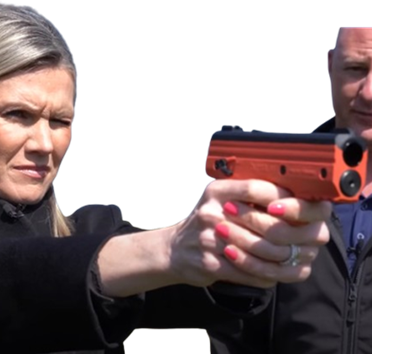 In a world where personal safety is a growing concern, stories of self-defense often capture our attention. One recent event, reported in early 2025, stands out not only for its intensity but also for the use of a non-lethal device that allowed the individual to protect themselves without taking a life. This blog post explores the details of this incident, the role of non-lethal self-defense tools, their growing popularity, and the broader implications for personal and societal safety. Through this narrative, we’ll also examine the technology behind these devices, their legal standing, and why they’re becoming a go-to choice for many.
The Incident: A Nighttime Confrontation
On March 15, 2025, in Albuquerque, New Mexico, a 34-year-old woman named Sarah Martinez (name changed for privacy) found herself in a harrowing situation. According to local news outlet KRQE, Sarah was walking home from a late shift at a nearby restaurant when she noticed a man following her. The incident occurred around 10:30 PM in a dimly lit residential area, where streetlights were sparse, and pedestrian traffic was minimal.
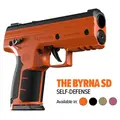
Sarah, who had recently attended a self-defense workshop hosted by Live Safe New Mexico, carried a Byrna SD, a non-lethal CO2-powered pistol designed to fire pepper-filled or kinetic rounds. As the man quickened his pace and began shouting threats, Sarah’s instincts kicked in. She later told reporters, “I felt trapped. He was closing the distance, and I knew I had to act fast.”
When the man was within 10 feet, Sarah drew her Byrna SD, aimed, and fired two pepper rounds. The chemical irritant caused immediate disorientation, forcing the assailant to stop, cough violently, and rub his eyes. Seizing the opportunity, Sarah ran to a nearby convenience store and called 911. Police arrived within minutes, apprehending the suspect, who was later identified as a 42-year-old with a history of petty theft and assault.
The incident ended without serious injury to either party. Sarah was shaken but unharmed, and the suspect, after receiving medical attention for the pepper exposure, was charged with attempted assault and stalking. This event, while terrifying, highlighted the effectiveness of non-lethal self-defense tools in de-escalating a potentially deadly situation.
The Byrna SD: A Closer Look at the Technology
The Byrna SD, the device Sarah used, is one of the most popular non-lethal self-defense tools on the market today. Manufactured by Byrna Technologies, this compact pistol is powered by compressed CO2 and can fire a variety of projectiles, including chemical irritants (pepper or tear gas rounds) and kinetic rounds (solid projectiles for impact). According to Byrna’s website, the SD can launch rounds up to 60 feet with enough force to deter an attacker without causing permanent harm.
The device is designed for ease of use, with a point-and-shoot mechanism similar to a traditional firearm but without the lethal consequences. It features a 5-round magazine, a trigger safety, and a lightweight frame that makes it easy to carry in a purse or holster. Unlike tasers or stun guns, which require close proximity, the Byrna SD allows users to maintain distance, a critical factor in Sarah’s case.
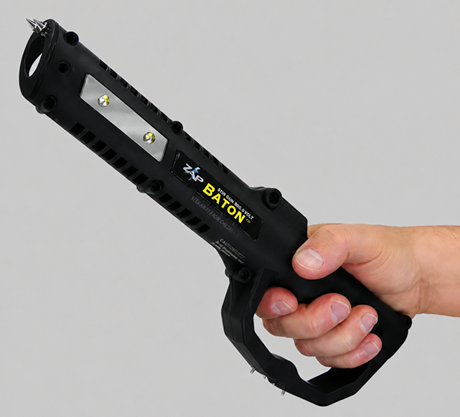
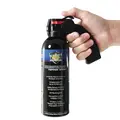
Non-lethal devices like the Byrna SD are part of a growing trend in personal defense. Other options include tasers, stun guns, pepper sprayHello World! pepper sprays, and even innovative tools like the Bopper Defense System, a non-lethal device developed by Metairie inventor Rick Sinclair to combat school threats. These tools prioritize incapacitation over lethality, offering a middle ground between fleeing and using deadly force.
Why Non-Lethal? The Appeal of Less-Lethal Defense
The rise of non-lethal self-defense tools reflects a broader societal shift toward minimizing harm while ensuring personal safety. For many, the idea of carrying a firearm is unappealing due to ethical concerns, legal restrictions, or the fear of escalating a situation to a deadly outcome. Non-lethal devices offer a solution that aligns with the principle of proportionate response—using only the force necessary to stop a threat.
Sarah’s story resonates with many who seek empowerment without the moral or legal weight of lethal force. As Rob Chadwick, Director of Training at the US Concealed Carry Association, noted, “Non-lethal tools are an essential part of the self-defense journey.” They’re particularly appealing to individuals like Sarah, who live in areas with strict gun laws or who prefer a less confrontational approach to personal protection.
Moreover, non-lethal devices are often more accessible. The Byrna SD, for example, is legal in all 50 states without a permit, though some jurisdictions restrict chemical rounds. This accessibility makes it a viable option for people who may not qualify for or want a concealed carry license. Training programs, like those offered by Live Safe New Mexico, further democratize access by teaching civilians how to use these tools effectively.
The Legal Landscape: Navigating Self-Defense Laws
Self-defense laws vary widely across the United States, and understanding them is crucial for anyone considering a non-lethal device. In New Mexico, where Sarah’s incident occurred, the law permits the use of reasonable force to protect oneself from imminent harm. The state’s self-defense statute emphasizes proportionality, meaning the response must match the threat. Sarah’s use of a Byrna SD was deemed lawful because the pepper rounds caused temporary discomfort rather than lasting injury, and she acted only after the assailant demonstrated clear intent to harm her.
However, not all states are as permissive. Some jurisdictions classify pepper-based devices as weapons, requiring permits or restricting their use in certain settings. For example, California imposes strict regulations on pepper spray canister sizes, while New York requires a background check for some non-lethal devices. Users must research local laws to avoid legal repercussions.
The legal advantage of non-lethal devices lies in their reduced likelihood of fatal outcomes, which can complicate self-defense claims. A 2023 report by The Trace noted that non-lethal tools like the Byrna SD are marketed as a way to “shoot, don’t kill,” appealing to those who want to avoid the legal and emotional fallout of a lethal encounter. Sarah’s case likely avoided a more complex investigation because the suspect survived, allowing police to focus on his actions rather than her response.
The Psychological Impact: Empowerment and Responsibility
Beyond the technical and legal aspects, Sarah’s story underscores the psychological dimension of self-defense. Carrying a non-lethal device can instill confidence, particularly for women who, like Sarah, face heightened risks in everyday settings. A 2024 study by Defender Ring found that women are increasingly turning to non-lethal tools like stun guns and pepper sprays, citing their effectiveness and ease of use.
For Sarah, the Byrna SD was more than a tool—it was a lifeline that allowed her to reclaim control in a moment of terror. In her post-incident interview, she credited Live Safe New Mexico’s training for her quick thinking. “They taught me to stay calm and aim for the chest. I didn’t want to hurt him, just stop him,” she said.
Yet, carrying a self-defense device also comes with responsibility. Overconfidence or improper use can escalate situations, as some critics argue. A Reddit thread discussing the Byrna SD questioned whether such devices give users a “false sense of safety,” potentially encouraging risky behavior. Proper training, as Sarah received, mitigates this by emphasizing situational awareness and de-escalation techniques alongside device operation.
The Broader Impact: A Shift in Self-Defense Culture
Sarah’s incident is part of a larger trend reshaping self-defense culture. Companies like Byrna Technologies, SABRE, and HERO are capitalizing on growing demand for non-lethal options, with products ranging from pepper launchers to compact stun guns. Byrna, in particular, has gained traction through endorsements from figures like Clay Travis and George Noory, who praise its balance of power and restraint.
This shift isn’t without controversy. Some gun rights advocates argue that non-lethal devices are insufficient against armed attackers, while others see them as a gateway to broader weapon acceptance. Meanwhile, gun control proponents worry that devices like the Byrna SD, which resemble firearms, could normalize a “shoot first” mentality. The Trace’s 2023 analysis questioned whether Byrna’s marketing could bridge the divide between “gun lovers and gun haters” or simply deepen it.
Despite these debates, the data speaks for itself. Byrna Technologies reported a 50% sales increase in 2024, driven by urban dwellers and first-time buyers. Retailers like Live Safe New Mexico and brick-and-mortar stores in places like Franklin, Tennessee, are expanding to meet demand. These trends suggest that non-lethal devices are carving out a permanent space in the self-defense market.
Lessons from Sarah’s Story
Sarah Martinez’s encounter offers several takeaways for anyone considering a non-lethal self-defense tool:
-
Training is Essential: Sarah’s success stemmed from her preparation. Programs like those offered by Live Safe New Mexico teach not just how to use a device but when and why.
-
Know Your Device: Understanding the Byrna SD’s range, projectile types, and maintenance ensured Sarah used it effectively. Familiarity breeds confidence and competence.
-
Stay Legal: Researching local laws prevents legal trouble. Sarah’s actions were lawful in New Mexico, but the same outcome isn’t guaranteed elsewhere.
-
De-escalation First: Non-lethal devices are tools of last resort. Sarah attempted to flee before firing, aligning with best practices for minimizing harm.
-
Mental Preparedness: Carrying a self-defense tool requires a mindset that balances vigilance with restraint. Sarah’s ability to stay calm under pressure was as critical as her Byrna SD.
Looking Ahead: The Future of Non-Lethal Defense
As non-lethal self-defense gains momentum, innovation is accelerating. Byrna Technologies recently opened a new store in Franklin, Tennessee, signaling confidence in the market’s growth. Meanwhile, inventors like Rick Sinclair are exploring niche applications, such as school safety, with devices like the Bopper Defense System. These developments suggest that non-lethal tools will continue to evolve, offering more options for civilians and law enforcement alike.
For individuals like Sarah, these tools are more than gadgets—they’re a means of empowerment, offering protection without the irreversible consequences of lethal force. Her story, while unique, reflects a universal desire for safety in an unpredictable world. As Live Safe New Mexico’s owner, Larry Johnson, put it, “We’re not about taking lives; we’re about saving them.”
In the end, Sarah’s brave stand with a Byrna SD wasn’t just a personal victory—it was a testament to the power of non-lethal self-defense to protect, deter, and preserve life. As more people embrace these tools, stories like hers will likely become more common, reshaping how we think about personal security in the 21st century.
See cost of the Byrna SD