by P. Birmingham
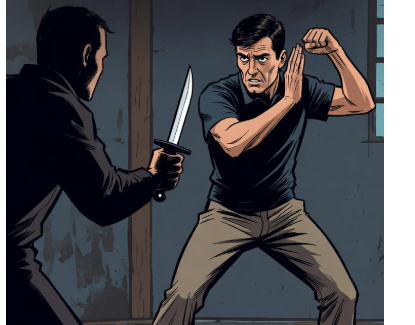 Knife attacks are among the most dangerous forms of interpersonal violence because knives are easy to conceal, quick to deploy, and capable of causing severe injury in seconds. Unlike depictions in movies or martial arts demonstrations, real knife encounters are chaotic, fast, and unpredictable. There is no guaranteed way to “win” a knife fight, and even trained professionals treat edged-weapon threats as life-threatening emergencies.
This article explains how to think about defending yourself against a knife attack from a safety, prevention, and survival standpoint. The focus is not on fighting techniques, but on risk reduction, awareness, escape, and lawful self-defense decisions that can improve your chances of surviving an encounter.
1. Understanding the Reality of Knife Attacks
Why Knives Are So Dangerous
Knives require no reload, make little noise, and can be used at extremely close range. Injuries may not be immediately felt due to adrenaline, meaning victims often underestimate the severity of wounds until it is too late.
Key realities:
-
Distance closes very quickly.
-
Severe injury can occur in seconds.
-
Even experienced defenders are likely to be cut.
-
Survival depends more on decisions than strength.
The goal of self-defense in a knife scenario is escape and survival, not control or domination.
2. Prevention Is Your First Line of Defense
Situational Awareness
Most violent encounters do not come out of nowhere. Warning signs often exist before an attack.
Pay attention to:
-
People invading personal space unnecessarily
-
Hidden or bladed hand positions
-
Erratic behavior or fixation on you
-
Sudden silence or emotional escalation
-
Attempts to block your path or isolate you
Keeping your head up, limiting distractions (like phone use), and trusting your instincts can give you critical seconds to react.
Avoidance and Route Planning
Before anything happens, know:
Avoid confined spaces with strangers when possible, especially elevators, stairwells, or narrow corridors.
3. Distance Is Survival
Why Distance Matters
Distance equals time. Time equals options.
A knife is most dangerous at close range. Your priority should be:
-
Creating space
-
Maintaining space
-
Using space to escape
If you see a blade:
-
Back away immediately if possible
-
Move laterally rather than straight back
-
Keep objects between you and the attacker (cars, tables, chairs)
Even a few extra feet can drastically improve your odds.
4. De-Escalation When Possible
Not every knife threat is immediately lethal. Some involve intimidation, robbery, or emotional distress.
If escape is not immediately available:
-
Stay calm and non-confrontational
-
Use clear, steady communication
-
Avoid sudden movements
-
Comply if property is demanded and your safety is at risk
Your life is worth more than anything you are carrying.
De-escalation does not mean weakness; it means choosing survival.
5. Environmental Awareness and Improvised Barriers
You do not need to “fight” to defend yourself.
Common environmental tools that increase safety:
-
Barriers (doors, vehicles, furniture)
-
Elevation changes (stairs, curbs)
-
Obstacles that slow movement
Placing objects between you and a blade forces the attacker to go around them, buying time to escape.
6. Running Is a Valid and Effective Defense
The Value of Escape
Running is often the safest response when distance allows. Knife attacks rely on proximity, and most attackers cannot maintain a sprint while holding a weapon.
When escaping:
-
Run toward people, light, and visibility
-
Use zig-zag movement around obstacles if needed
-
Do not stop until you reach safety
-
Call emergency services immediately
Escaping does not require winning a confrontation—only surviving it.
7. Understanding Legal Self-Defense Principles
Reasonableness and Proportionality
Self-defense laws vary, but generally require:
Using force after the threat has ended can carry serious legal consequences.
Know Your Local Laws
Some jurisdictions:
Understanding the legal framework where you live is part of responsible self-protection.
8. Defensive Tools and Safety Considerations
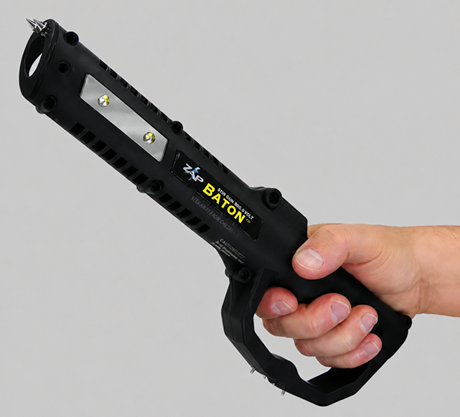
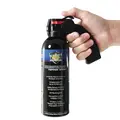
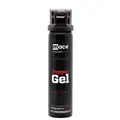
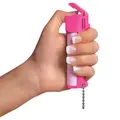
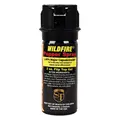
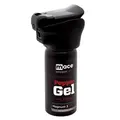
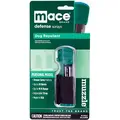
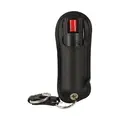
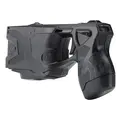
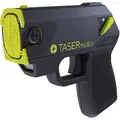
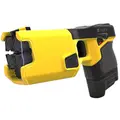
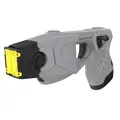
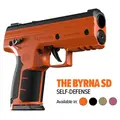
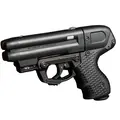
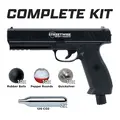
This article does not recommend specific weapons (such as Tasers, stun guns, pepper sprays, pepper guns, knives, etc.) or techniques, but it is important to understand that defensive tools are not magic solutions.
Key considerations:
-
Tools require training and practice
-
Stress affects fine motor skills
-
Wind, distance, and environment matter
-
Tools may fail or be taken
The most reliable “tool” remains awareness and decision-making.
9. If Physical Contact Occurs
Despite best efforts, some encounters become unavoidable. In these cases:
-
Expect injury
-
Prioritize breaking contact
-
Focus on creating an opportunity to escape
-
Do not fixate on “winning”
The goal is not to stop the attacker permanently, but to end the encounter long enough to get away.
Once you can disengage, do so immediately.
10. After Escape: Medical and Legal Steps
Seek Medical Attention Immediately
Knife wounds can be deceptive. Even small cuts can cause:
-
Severe bleeding
-
Internal damage
-
Infection
Get professional medical help as soon as possible, even if you feel “okay.”
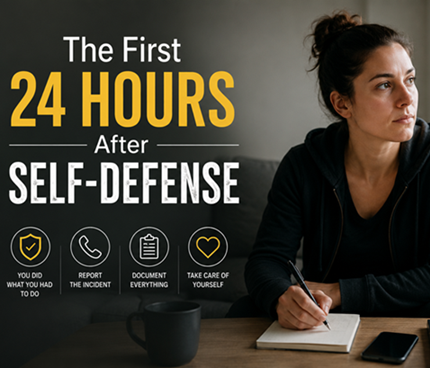
Report the Incident
Contact law enforcement when safe to do so. Provide factual information and follow instructions. Avoid speculation or emotional statements in the immediate aftermath.
11. Psychological Aftermath
Surviving a violent encounter can have lasting mental effects, including:
-
Anxiety
-
Hypervigilance
-
Sleep disturbances
-
Emotional shock
These reactions are normal. Professional support, counseling, or trauma-informed care can be beneficial.
12. Training and Preparation
What Training Actually Helps
The most effective preparation focuses on:
Training that emphasizes avoidance, escape, and realism is far more valuable than techniques that promise dominance or disarms.
13. Common Myths About Knife Defense
Myth 1: “I’ll Just Block or Disarm”
Knife attacks are fast and unpredictable. Attempting precise movements under stress is extremely risky.
Myth 2: “Strength Wins”
Speed, positioning, and awareness matter more than size or strength.
Myth 3: “Movies Are Realistic”
Real encounters do not look clean or controlled. Expect chaos, not choreography.
14. A Survival-First Mindset
The correct mindset is:
There is no shame in running, complying, or choosing not to fight.
15. Key Takeaways
-
Knife threats are life-threatening emergencies.
-
Awareness and distance are critical.
-
Escape is the best outcome.
-
De-escalation and compliance can save lives.
-
Physical engagement carries extreme risk.
-
Medical care is essential after any injury.
-
Legal knowledge and mental preparedness matter.
Conclusion
Defending yourself against a knife attack is not about mastering techniques—it is about making smart, fast decisions that maximize your chances of survival. Awareness, avoidance, distance, and escape are far more effective than attempting to overpower an armed attacker.
The safest knife fight is the one you never enter. Preparation, education, and responsible self-protection choices can dramatically reduce risk and improve outcomes in real-world situations.