Bringing a baby home is an exciting milestone. It also brings the responsibility of making sure your home is as safe as possible. Babies are curious explorers from the moment they start moving, and even before they crawl, dangers exist in every room. Babyproofing your home is about reducing risks, anticipating hazards, and creating an environment where your child can grow safely. In this comprehensive guide, we will cover step-by-step how to make your home safe for a baby.
Why Babyproofing Matters
Babies develop quickly. They transition from lying still to rolling, crawling, pulling up, and eventually walking in a matter of months. Each stage introduces new risks:
Rolling babies can fall off couches or beds.
Crawling babies can access cords, outlets, and sharp objects.
Walking toddlers can reach countertops, climb furniture, and open cabinets.
Accidents are the leading cause of injury in infants, but most are preventable with the right precautions.
General Safety Principles
Think like a baby: Get on your hands and knees and view the world from your child’s perspective.
Remove hazards, don’t just block them: Avoid leaving dangerous items accessible even temporarily.
Consistency: Babyproofing is ongoing. As your child grows, new risks emerge.
Supervision: No babyproofing is foolproof. Always supervise closely.
Room-by-Room Babyproofing
Living Room
Furniture stability: Anchor bookshelves, TVs, and cabinets to the wall to prevent tipping.
Sharp corners: Use corner guards on coffee tables and TV stands.
Cords: Hide electrical cords with cord covers. Secure blind cords out of reach with cleats.
Small objects: Keep coins, batteries, and small toys off floors and low surfaces.
Kitchen
Cabinets: Use childproof latches on cabinets containing cleaning products, knives, or glass.
Stove safety: Install stove knob covers. Use back burners when cooking.
Appliances: Unplug small appliances and store them away after use.
Floor safety: Clean up spills immediately to prevent slips.
Nursery
Crib safety: Use a firm mattress with a fitted sheet. Avoid pillows, blankets, and bumpers.
Changing table: Always keep one hand on your baby. Use safety straps.
Mobiles and décor: Hang out of reach. Remove mobiles when the baby can sit up.
Toy storage: Use bins without lids that can pinch little fingers.
Bathroom
Water temperature: Set water heater to 120°F (49°C) to prevent burns.
Toilet locks: Install toilet locks to prevent drowning hazards.
Medications: Store in a locked cabinet, far out of reach.
Bathtub safety: Use non-slip mats and never leave your baby unattended.
Bedroom
Dressers and furniture: Anchor heavy furniture.
Outlets: Use outlet covers on all accessible plugs.
Window safety: Install window guards or stops to prevent falls.
Hallways and Stairs
Baby gates: Install gates at the top and bottom of staircases.
Rugs: Secure rugs with non-slip pads to prevent falls.
Lighting: Keep hallways well-lit for nighttime safety.
Key Safety Measures
Electrical Safety
Outlet covers or sliding outlet plates prevent access.
Hide extension cords.
Avoid overloading outlets.
Fire Safety
Install smoke detectors in every bedroom and hallway.
Install carbon monoxide detectors if you use gas appliances.
Keep fire extinguishers accessible in kitchen and laundry.
Poison Prevention
Lock away medications, cleaning supplies, and cosmetics.
Store laundry pods out of sight.
Use child-resistant packaging.
Water Safety
Never leave a baby unattended near water.
Empty buckets and bathtubs immediately after use.
Keep bathroom doors closed.
Choking Hazards
Anything smaller than a golf ball can pose a risk.
Avoid small toys, buttons, or jewelry within reach.
Cut food into small pieces when your child starts solids.
Outdoor Safety
Yard: Fence pools and ponds. Keep gates locked.
Garage: Store tools, chemicals, and sharp objects out of reach.
Driveway: Always check surroundings before moving vehicles.
Essential Babyproofing Products
Outlet covers.
Cabinet and drawer locks.
Baby gates.
Furniture anchors.
Corner guards.
Non-slip rugs.
Toilet locks.
Cord winders for blinds.
Supervision and Routines
Even the best-prepared home requires active supervision.
Create safe zones: Use playpens or gated areas.
Routine checks: Regularly scan the environment for new hazards.
Teach gradually: As your baby grows, start teaching simple safety rules.
Common Mistakes to Avoid
Relying only on gadgets: Babyproofing products help but aren’t replacements for vigilance.
Delaying babyproofing: Babies develop faster than expected.
Leaving purses or bags accessible: They often contain choking or poisoning hazards.
Ignoring visiting spaces: Babyproof when visiting grandparents or friends.
Final Thoughts
Babyproofing your home is not about making it perfect—it’s about reducing risks. The safest homes combine thoughtful preparation with active supervision. By taking a room-by-room approach, installing key safety measures, and staying alert to new hazards, you can create a secure environment where your baby can thrive. The peace of mind gained from knowing your home is safer allows you to focus on what matters most: enjoying time with your growing child.
About Author:P. Birmingham founded Stunster.com in 2007 and has nearly two decades of hands-on experience with non-lethal self-defense tools, including TASER® devices, stun guns, pepper sprays and pepper guns. He works directly with distributors to ensure products meet high standards of reliability and usability. His mission is to help everyday people understand personal defense technology and make confident, informed choices.



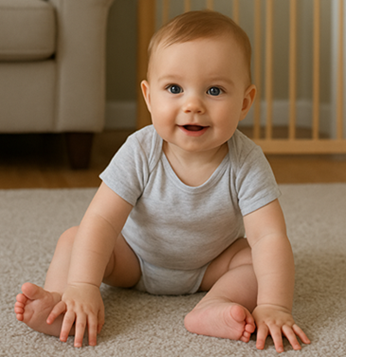 Bringing a baby home is an exciting milestone. It also brings the responsibility of making sure your home is as safe as possible. Babies are curious explorers from the moment they start moving, and even before they crawl, dangers exist in every room. Babyproofing your home is about reducing risks, anticipating hazards, and creating an environment where your child can grow safely. In this comprehensive guide, we will cover step-by-step how to make your home safe for a baby.