by P. Birmingham
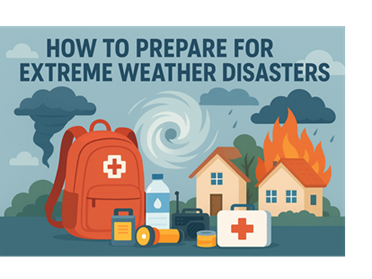 Extreme weather disasters are becoming more frequent and more severe across the globe. From hurricanes and floods to wildfires, blizzards, and heatwaves, communities everywhere are at risk. While we cannot stop nature’s force, we can prepare ourselves, our families, and our communities to better withstand these unpredictable events. Preparedness can make the difference between safety and catastrophe.
This comprehensive guide will walk you through the steps you can take to prepare for extreme weather disasters. By the end, you’ll have a detailed roadmap for protecting your loved ones, your property, and your peace of mind.
Understanding Extreme Weather Events
Before preparing, it’s crucial to understand what “extreme weather disasters” encompass:
-
Hurricanes and Tropical Storms – Bring high winds, storm surge, and heavy rainfall that cause flooding and power outages.
-
Floods – Can occur due to heavy rainfall, dam failures, snowmelt, or storm surges.
-
Wildfires – Often fueled by dry conditions, high winds, and extreme heat.
-
Tornadoes – Extremely violent windstorms capable of destroying homes and infrastructure in minutes.
-
Blizzards and Ice Storms – Bring heavy snow, ice accumulation, and subzero temperatures.
-
Heatwaves – Extended periods of excessive heat that can be deadly, especially for vulnerable populations.
-
Earthquakes and Secondary Disasters – While not weather, earthquakes can trigger landslides, tsunamis, and fires.
Knowing which disasters are most likely in your region is the foundation of preparedness. A family in California faces very different risks than one in Florida or Minnesota.
Step 1: Assess Your Risks
-
Know Your Region’s Vulnerabilities
-
Research historical disasters in your area.
-
Check FEMA flood maps, wildfire hazard zones, or local emergency management websites.
-
Understand Seasonal Patterns
-
Hurricanes typically peak between June and November.
-
Wildfire risk increases during dry, hot summers.
-
Blizzards are most likely between December and March in colder climates.
-
Evaluate Your Home and Neighborhood
-
Is your home in a floodplain or near a body of water?
-
Are there large trees near your house that could fall in storms?
-
Do you live near open land prone to wildfires?
By identifying your most likely risks, you can tailor your preparedness plan more effectively.
Step 2: Create an Emergency Plan
An emergency plan ensures that everyone in your household knows what to do before, during, and after a disaster.
-
Establish Communication Protocols
-
Plan Evacuation Routes
-
Identify multiple exits from your home.
-
Know community evacuation routes.
-
Keep your car fueled at least halfway at all times.
-
Designate Safe Zones
-
A basement or interior room for tornadoes.
-
Higher ground for floods.
-
Pre-arranged shelters for wildfires.
-
Special Considerations
Practice your plan at least once a year so everyone feels comfortable acting quickly in an emergency.
Step 3: Build an Emergency Supply Kit
A well-stocked emergency kit can sustain your family for at least 72 hours when disaster strikes.
Essentials:
-
Water: One gallon per person per day (minimum of three days).
-
Non-perishable food: Ready-to-eat canned goods, granola bars, peanut butter.
-
Manual can opener.
-
First aid kit with necessary medications.
-
Flashlights and extra batteries.
-
Battery-powered or hand-crank radio.
-
Personal hygiene items (soap, sanitizer, feminine products).
-
Multi-tool or basic toolkit.
-
Whistle to signal for help.
Additional Items:
-
Blankets or sleeping bags.
-
Extra clothing and sturdy shoes.
-
Cash in small bills.
-
Copies of important documents (IDs, insurance policies, medical records).
-
Cell phone chargers (including solar or power bank options).
-
Masks, gloves, and sanitation supplies.
Consider keeping smaller kits in your car and workplace.
Step 4: Prepare Your Home
Taking proactive steps to secure your property can reduce damage and improve safety.
-
Hurricanes and Storms
-
Flooding
-
Elevate electrical systems.
-
Install sump pumps with battery backups.
-
Seal basements and move valuables to higher ground.
-
Wildfires
-
Create a defensible space by clearing brush within 30–100 feet of your home.
-
Use fire-resistant building materials when possible.
-
Keep gutters and roofs free of leaves and debris.
-
Winter Storms
-
Insulate pipes to prevent freezing.
-
Have alternative heating sources (wood stove, propane heater).
-
Stock up on rock salt or sand for driveways and walkways.
-
Heatwaves
-
Install reflective window coverings.
-
Use energy-efficient cooling systems.
-
Plant shade trees around your property.
Step 5: Stay Informed
Access to reliable information during a disaster can save lives.
-
Weather Alerts: Sign up for local emergency alerts via text or email.
-
Apps: Use apps from FEMA, Red Cross, or NOAA Weather Radio.
-
Community Networks: Stay connected with neighbors, schools, and local organizations.
-
Backup Power: Consider a generator to keep communication devices charged.
Step 6: Financial and Insurance Preparedness
Disasters often bring significant financial strain. Protecting yourself ahead of time helps reduce the burden.
-
Insurance Coverage
-
Review your homeowner’s or renter’s policy.
-
Add flood or earthquake coverage if you live in high-risk areas.
-
Keep photographic records of belongings.
-
Emergency Fund
-
Aim to save at least three to six months of expenses.
-
Keep a portion in cash, since ATMs may not work during outages.
-
Document Protection
-
Store copies of birth certificates, passports, and deeds in waterproof containers.
-
Consider digital backups in secure cloud storage.
Step 7: Community and Mental Preparedness
Extreme weather doesn’t only affect individuals—it impacts entire communities.
-
Know Your Neighbors
-
Volunteer and Engage
-
Mental Resilience
-
Acknowledge the emotional toll disasters can take.
-
Practice stress management techniques like meditation and exercise.
-
Seek professional help if anxiety or trauma persists.
Step 8: Recovery After a Disaster
Preparation doesn’t end once the storm passes. Knowing how to recover is equally important.
-
Safety First
-
Health Precautions
-
Documenting Losses
-
Seek Assistance
Special Preparedness Considerations
-
Children: Keep comfort items (toys, blankets) in emergency kits. Practice drills in a calm way.
-
Elderly: Ensure access to mobility aids, medications, and specialized care.
-
Disabled Individuals: Plan for transportation and medical needs. Keep a backup power supply for equipment.
-
Pets: Store extra food, leashes, and carriers. Identify pet-friendly shelters.
Long-Term Preparedness
-
Sustainable Habits
-
Education
-
Regular Review
Conclusion
Preparing for extreme weather disasters may feel overwhelming, but small, consistent steps can make all the difference. By assessing your risks, creating a family emergency plan, stocking supplies, fortifying your home, staying informed, and fostering resilience, you significantly increase your chances of weathering the storm—literally.
Disasters are unpredictable, but your response doesn’t have to be. Preparedness is empowerment. The time you invest today can protect your family, safeguard your home, and bring peace of mind for years to come.