Credit card fraud is one of the fastest-growing financial crimes in the world. With the rise of online shopping, digital wallets, and mobile banking, criminals have more opportunities than ever to exploit consumers. Whether it’s a few unauthorized charges or your entire credit line maxed out by a thief, falling victim to credit card fraud can be stressful and financially devastating.
But the good news? You don’t have to be helpless.
In this comprehensive guide, we’ll walk you through everything you need to know about credit card fraud: how it happens, why you’re at risk, and most importantly, how to prevent it. Whether you're a new credit card holder or someone with decades of financial experience, these tips and tools can help you stay one step ahead of fraudsters.
Understanding Credit Card Fraud
Before diving into prevention, it's crucial to understand what credit card fraud is and the common ways it happens.
What is Credit Card Fraud?
Credit card fraud involves unauthorized use of your credit card or card information to make purchases or withdraw funds. It can happen online, in-person, over the phone, or even through data breaches that you have no direct control over.
Types of Credit Card Fraud
Lost or Stolen Cards: A thief uses your physical credit card without your permission.
Card-Not-Present (CNP) Fraud: The criminal uses your credit card details to make online or phone purchases.
Skimming: Devices at ATMs or gas pumps capture your card data.
Phishing: Scammers trick you into giving up your card info through fake emails or websites.
Account Takeover: A fraudster gains access to your account, changes passwords, and locks you out.
Data Breaches: Hackers steal card data from retailers or service providers.
Application Fraud: Someone uses your personal information to apply for a card in your name.
1. Secure Your Devices and Networks
Your first line of defense starts at home — with your phone, computer, and Wi-Fi network.
Use Strong Passwords and Multi-Factor Authentication (MFA)
Passwords should be at least 12 characters and include uppercase, lowercase, numbers, and symbols.
Don’t reuse the same password across accounts.
Use multi-factor authentication (MFA) whenever possible to add an extra layer of protection.
Keep Your Software Updated
Outdated software is a goldmine for hackers. Keep your:
Operating systems
Browsers
Antivirus
Mobile apps
…updated to close security vulnerabilities.
Use a Secure Internet Connection
Avoid logging into banking or credit card accounts over public Wi-Fi. If necessary, use a VPN (Virtual Private Network) to encrypt your connection.
2. Monitor Your Accounts Regularly
Staying vigilant is key. Most fraud is detected by the cardholder — not the bank.
Set Up Alerts
Enable text, email, or app alerts for:
Every purchase
Purchases over a set amount
International or online transactions
These notifications help you spot fraud instantly.
Check Your Statements Weekly
Don’t wait for the monthly bill. Log into your account weekly and scan for:
Small, unrecognized charges (fraudsters often “test” cards)
Repeated charges
Unusual merchants or locations
Report anything suspicious immediately.
Use Mobile Apps
Credit card issuers usually offer apps that allow for real-time monitoring, freezing cards, and disputing charges. Use them.
3. Protect Your Physical Card
Sometimes old-school methods still apply.
Keep Your Card in a Safe Place
Avoid leaving it in your car or on your desk at work.
Don’t hand it over to anyone unless absolutely necessary.
Be Cautious at ATMs and Gas Pumps
Skimming devices can look like part of the machine. Look for:
Loose card slots
Hidden cameras
Keypads that don’t feel right
Use machines located at banks whenever possible — they’re harder to tamper with.
Shred Old Statements
Don't toss old credit card statements, offers, or expired cards into the trash. Shred them to prevent dumpster-diving thieves from stealing your data.
4. Be Smart Online
A majority of credit card fraud now occurs online. Here’s how to shop smart.
Shop Only on Secure Websites
Look for HTTPS in the URL (not just HTTP).
Stick to known, reputable retailers.
Avoid clicking links in unsolicited emails or texts.
Don’t Save Card Info on Websites
It’s convenient, but if the site gets hacked, your data goes with it.
Instead, use:
A digital wallet (like Apple Pay or Google Pay)
A virtual credit card number (many banks offer these)
Use Trusted Payment Platforms
When shopping online, consider using platforms like:
PayPal
Apple Pay
Google Pay
These services don’t reveal your actual card number to merchants.
5. Guard Your Personal Information
Fraudsters often need more than just your card number — they seek your full identity.
Watch Out for Phishing and Social Engineering
Scammers are getting sneakier. They’ll impersonate:
Your bank
A government agency
Retailers you’ve used
Be suspicious of:
Urgent-sounding emails
Unusual payment requests
Links asking you to “verify” your account
Never give out your full card number, CVV, or PIN over the phone or email.
Limit What You Share on Social Media
Avoid sharing:
Birthdate
Mother’s maiden name
Pet names
Vacation dates
Scammers can use this info to reset your passwords or apply for cards in your name.
6. Use Tools That Add Extra Security
Technology can work in your favor.
Enable Card Freezing
Many banks let you instantly freeze and unfreeze your card. This is handy if you:
Misplace your card
Suspect fraud
Just want more control
Use Virtual Credit Card Numbers
A virtual card number is linked to your real credit card but can be used for one-time or limited purchases. This prevents merchants or hackers from accessing your real number.
Get a Credit Monitoring Service
Services like Credit Karma, Experian, or Identity Guard monitor your credit report for:
New accounts
Address changes
Credit inquiries
They alert you to potential identity theft early.
7. Act Fast If Fraud Happens
Even with the best precautions, fraud can still occur. Your response time is critical.
Immediately Notify Your Card Issuer
Most companies have 24/7 fraud departments. Call them the moment you spot:
Unauthorized charges
A lost or stolen card
They’ll freeze your account, issue a new card, and investigate the charges.
File a Police Report (If Necessary)
For significant or ongoing fraud, file a report. It creates a paper trail for:
Your bank
Insurance claims
Credit bureaus
Place a Fraud Alert or Credit Freeze
Contact one of the three major credit bureaus (Equifax, Experian, TransUnion) to place:
Fraud alert: Free and lasts one year. Alerts creditors to verify your identity.
Credit freeze: Blocks access to your credit report, preventing new accounts.
8. Teach Your Family and Employees
If others have access to your card (spouse, teen, employee), educate them too.
Discuss Best Practices
Teach:
How to recognize phishing scams
How to shop safely online
When to notify you of suspicious activity
A weak link in your circle can lead to a security breach.
9. Know Your Rights as a Consumer
Under the Fair Credit Billing Act, you have protections.
You’re only liable for up to $50 in fraudulent charges — often $0 if you report quickly.
Most issuers offer zero liability policies for unauthorized charges.
But these protections rely on your speed and awareness. Don’t delay.
10. Consider Using a Credit Card Over a Debit Card
This may sound odd, but hear us out.
Why Credit is Safer Than Debit
Fraud on debit cards can wipe out your checking account.
Credit card fraud is reported, investigated, and doesn’t affect your cash flow.
Banks often take longer to restore funds to debit accounts.
So, for online purchases or travel, a credit card is often the safer choice.
Final Thoughts: Prevention is Power
Credit card fraud can affect anyone. It doesn’t matter how smart, tech-savvy, or cautious you are — thieves are always developing new tricks. But that doesn’t mean you’re defenseless.
The key is layered security:
Strong digital hygiene
Regular account monitoring
Quick reaction to red flags
Awareness of the latest scams
Make credit card security a habit, not a reaction.
By applying the tips in this guide, you significantly reduce your risk and protect not just your credit — but your peace of mind.
Need a Quick Checklist?
Here's a 10-second summary to pin on your wall:
Use strong, unique passwords
Enable transaction alerts
Shop only on secure sites
Never share card info via email or text
Freeze card if suspicious activity arises
Monitor accounts weekly
Shred old statements
Use virtual card numbers
Don’t use public Wi-Fi for banking
Teach your family the rules
Stay Safe and Secure
Owning a credit card offers convenience, rewards, and purchasing power — but it also comes with responsibility. Protect yourself, stay informed, and treat your credit card like cash. Because once it’s gone, it takes time and effort to get back.
Have you ever been a victim of credit card fraud? What steps helped you recover or prevent it from happening again? Share your story in the comments — you might help someone else stay safe.
About Author:P. Birmingham founded Stunster.com in 2007 and has nearly two decades of hands-on experience with non-lethal self-defense tools, including TASER® devices, stun guns, pepper sprays and pepper guns. He works directly with distributors to ensure products meet high standards of reliability and usability. His mission is to help everyday people understand personal defense technology and make confident, informed choices.



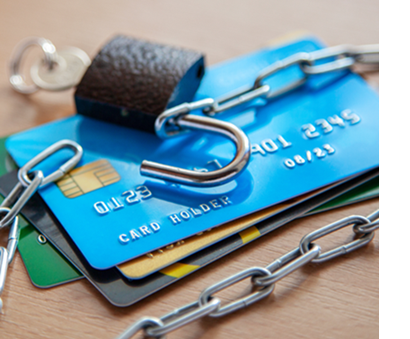 Credit card fraud is one of the fastest-growing financial crimes in the world. With the rise of online shopping, digital wallets, and mobile banking, criminals have more opportunities than ever to exploit consumers. Whether it’s a few unauthorized charges or your entire credit line maxed out by a thief, falling victim to credit card fraud can be stressful and financially devastating.