by P. Birmingham
 The year 2026 presents a new and evolving set of challenges for families in the United States. While many of the risks people face today are familiar, the way those risks appear and the speed at which they develop have changed significantly. Technology, social instability, economic uncertainty, public safety concerns, and natural disasters all play a role in shaping how families must think about protection and preparedness.
Protecting yourself and your family in 2026 is not about fear or extreme measures. It is about awareness, planning, and layered protection. Families that think ahead, understand their environment, and build practical systems are far better equipped to handle both everyday risks and unexpected emergencies. This guide outlines a comprehensive approach to family safety that covers physical security, digital protection, emergency preparedness, legal awareness, financial security, and personal resilience.
Understanding the Modern Risk Environment
Safety risks in the United States are no longer limited to one category. Families must now consider a broader spectrum of threats that include crime, cybercrime, public violence, severe weather, infrastructure disruptions, and identity theft.
Public spaces such as schools, shopping centers, offices, and entertainment venues continue to face security challenges. At the same time, criminals increasingly target individuals through online platforms, exploiting personal data, financial information, and even artificial intelligence tools to commit fraud. Natural disasters such as hurricanes, floods, wildfires, and extreme heat events also affect more regions each year, making emergency readiness essential even for families that previously felt insulated from such risks.
The key to navigating this environment is not trying to eliminate risk entirely, which is impossible, but reducing exposure and improving response capability.
Making Your Home a Secure Foundation
Your home is the most important layer of protection for your family. A secure home discourages crime, provides shelter during emergencies, and serves as a base for recovery after disruptions.
Start with basic physical security. Strong exterior doors, quality locks, and properly secured windows are essential. Reinforced door frames and deadbolts significantly reduce the likelihood of forced entry. Motion-activated exterior lighting removes dark hiding spots and increases visibility at night. Landscaping should be maintained so that bushes and trees do not block sightlines around doors and windows.
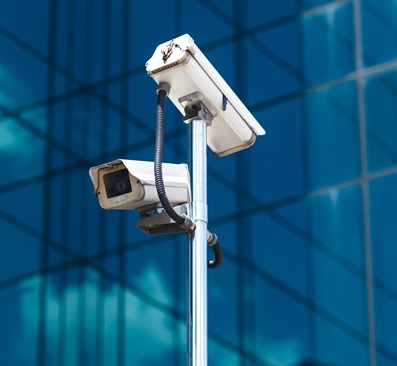
Home security systems add another layer. Alarm systems, cameras, and monitoring services act as both deterrents and early warning tools. Modern systems allow homeowners to monitor activity remotely and receive alerts in real time. Even simple systems can make a meaningful difference in response time during an emergency.
Families should also establish internal safety routines. Everyone in the household should know how to lock down the home quickly, where to go if someone tries to enter forcibly, and how to contact emergency services. Children should understand basic rules such as not opening doors for strangers and what to do if they hear alarms.
Legal Awareness and Self-Defense Considerations
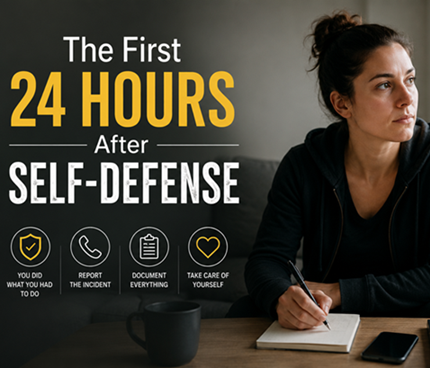
Self-defense is a serious topic that requires both responsibility and knowledge. Laws governing self-defense vary by state, and misunderstanding them can have serious consequences.
Some states allow individuals to defend themselves without retreating when they feel threatened, while others require an attempt to retreat when safely possible outside the home. Inside the home, individuals generally have stronger legal protections, but even then, the use of force must be proportional and justified.
Families considering defensive tools, whether non-lethal or lethal, should invest time in training and legal education. Safe storage is critical, especially in homes with children. Defensive preparation should always focus on avoiding conflict first and responding only when no reasonable alternatives exist.
Digital Safety in a Highly Connected World
Digital security is now inseparable from personal and family safety. Most households rely on smartphones, computers, smart TVs, home assistants, and wearable devices. Each connected device can be a potential entry point for cybercriminals.
Basic digital hygiene remains one of the most effective defenses. Strong, unique passwords for each account prevent attackers from exploiting reused credentials. Password managers help families manage complexity without sacrificing security. Multi-factor authentication adds another barrier by requiring a second verification step.
Families should remain cautious about emails, text messages, and phone calls requesting personal or financial information. Scammers increasingly use realistic messages, voice cloning, and fake videos to impersonate trusted contacts or institutions. Teaching children and older family members how to recognize suspicious communication is essential.
Regular software updates should never be ignored. Updates often fix security vulnerabilities that criminals actively exploit. Devices that are no longer supported by manufacturers should be replaced, especially if they handle sensitive data.
Privacy settings on social media deserve special attention. Oversharing information such as daily routines, locations, travel plans, or children’s schedules can unintentionally expose families to risk. Limiting public visibility and teaching children responsible online behavior reduces exposure.
Emergency Preparedness and Family Planning
Preparedness is not about expecting disaster; it is about being ready when disruption occurs. Families that plan ahead experience less panic and recover more quickly.
Every household should have a written emergency plan. This plan should identify meeting locations if family members are separated, communication methods if phones fail, and evacuation routes for different scenarios. Medical needs, including prescriptions and special care requirements, should be clearly documented.
Emergency supplies should be practical and accessible. Water, non-perishable food, first-aid supplies, flashlights, batteries, and basic tools form the foundation. Copies of important documents and some emergency cash should be stored securely in case electronic systems are unavailable.
Practicing emergency scenarios helps ensure that plans work under stress. Fire drills, severe weather sheltering, and evacuation rehearsals do not need to be frequent, but they should be realistic. Children should know what alarms mean and how to respond without fear.
Financial and Identity Protection
Financial stability plays a major role in overall family security. Identity theft, fraud, and financial scams can disrupt lives just as severely as physical threats.
Protect personal information by securing mail, shredding sensitive documents, and being cautious with forms that request personal data. Monitoring bank statements and credit reports allows families to detect suspicious activity early.
Freezing or restricting credit can prevent criminals from opening accounts in your name. While this adds a small inconvenience, it offers strong protection against identity theft.
Insurance coverage should be reviewed regularly. Homeowners or renters insurance should reflect current property values and risks. Emergency funds should be maintained to cover unexpected expenses without forcing high-interest borrowing during crises.
Situational Awareness and Community Connection
Personal awareness remains one of the most effective safety tools. Being alert to surroundings, minimizing distractions in public, and trusting instincts can help avoid dangerous situations.
Routine variation also matters. Predictable schedules make individuals easier to target. Small changes in timing and routes can reduce vulnerability without disrupting daily life.
Community connections strengthen safety. Knowing neighbors, participating in local groups, and looking out for one another increases overall security. In emergencies, communities that communicate and cooperate recover faster than those that remain isolated.
Physical Health and Mental Readiness
Physical fitness and mental resilience directly affect how well individuals respond to stress and emergencies. Strength, endurance, and mobility improve the ability to escape danger or assist others. Mental preparedness helps individuals remain calm and make rational decisions under pressure.
Stress management, adequate sleep, and healthy routines support both physical and psychological readiness. Families should also recognize the importance of discussing safety topics openly without creating anxiety, especially with children.
Educating Children and Teenagers
Children are capable of understanding safety concepts when they are taught in age-appropriate ways. They should know their address, emergency phone numbers, and basic rules for interacting with strangers. As children grow, they should be included in discussions about online safety, scams, and privacy.
Teenagers benefit from education about digital footprints, financial responsibility, and situational awareness. Involving them in family planning fosters responsibility and confidence.
Avoiding Extremes and Maintaining Balance
Preparedness should enhance life, not dominate it. Excessive fear, hoarding, or constant vigilance can be emotionally draining and counterproductive. The goal is balance: reasonable preparation combined with normal daily living.
Families should periodically review their plans and adjust them as circumstances change, but avoid obsessing over worst-case scenarios. Confidence comes from readiness, not fear.
Conclusion
Protecting yourself and your family in the United States in 2026 requires a thoughtful, layered approach. Physical security, digital safety, legal awareness, emergency preparedness, financial protection, community connection, and personal resilience all work together to reduce risk and improve outcomes.
No plan can eliminate uncertainty, but preparation transforms uncertainty into manageable challenges. Families that invest time in awareness, education, and planning are better positioned to protect what matters most while continuing to live full, confident lives.