02/16/2025
by P. Birmingham
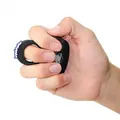
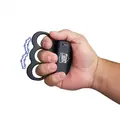
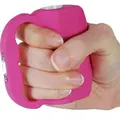
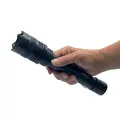
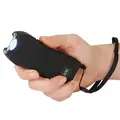
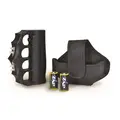
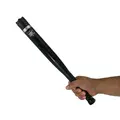
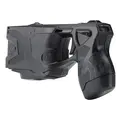
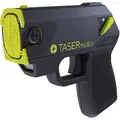
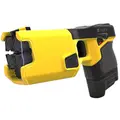
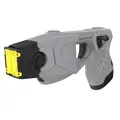
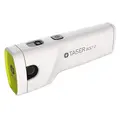
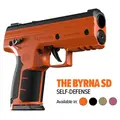
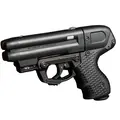
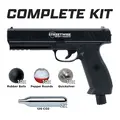
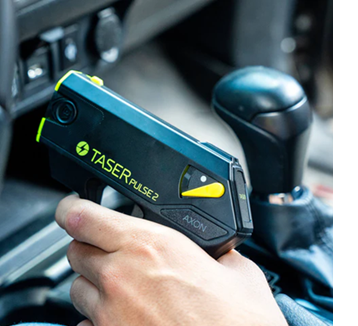 In today’s world, personal safety is a top priority, and Tasers have emerged as one of the most reliable non-lethal self-defense tools. However, their effectiveness depends on choosing the right model, understanding its mechanics, and mastering safe deployment. This updated guide covers four top-rated Tasers for 2025—the Taser Pulse 2, Taser X1, Taser Bolt 2, and Taser 7CQ—to help you make an informed decision and stay protected.
Understanding Tasers: How They Work
Tasers use compressed nitrogen to fire two barbed probes connected by conductive wires, delivering a high-voltage electrical pulse (50,000 volts) to disrupt an attacker’s neuromuscular system. This causes temporary paralysis, giving you time to escape. Unlike stun guns, Tasers work at a distance (up to 30 feet for some models) and are designed to minimize lethal risk.
Key components include:
-
Cartridge: Holds probes and nitrogen for deployment.
-
Safety switch: Prevents accidental discharge.
-
Contact stun mode: Allows close-range use if probes miss.
Legal Considerations
Taser laws vary by state and country. As of 2025:
-
50 U.S. states allow civilian ownership, but some (e.g., Michigan, Illinois, Massachusetts) require permits.
-
Prohibited areas: Schools, government buildings, and airports often ban Tasers.
-
Use restrictions: Legal only in self-defense scenarios where imminent danger exists.
Always verify local laws before purchasing or carrying a Taser.
Choosing the Right Taser for Your Needs
Here’s a breakdown of 2025’s top models:
-
Range: 15 feet.
-
Weight: 1.2 lbs (compact).
-
Key Features:
-
Bluetooth-enabled for tracking via smartphone.
-
30-second NMI and contact stun mode.
-
Discreet design with belt clip for easy concealment.
-
Best For: Joggers, commuters, discreet protection.
Training Essentials
Proper training ensures safety and effectiveness:
-
Practice Deployment:
- Master reloading the 7CQ’s dual-shot system and the X1’s power magazines .
-
Aim for Key Zones:
-
Target the torso or pelvis for optimal probe spread.
-
Avoid the head, neck, or chest (risk of injury from probes).
-
Situational Drills:
Step-by-Step Deployment Guide
-
Assess the Threat:
-
Activate Safety & Aim:
-
Disengage the safety switch and align the laser sight (Pulse 2, X1, Bolt 2).
-
For the 7CQ, use its angled grip for stability.
-
Fire and Retreat:
-
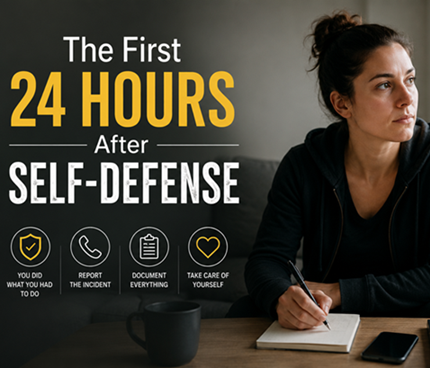
Post-Incident Actions:
Safety Tips and Mistakes to Avoid
Do’s
-
Maintain your Taser: Replace cartridges annually and test batteries monthly.
-
Store securely: Use the X1’s lockable case or Bolt 2’s concealed clip.
-
Pair with pepper spray: A backup tool if the Taser fails.
Don’ts
-
Use on restrained individuals: This risks legal liability.
-
Ignore clothing barriers: Thick jackets can block probes; aim for legs if needed.
-
Overestimate range: The 7CQ’s 12-foot range requires closer proximity.
Ethical and Legal Aftermath
-
Document everything: Save app data (Bolt 2/X1) and witness contacts.
-
Cooperate with police: Provide the Taser’s serial number and incident details.
-
Avoid retaliation: Once the threat is neutralized, disengage.
Conclusion: Match Your Needs to the Right Tool
-
Pulse 2: Best for everyday carry.
-
X1: Ideal for home defense.
-
Bolt 2: Perfect for active lifestyles.
-
7CQ: Reliable in close quarters.
By combining the right Taser with training and legal awareness, you can defend yourself responsibly. Remember: “A Taser is only as effective as the person wielding it.”