by P. Birmingham
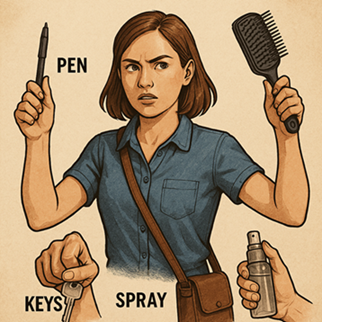 Self-defense is a crucial skill in today’s unpredictable world. While martial arts training and carrying dedicated self-defense tools like pepper spray or tactical flashlights are excellent options, not everyone has access to them at all times. That’s where the power of improvisation comes in. Everyday items around you can be repurposed into effective self-defense tools if you know how to use them. In this blog post, we'll explore how to turn ordinary objects into life-saving instruments, the mindset required to do so, and practical tips for ensuring your safety with what's readily available.
The Self-Defense Mindset: Awareness and Adaptability
Before diving into specific items, it's important to understand that successful self-defense isn't just about tools — it's about mindset. Awareness of your surroundings and adaptability to situations are your first lines of defense. If you train yourself to identify potential threats and remain calm under pressure, you'll be more effective at using any object as a defensive weapon.
Your goal in any threatening situation is to create an opportunity to escape. The improvised weapon is not for prolonged combat but to disable or distract your attacker just long enough to get away.
Common Items That Can Be Used for Self-Defense
1. Keys
Keys are one of the most accessible self-defense items. Held properly, they can be used as a striking tool to inflict pain on an assailant.
How to use:
-
Hold the key between your fingers like a knuckle-duster, or grip a single key protruding from your fist.
-
Aim for vulnerable areas such as the eyes, throat, or groin.
-
Use swift, stabbing motions.
Some keychains even come with built-in self-defense tools like kubotans or mini-flashlights.
2. Pens and Pencils
A sturdy pen or pencil can be a formidable improvised weapon, especially models made of metal or hard plastic.
How to use:
-
Grip the pen firmly in an ice-pick grip (pointing downwards).
-
Target soft tissues like the neck, throat, eyes, or underarms.
-
A jab to these areas can provide enough shock for you to escape.
Tactical pens designed specifically for self-defense can double as writing instruments and glass breakers.
3. Umbrellas
An umbrella isn't just for rain protection; it can serve as an effective striking weapon.
How to use:
-
Swing the umbrella like a bat to strike the assailant.
-
Jab the pointed end into the stomach, groin, or throat.
-
Use the shaft to block attacks or push the attacker away.
Some umbrellas are designed for self-defense and can withstand high impact without breaking.
4. Belts
A belt can be a versatile self-defense tool, particularly those with heavy buckles.
How to use:
-
Swing the belt to strike at the face or hands of the attacker.
-
Wrap it around an assailant’s limb to control or disarm them.
-
Use it to create distance between you and the attacker.
In confined spaces, the belt can be used to entangle or trip the assailant.
5. Bags and Purses
A loaded bag or purse can serve as a blunt weapon.
How to use:
-
Swing the bag forcefully at the attacker’s head or torso.
-
If the bag has straps, use it to maintain distance.
-
Items inside (like books or water bottles) can add to the impact.
Some purses come with anti-theft features that can aid in self-defense, like reinforced straps.
6. Flashlights
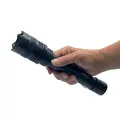
A heavy-duty flashlight, especially a tactical one, is both a light source and a self-defense tool.
How to use:
-
Use the beam to temporarily blind the attacker.
-
Strike with the bezel or handle.
-
Aim for the face, hands, or knees.
Many tactical flashlights are built with jagged bezels designed for striking.
7. Hot Beverages
A hot cup of coffee or tea can be an effective deterrent.
How to use:
This tactic can be particularly useful in coffee shops or restaurants.
8. Scarves and Jackets
A scarf or jacket can be used to block attacks or entangle an opponent.
How to use:
-
Use it to shield against knife attacks.
-
Wrap it around the attacker's limb or neck to gain control.
-
Swing it to distract the assailant.
Thicker fabrics provide better protection and leverage.
9. Books and Magazines
A rolled-up magazine or book can function as a makeshift baton.
How to use:
-
Roll a magazine tightly and strike like a baton.
-
Target sensitive areas like the nose, throat, or temple.
-
Books with hard covers are especially effective for blunt force.
This is an excellent option if you find yourself in a waiting room or library.
10. Chair
A chair can be a powerful defensive barrier, especially in confined spaces.
How to use:
-
Hold it between you and the attacker to maintain distance.
-
Use the legs to jab or push the assailant.
-
In extreme cases, swing the chair to strike.
This technique is reminiscent of classic animal taming tactics.
Psychological Advantage of Using Improvised Tools
Using everyday items as weapons provides a psychological edge. The element of surprise can catch an attacker off guard. They expect fear and compliance, not resistance, especially with improvised tools.
Additionally, by showing assertiveness and intent to fight back, you may deter an attacker altogether. Most predators seek easy victims, and demonstrating resistance might make them reconsider.
Practical Tips for Using Everyday Objects for Self-Defense
-
Practice Awareness: Regularly scan your surroundings for potential improvised weapons. Whether you're at a park, cafe, or on public transport, mentally note objects that could aid in defense.
-
Grip and Posture: Ensure a firm grip on any object you intend to use. Stand in a balanced posture to avoid getting easily knocked over.
-
Target Vulnerable Areas: The eyes, throat, groin, knees, and solar plexus are all effective targets to incapacitate an attacker.
-
Commit to Action: Hesitation can be dangerous. If you decide to fight back, do so decisively.
-
Escape is the Goal: The objective isn't to win a fight but to create a window for escape. Always prioritize getting to safety over engaging longer than necessary.
-
Train If Possible: Some self-defense classes teach the use of improvised weapons. Even basic martial arts or self-defense training can improve your confidence and capability.
-
Legal Considerations: Be aware of the legal implications of using force in your area. Self-defense is generally justified when there's an imminent threat, but excessive force can have legal consequences.
Self-Defense Scenarios and Item Utilization
-
Public Transport: Use pens, keys, or a tightly rolled magazine.
-
At a Restaurant: Cutlery, glass bottles, or hot drinks.
-
Office Setting: Scissors, staplers, or heavy books.
-
Street or Park: Rocks, sticks, or a belt.
-
At Home: Kitchen utensils, chairs, or lamps.
Final Thoughts: Stay Resourceful and Prepared
Self-defense is not about carrying an arsenal of weapons but about being resourceful and prepared. By understanding how to use everyday objects for protection, you empower yourself to respond effectively to danger, even in the most mundane settings.
Remember, the best defense is always awareness and avoidance. However, should you find yourself in a compromised position, the everyday items around you could very well be the tools that help you escape unharmed.
Stay safe, stay alert, and stay prepared.