by P. Birmingham
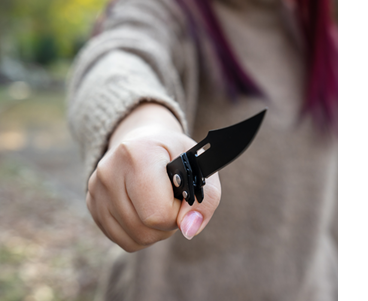 In a world where personal safety concerns are at an all-time high, many people seek ways to protect themselves from potential threats. Among the variety of self-defense tools available, some individuals consider carrying a knife as a means of personal protection. Knives are accessible, easy to conceal, and undeniably effective in close-quarters combat. However, it is crucial to understand that carrying a knife for self-defense is not the same as carrying a non-lethal deterrent like pepper spray or a personal alarm.
Both from a legal and practical perspective, a knife is considered a lethal weapon. This classification carries significant implications, not just in terms of how the law views such weapons, but also in the real-world consequences of using a knife in a self-defense scenario. In this blog post, we’ll explore the legal status of carrying a knife for self-defense, the practical dangers it presents, the moral and social implications, and safer alternatives for personal protection.
Understanding the Legal Classification of Knives as Weapons
What Makes a Weapon "Lethal"?
A lethal weapon, also known as a deadly weapon, is any object designed to inflict serious bodily harm or death. While some weapons are inherently designed to kill (such as firearms), others — like knives — have utilitarian purposes but can easily become deadly in violent situations.
When it comes to legal definitions, intent and context matter. A kitchen knife used in cooking is just a tool. However, a knife carried in your pocket for the purpose of defending yourself against an attacker is almost universally viewed by courts and law enforcement as a deadly weapon.
Knife Laws Vary By Jurisdiction
Laws surrounding the carrying, concealment, and use of knives vary drastically across countries, states, and even cities. In many places, the legality of carrying a knife is determined by factors such as:
-
Blade length
-
Type of knife (e.g., switchblade, butterfly knife, fixed blade)
-
Whether it is concealed or openly carried
-
Intent of carrying (utility vs. self-defense)
For example, in the United States:
-
New York: Strict knife laws prohibit certain types of knives, and carrying any knife "with intent to use unlawfully against another" can result in criminal charges.
-
California: Allows the open carry of knives with fixed blades under certain lengths, but concealed carry is often illegal.
-
Texas: Allows adults to carry large knives but using them in a fight may be legally classified as using deadly force.
Meanwhile, in countries like the United Kingdom, carrying any knife in public without "good reason" (such as for work or religious purposes) is generally illegal.
Self-Defense vs. Deadly Force
Most legal systems recognize the right to self-defense. However, using a knife in a confrontation often escalates the situation to a deadly force encounter. To legally justify the use of deadly force in self-defense, you usually must prove:
-
You were under immediate threat of death or serious injury.
-
You had no reasonable means to escape or avoid the threat.
-
Your response was proportional to the threat.
Failing to meet these conditions can result in criminal charges such as aggravated assault, manslaughter, or even murder.
The Practical Risks of Carrying a Knife for Self-Defense
1. Escalation of Violence
Carrying a knife may create a false sense of security, but it also significantly increases the chances that a confrontation will escalate into a deadly encounter. If you pull a knife on an assailant, they may:
2. Lack of Training
Most civilians are not trained in knife combat, which is a highly specialized skill even among military and law enforcement professionals. Using a knife effectively in a high-stress situation requires:
Without training, wielding a knife is just as likely to backfire as it is to protect you.
3. Legal Consequences Even When Justified
Even if you successfully fend off an attacker with a knife and survive the encounter, you are almost certain to face:
Courts may scrutinize your intent, your prior actions, and whether you carried the knife looking for a fight rather than as a last resort for defense.
4. Public Perception and Jury Bias
If your case goes to trial, a jury's perception of someone using a knife can be highly prejudicial. Knives evoke visceral images of brutality, and many jurors may unconsciously view knife users as aggressors rather than victims, regardless of the circumstances.
Ethical and Moral Considerations
Carrying a knife with the intention to use it against another human being raises serious ethical questions. Self-defense should ideally be about:
-
De-escalation
-
Escape
-
Non-lethal deterrence
Once a knife is involved, the likelihood of permanent injury or death becomes unacceptably high. Is it morally justifiable to risk ending someone’s life, even in the name of self-defense, when less lethal alternatives exist?
Safer Alternatives for Self-Defense
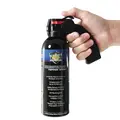
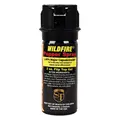
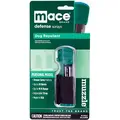
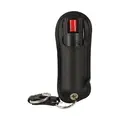
1. Pepper Spray / OC Spray
2. Personal Alarms
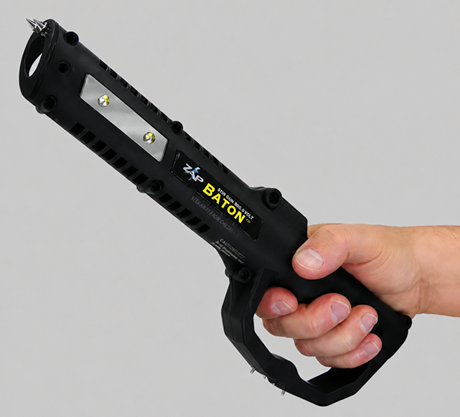
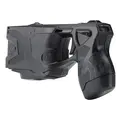
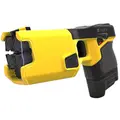
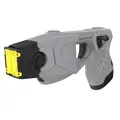
3. Tasers and Stun Guns
-
Some jurisdictions allow civilians to carry stun devices
-
Can incapacitate without causing fatal injuries
-
Requires close-range use, but still less risky than a knife
4. Self-Defense Classes
5. Improvised Weapons
Situational Awareness: The First Line of Defense
The best defense is often prevention. Staying aware of your surroundings, avoiding risky areas, and trusting your instincts are critical components of personal safety. Developing habits such as:
can prevent many potential threats before they escalate.
Final Thoughts
While the idea of carrying a knife for self-defense might seem practical to some, the reality is layered with legal complexities, practical risks, and moral consequences. From a legal standpoint, a knife is a deadly weapon, and using it in self-defense can expose you to significant legal jeopardy, even if you were genuinely trying to protect yourself.
From a practical standpoint, most civilians are ill-prepared to use a knife effectively, and its presence can escalate situations into deadly encounters rather than diffusing them.
Ultimately, the smartest approach to self-defense involves:
By opting for these strategies, you can enhance your safety without carrying the heavy burden—legally, morally, and psychologically—of a lethal weapon like a knife.
See the prices of our knives.
Disclaimer: This blog post is for informational purposes only and should not be taken as legal advice. Always consult local laws and legal counsel if you are considering any form of self-defense or weapon possession.
Related Articles