Motorcycle Safety in America: Staying Alive on Two Wheels
10/14/2025
by P. Birmingham
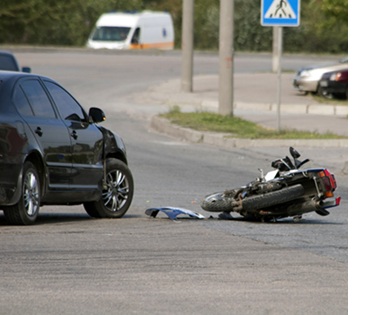
Motorcycles are a symbol of freedom, adventure, and efficiency on American roads. They attract riders of every background — from young thrill-seekers to seasoned commuters who appreciate the low cost and agility of two-wheel travel. But riding a motorcycle also means accepting a much higher level of risk than driving a car. The same openness that gives a sense of freedom also removes nearly all physical protection. A split-second mistake or another driver’s inattention can have devastating consequences.
In the United States, motorcycle safety continues to be a major public concern. While overall traffic fatalities have decreased in some years, deaths among motorcyclists have remained stubbornly high. Data show that riders are over-represented in crash statistics compared with their share of total vehicles. Understanding why these accidents happen — and how to reduce them — is critical for riders, policymakers, and all road users.
Motorcycle Accident Statistics in the U.S.
Fatalities: In 2023 there were 6,335 motorcyclist deaths in U.S. traffic crashes, a small increase from the year before.
Disproportionate risk: Motorcyclists represent about 15% of all traffic deaths but make up only 3% of registered vehicles.
Fatality rate: The rate of death for motorcyclists was 31.39 per 100 million vehicle-miles traveled, compared with 1.13 for passenger cars.
Injuries: An estimated 82,687 motorcyclists were injured in 2022 crashes.
State variation: Florida (668), California (634), and Texas (564) recorded the most fatalities.
Helmet use: In states with universal helmet laws, only 9% of motorcyclist fatalities were unhelmeted; in states without, about 55% were.
Youth risk: Among riders aged 15–20, deaths rose 44% from 2022 to 2023.
These numbers show that motorcycle crashes remain a persistent and severe public-safety issue. Even as vehicle technology improves, the physics of riding without a steel frame means motorcyclists will always face higher vulnerability.
Why Motorcycle Crashes Happen
Limited protection
A motorcycle provides no external barrier. Even with good gear, a fall or impact with another vehicle exposes the rider directly to the ground or hard objects. Injury severity increases with speed and collision angle.
Visibility problems
Many car drivers simply do not see motorcycles. Their smaller size and narrow profile make them easy to miss, especially in blind spots or when a driver is distracted. Most multi-vehicle crashes occur when a car turns left in front of an oncoming motorcycle.
Excessive speed and risky behavior
Speeding shortens reaction time and multiplies crash energy. Some riders underestimate braking distance or overestimate control in corners. Impulsive passing and weaving through traffic compound the danger.
Alcohol and drug impairment
Roughly one-third of motorcyclists killed in crashes have alcohol impairment. Substances slow reaction time, blur judgment, and affect balance — all critical for safe riding.
Inconsistent helmet use
Head injuries remain the leading cause of death in motorcycle crashes. States without universal helmet laws show far higher fatality rates. Even among helmet users, non-certified or damaged helmets greatly reduce protection.
Licensing and experience gaps
A surprising number of riders involved in fatal crashes lack valid motorcycle licenses. Formal training programs teach defensive habits, braking technique, and hazard awareness that casual riders often never learn.
Road and weather conditions
Potholes, gravel, wet pavement, and sudden curves create hazards that car drivers might ignore but which can send a motorcycle out of control. Wind and rain also reduce visibility and traction.
How Riders Can Protect Themselves
Wear proper gear every ride
A DOT-approved helmet is non-negotiable. Combine it with gloves, armored jacket, abrasion-resistant pants, and sturdy boots. High-visibility colors or reflective stripes increase visibility both day and night.
Stay visible and predictable
Ride where others can see you — not hidden beside trucks or in blind spots. Keep headlights on, signal early, and make lane changes deliberate. At intersections, assume cars might turn across your path.
Continuous training
Take a Motorcycle Safety Foundation (MSF) or state-approved course. These teach emergency braking, counter-steering, and evasive maneuvers. Even veteran riders benefit from refreshers that correct bad habits.
Ride defensively
Expect that drivers might not see you. Keep a two-second or greater following distance. Avoid aggressive behavior and leave space to escape if traffic stops suddenly.
Maintain your bike
Inspect tires, brakes, lights, and fluids before every ride. Proper tire pressure and tread depth make a critical difference in cornering and braking. Address mechanical issues immediately.
Avoid impairment and fatigue
Never ride under the influence. Fatigue can be just as dangerous, slowing reaction times and impairing focus. Stop for breaks on long rides.
Plan ahead
Check weather forecasts, traffic patterns, and road conditions. Avoid night riding in poorly lit areas if possible. Map out fuel stops and rest points to stay alert.
System-Level Factors That Improve Motorcycle Safety
Helmet and protective gear laws
States with universal helmet laws consistently show fewer deaths and head injuries. Enforcing gear standards and educating riders on proper fit and certification are proven lifesavers.
Licensing standards and education
Mandatory rider-training courses before licensing improve skills and awareness. Graduated licensing systems — similar to those for young car drivers — can ensure new riders gain experience safely.
Road design and maintenance
Smooth surfaces, clear lane markings, and visible signage matter. Removing debris, fixing potholes, and adding rumble strips where appropriate can reduce crashes. Well-designed guardrails can prevent deadly slides.
Law enforcement and policy
Strict enforcement against impaired driving, speeding, and distracted driving protects everyone. Targeting high-risk zones for patrols and awareness campaigns reinforces good habits.
Driver awareness campaigns
Programs like “Share the Road” remind car drivers to look twice at intersections and check mirrors for motorcycles. Public messaging can shift driver behavior and save lives.
Emergency response improvements
Quick medical care determines survival odds. Rural crashes are often more fatal due to delayed response. Investments in trauma networks and GPS-assisted dispatch can cut lifesaving minutes.
Real-World Scenarios
Left-turn collisions: The most common multi-vehicle crash. A car turns left as a motorcycle approaches. Defensive tip — reduce speed, position yourself for maximum visibility, and cover the brakes approaching intersections.
Loss of control on curves: Entering a corner too fast causes target fixation or crossing the centerline. Tip — slow before the curve, look through the turn, and use smooth throttle control.
Nighttime riding: Limited lighting hides obstacles and makes riders less visible. Tip — wear reflective gear, clean your visor, and avoid overdriving your headlights.
Bad weather: Wet or icy roads cut traction sharply. Tip — increase following distance, avoid sudden inputs, and postpone riding if storms or high winds are expected.
Technology and Innovation in Rider Safety
Anti-lock braking systems (ABS): Proven to reduce fatal crash involvement by about 31%. Prevent wheel lockup during emergency stops.
Traction and stability control: Helps manage throttle response and prevents loss of grip, especially on wet surfaces.
Airbag jackets and vests: Wearable airbags deploy in milliseconds upon impact, cushioning the torso and neck.
Smart helmets: Integrate rear-view cameras, heads-up displays, and communication systems for situational awareness.
Vehicle-to-everything (V2X) technology: Future systems may allow motorcycles to communicate their position to nearby cars, reducing “didn’t see you” crashes.
Building a Culture of Safety
Motorcycle safety is not only about rules and technology but also about mindset. Experienced riders often say, “Dress for the slide, not for the ride.” The best defense is respect for physics and humility about vulnerability. A responsible rider assumes that every other vehicle might make a mistake and rides accordingly.
Communities and clubs can also promote good habits through mentorship. Group rides with safety briefings, visibility gear requirements, and structured formation riding reduce accidents. Social influence can normalize safety rather than recklessness.
Conclusion
Motorcycling will always carry risk, but that risk can be managed. Awareness, preparation, and discipline are the keys.
Every fatality statistic represents a person — a family member, a friend, a fellow enthusiast. The difference between tragedy and safe arrival often comes down to one decision: wearing a helmet, slowing down, or staying sober.
Governments must enforce sensible laws and maintain safe infrastructure. Drivers must stay alert and share the road responsibly. Riders must protect themselves with training, gear, and awareness. When all three align, the open road becomes far less dangerous for everyone.
Meta Description: Comprehensive 2025 guide to motorcycle safety in the United States. Covers updated crash statistics, causes, prevention tips, laws, gear, and future technologies to keep riders safe.
About Author:P. Birmingham founded Stunster.com in 2007 and has nearly two decades of hands-on experience with non-lethal self-defense tools, including TASER® devices, stun guns, pepper sprays and pepper guns. He works directly with distributors to ensure products meet high standards of reliability and usability. His mission is to help everyday people understand personal defense technology and make confident, informed choices.



 Motorcycles are a symbol of freedom, adventure, and efficiency on American roads. They attract riders of every background — from young thrill-seekers to seasoned commuters who appreciate the low cost and agility of two-wheel travel. But riding a motorcycle also means accepting a much higher level of risk than driving a car. The same openness that gives a sense of freedom also removes nearly all physical protection. A split-second mistake or another driver’s inattention can have devastating consequences.