by P. Birmingham
 A Morning Run, An Unforeseen Threat
The crisp morning air, the rhythm of your feet hitting the pavement, the quiet solitude before the city fully awakens – these are the simple joys that draw countless individuals to early morning jogs in parks and along neighborhood streets. For a woman in Houston’s Memorial Park on the morning of February 7, 2024, this routine was brutally interrupted by the chilling reality of a physical assault. What could have been a devastating tragedy, however, was averted by the quick thinking and preparedness of the victim, who utilized a non-lethal self-defense tool – pepper spray – to fend off her attacker and escape unharmed.
This incident, though thankfully resulting in a positive outcome for the victim, sends a stark reminder about the potential dangers that can lurk even in seemingly safe environments. It also shines a critical light on the importance of personal safety measures and the role that non-lethal self-defense weapons can play in empowering individuals, particularly those who may be more vulnerable to attack. While the debate surrounding firearms and self-defense often dominates public discourse, the Houston case underscores the value and accessibility of less-lethal options for those seeking to protect themselves without resorting to deadly force.
The Houston Incident: A Case Study in Preparedness
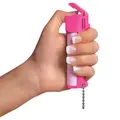
The details of the Houston incident, as reported by KHOU 11, paint a terrifying picture. A woman, engaged in a routine morning jog, was suddenly grabbed from behind by an unknown male assailant. In that moment of sheer terror, her instincts and preparedness kicked in. Carrying pepper spray, a readily available and legal non-lethal self-defense tool in many jurisdictions, she deployed it effectively against her attacker. The potent irritant caused the assailant to immediately release her and flee the scene. Thanks to her quick action and the effectiveness of the pepper spray, the woman was able to escape without physical injury, a testament to the potential of such devices to de-escalate a dangerous situation and provide a window of opportunity for escape.
Beyond Houston: The Wider Impact of Non-Lethal Defense
This event is not an isolated anomaly. While comprehensive statistics on the successful defensive use of non-lethal weapons are difficult to compile due to underreporting and the nature of such incidents, anecdotal evidence and local news reports frequently highlight instances where individuals have used pepper spray, personal alarms, stun guns, or other less-lethal tools to deter attackers, escape harm, and protect themselves from potential violence. These stories, often overshadowed by more sensationalized crime narratives, are crucial in understanding the real-world impact and value of non-lethal self-defense options.
The significance of non-lethal weapons extends beyond just providing a means of escape during an attack. Their very existence and the knowledge that potential victims may be carrying them can act as a deterrent. An assailant may be less likely to target someone who they suspect might be equipped to defend themselves, even if that defense is non-deadly. Furthermore, for individuals who are ethically opposed to using lethal force or who are hesitant to carry a firearm due to safety concerns or legal restrictions, non-lethal options offer a valuable alternative for personal protection. They empower individuals to take responsibility for their own safety in a way that aligns with their personal values and comfort levels.
The Arsenal of Empowerment: Understanding Non-Lethal Options
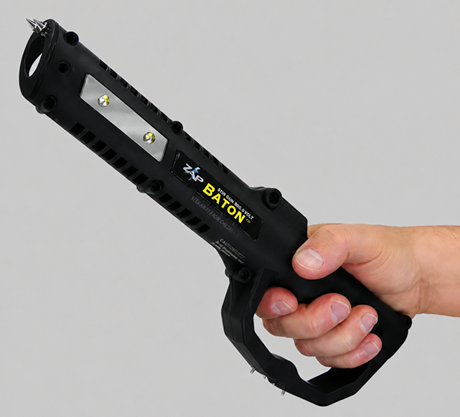
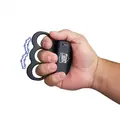
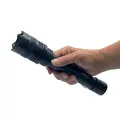
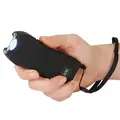
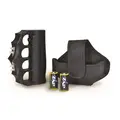
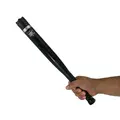
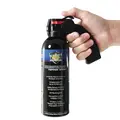
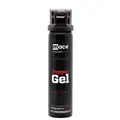
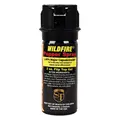
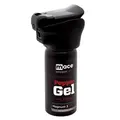
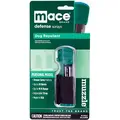
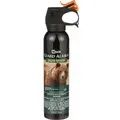
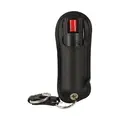
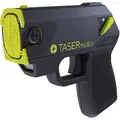
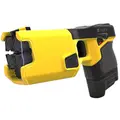
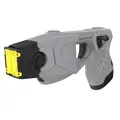
The range of non-lethal self-defense weapons available today is diverse, catering to different needs and preferences. Pepper spray, perhaps the most widely recognized, utilizes a concentrated inflammatory substance that causes temporary burning sensations in the eyes, skin, and respiratory system, as well as involuntary eye closure and coughing, effectively incapacitating an attacker for a crucial period. Personal alarms, emitting a piercingly loud sound, can startle an assailant and attract the attention of others nearby, potentially disrupting an attack and summoning help. Stun guns and tasers deliver an electric shock that temporarily disrupts muscle control, causing disorientation and immobilization, providing an opportunity for the victim to escape. Other options include tactical pens with sharp points for pressure application, kubotans for striking vulnerable areas, and even loud whistles designed to deter attackers and attract attention.
Knowledge is Power: Training and Legal Considerations
Each of these devices has its own advantages and disadvantages in terms of range, ease of use, potential for misuse, and legal restrictions. It is crucial for individuals considering carrying a non-lethal self-defense weapon to research the specific laws in their jurisdiction regarding ownership, carrying, and use. Here in Savannah, Georgia, for instance, as in much of the United States, pepper spray is legal for self-defense purposes, but there may be restrictions on canister size or specific formulations. Stun gun legality can vary more significantly state by state, and even by municipality, so understanding local ordinances is paramount.
Additionally, proper training and familiarity with the chosen device are essential to ensure effective deployment in a high-stress situation. Simply carrying a device is not enough; one must know how to access it quickly, aim accurately (in the case of pepper spray or a stun gun), and use it effectively to create an opportunity for escape. Many local self-defense classes or even online resources can provide valuable guidance on the practical application of these tools.
A Tool, Not a Guarantee: The Role in a Broader Safety Strategy
It is important to acknowledge that non-lethal weapons are not a panacea. They are tools, and their effectiveness depends on various factors, including the size and strength of the attacker, their level of determination, environmental conditions (like wind for pepper spray), and the user's ability to deploy the device effectively under duress. There is always a risk that a non-lethal weapon may not completely incapacitate an attacker or that the user may not have the opportunity to deploy it. Therefore, relying solely on a non-lethal weapon should be part of a broader personal safety strategy. This holistic approach includes maintaining situational awareness—being conscious of your surroundings and potential threats—avoiding dangerous situations whenever possible, practicing de-escalation techniques if safe to do so, and having a pre-planned escape route or plan of action.
The Right to Safety: Non-Lethal Weapons and Self-Defense
The Houston incident also brings to the forefront the broader conversation surrounding the right to self-defense. While the Second Amendment of the United States Constitution guarantees the right to bear arms, the interpretation and application of this right, particularly in public spaces, remain a subject of ongoing debate and legal scrutiny. Non-lethal weapons offer a less contentious avenue for individuals to exercise their right to self-protection. They provide a means to defend oneself against unlawful aggression without necessarily inflicting permanent injury or death. This can be particularly appealing in situations where the threat is ambiguous or where the individual may not feel justified in using lethal force.
Furthermore, the use of non-lethal weapons, like any form of self-defense, can have legal ramifications. While generally intended for defensive purposes, their misuse can lead to criminal charges. It is essential for individuals who choose to carry these devices to be aware of the legal framework surrounding their use and to understand the circumstances under which their deployment is justified. Generally, the use of non-lethal force is considered justifiable when there is a reasonable fear of imminent bodily harm, and the force used is proportional to the threat.
Conclusion: Fostering a Culture of Safety and Preparedness
The Houston jogger’s experience serves as a powerful reminder that personal safety is not a passive state but an active responsibility. While law enforcement plays a crucial role in maintaining public safety, individuals also have the right and the need to take reasonable steps to protect themselves. Non-lethal self-defense weapons offer a valuable tool in this endeavor, empowering individuals to deter potential attackers and defend themselves without necessarily resorting to deadly force.
The aftermath of the Houston incident should not simply be a recounting of a near-tragedy averted. It should serve as a catalyst for broader discussions about personal safety, the importance of preparedness, and the role that non-lethal self-defense options can play in creating a more secure environment for everyone. Encouraging education and training on the safe and effective use of these devices, alongside promoting awareness of the legal considerations specific to locations like Savannah and beyond, can empower more individuals to take control of their personal safety.
In conclusion, the story of the Houston jogger who successfully used pepper spray to fend off an attacker is a compelling testament to the value of non-lethal self-defense weapons. It underscores their potential to empower individuals, particularly those who may be more vulnerable, to protect themselves from harm without resorting to lethal force. While not a foolproof solution, non-lethal options provide a critical layer of defense and can offer a vital opportunity for escape in dangerous situations. As we navigate a world where the threat of violence, though hopefully rare, remains a possibility, embracing responsible personal safety measures, including the consideration of non-lethal self-defense tools, is not an act of fear, but an affirmation of the fundamental right to safety and security. The quiet streets and peaceful parks should be spaces for everyone to enjoy without the constant fear of victimization, and empowering individuals with the means to protect themselves is a crucial step towards achieving that goal.
See cost of pepper sprays