by P. Birmingham
 Non-lethal chemical irritants such as pepper spray and pepper-projectile devices are widely carried as self-defense tools. They are not flawless. They do not guarantee safety. But news reports and police accounts show many cases where these tools gave victims the seconds they needed to escape, summon help, or hold an assailant at bay until officers arrived. This article replaces hypothetical vignettes with real, sourced incidents. Each case summary is drawn from local news or official reports. After the cases we analyze common patterns, legal context, training and aftercare, and practical guidance for responsible owners.
Documented Case 1 — Runner Uses Pepper Spray to Fend Off an Attacker (Ellicott City, MD)
A 24-year-old woman running on a public trail in Ellicott City was reportedly attacked from behind and struck in the face. According to police, the victim used pepper spray to stop the attack and escape to safety. Police increased patrols in the area while investigating. The news item quotes authorities urging vigilance for trail users and encouraging anyone with information to come forward.
Why it matters: This is a clear example of a carry-and-use scenario in an outdoor setting. The victim had the device available and deployed it immediately after being struck. The result was temporary incapacitation of the attacker and a safe egress for the victim. The policing response and subsequent public messaging also show how documented defensive use is handled by local authorities.
Documented Case 2 — Man Uses Pepper Spray During a Knife Threat (Asheville, NC)
In September 2020 Asheville police reported a man at a bus stop who was threatened with a knife; the would-be victim sprayed the suspect with pepper spray. Local reporting said the suspect lunged and that the pepper spray disrupted the attack long enough for bystanders to intervene and for police to take the suspect into custody. The victim was not seriously injured.
Why it matters: A direct, close-quarters threat with a bladed weapon is one of the most dangerous confrontations a civilian can face. This incident documents a defensive use that produced no permanent harm and led to an arrest. It underscores two points: (1) pepper spray can be effective on a suspect in close range; (2) the presence of witnesses and rapid law-enforcement response help convert a defensive use into a documented, prosecutable incident.
Documented Case 3 — Bear Spray Used by Robbers; Law Enforcement Response (Las Vegas Spate of Robberies)
Police in the Las Vegas area investigated a series of robberies in which an individual allegedly used high-strength bear-deterrent spray to clear retail employees and patrons, then stole cash and property. Local TV coverage described how one suspect allegedly sprayed stores and then abandoned evidence that helped police identify him. These incidents illustrate how the same chemical agents used for personal defense can be weaponized by criminals, and how law enforcement responds to such threats.
Why it matters: The Las Vegas cases are the inverse scenario—attackers deploying high-concentration aerosols as tools of crime. They demonstrate environment-dependent risks (confined spaces, ventilation systems) and the role of investigative work in stopping sustained criminal patterns. They also show a practical limitation: the effectiveness of chemical agents depends on delivery method, wind, ventilation, and attacker countermeasures such as masks. Law enforcement and retailers changed procedures and evidence collection after these robberies.
Documented Case 4 — Pepper Spray Used to Repel an Attack in a Public Place
Local news outlets regularly publish short reports of citizens who used pepper spray to escape assaults. Examples include attacks at shopping centers, bus stops, and street encounters where the victim sprayed the suspect and fled or where bystanders intervened. These brief police-report items are common across jurisdictions and collectively form a body of documented defensive uses that result in temporary incapacitation, escapes, or arrests. Representative stories and local police summaries appear in local TV station archives and regional news feeds.
Why it matters: Aggregated, small-scale reports demonstrate frequency and variety. They are not dramatic national headlines, but they matter for practitioners because they show repeatable patterns: accessible device, quick deployment, immediate escape, and police involvement.
Documented Case 5 — Robbery Conspiracies Where Pepper Spray Was Deployed
Federal and state public-safety press releases and court records sometimes mention conspiracies in which pepper spray was used during robberies. The FBI and U.S. Attorney press releases list incidents where conspirators brandished firearms or pepper-sprayed victims during criminal schemes. These official documents provide reliable confirmation that chemical irritants are used on both sides of the law and may appear in indictments and sentencing materials.
Why it matters: Official criminal-justice sources confirm the operational reality we see in local news: chemical irritants are both defensive tools for civilians and tactical tools for criminals. That complicates policy response and legal adjudication because identical physical effects—eye pain, coughing, disorientation—may occur whether used defensively or offensively.
Common Patterns and Practical Lessons from Documented Cases
-
Immediate accessibility matters. In many reported defensive uses victims had the spray within reach and deployed it without fumbling. Whether carried on a keychain, thigh holster, glove compartment, or running belt, ease of access is crucial.
-
Deployment buys time. The most consistent outcome in defensive cases is a small window of seconds to move away, call 911, lock doors, or attract help. That brief window often prevents escalation to worse injury.
-
Environment influences effectiveness. Confined spaces, strong ventilation, wind, or crowds change how the agent disperses. The Las Vegas cases where bear spray was used to clear businesses underline this dynamic and the risk to bystanders and rescuers.
-
Witnesses and evidence matter for legal defense. Many news reports note that surveillance footage, bystander statements, or prompt police reports corroborated the defensive use. That evidence is important if legal questions arise later.
-
Medical aftercare is essential. Even when used defensively, chemical exposure can require decontamination. News accounts generally advise immediate flushing of eyes and a medical check if symptoms persist. Victims and bystanders sometimes required assistance.
Legal and Policy Context
Law and policy on possession, carry, and use of chemical irritants vary by state and locality. Local news items and federal press releases repeatedly emphasize two realities:
- Permissible possession does not guarantee lawful use. Use of force law generally requires a reasonable belief of imminent threat. If a civilian misjudges the situation the legal system may still treat the act as assault. Local police and prosecutors evaluate context, intent, and proportionality when deciding to file charges.
- Some chemical agents and delivery methods are restricted. High-concentration bear spray, aerosol devices intended for animals, or projectile launchers may be regulated differently. The Las Vegas cases show prosecutors treat bear-spray robberies as violent crimes. Civilians should know state statutes and any restrictions on projectile delivery systems.
Training, Practice, and Aftercare
Documented defensive uses repeatedly highlight the importance of preparation.
- Know your device. Read the manual, practice drawing safely (with an inert trainer if available), and learn range and expected dispersion. News summaries often note users who had practiced or were familiar with their devices fared better.
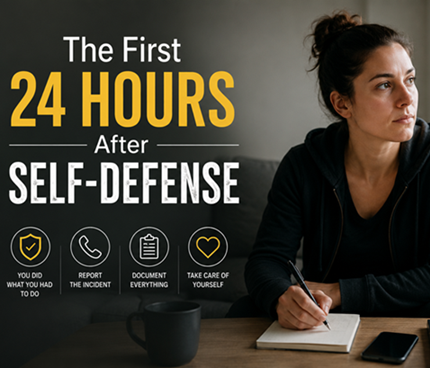
- Plan the post-activation sequence. Move to safety, call 911, note witnesses, and preserve any surveillance footage. Police reports frequently show successful resolutions when victims immediately reported incidents and gave clear statements.
- Understand first aid. Rinse eyes with clean water, move to fresh air, and seek medical care if breathing or eye irritation persists. Local reports often recommend these steps in their safety messaging.
Limitations and Risks (Documented by the News)
The news items also show limitations and hazards.
- Adversaries can adapt. The Las Vegas robber allegedly used a gas mask and planned routes to weaponize bear spray. Criminals adapt tactics and may employ countermeasures.
- Collateral harm to bystanders or victims. In confined retail spaces or shared trails, spray can incapacitate multiple people and complicate evacuation or medical response. News coverage documents employees and customers evacuated or treated after exposure.
- Legal exposure if used improperly. Even defensive deployments can lead to arrest or civil claims when facts are disputed. Official press materials and prosecution notes emphasize case-by-case legal review.
What Responsible Owners Should Do
-
Check the law. Confirm state and local rules for possession and use. Federal press releases and local reporting often indicate the charges used in prosecution; know what can trigger criminal exposure.
-
Choose the right tool for your needs. Small capacious sprays work for runners. Devices with projectile delivery have different ranges and may be subject to stricter rules. News accounts show different tools used in different contexts.
-
Train and practice. Use inert trainers for draw practice. Take self-defense and legal-awareness courses. Media accounts repeatedly attribute success to readiness and calm follow-through.
-
Document and report. After any defensive use, report to police, preserve evidence, and seek witnesses. News stories often note that quick reporting led to suspect identification and arrest.
Conclusion
Verified news reports show that pepper spray and related devices have repeatedly played a decisive role in preventing assaults and robberies. The same reporting also documents criminal misuse and the real limitations of chemical irritants in varied environments. The key takeaway is practical: when these tools are carried legally, used proportionally, and paired with training and a post-activation plan, they can create the seconds victims need to escape and seek help. When they are misused or employed by criminals, they create complex hazards for victims and responders. Responsible preparation, legal awareness, and realistic expectations are the path to safer outcomes.
See cost of Pepper Sprays and Pepper Guns