by P. Birmingham
 Whether you're traveling for business, vacation, or a quick weekend getaway, your hotel room becomes your temporary home. But unlike your own home, you don’t have full control over who comes and goes. This makes hotel room safety a serious concern—especially in an age where travelers are targeted for theft, scams, or worse.
In this comprehensive guide, we’ll break down practical, proven safety tips for staying safe in a hotel room, no matter where you are in the world. Whether you’re staying at a luxury resort, a budget motel, or anything in between, these precautions will help keep you—and your belongings—safe.
1. Research Before Booking
The first step to hotel safety starts before you even make a reservation.
Read Verified Reviews
Use platforms like Google, TripAdvisor, or Booking.com to check reviews that specifically mention safety. Be on the lookout for reports of theft, suspicious activity, or lax security.
Check the Neighborhood
Use Google Maps and Street View to examine the area around the hotel. Is it in a safe, well-lit area? Are there any police stations, hospitals, or 24-hour businesses nearby?
Choose Hotels With Good Security Features
Prioritize hotels that offer:
2. Check-In Tips for Safety
Once you arrive, you can take steps to prevent unwanted attention and avoid potential security risks.
Be Discreet When Checking In
Avoid saying your room number out loud. If the front desk attendant does, politely ask for a different room and explain why. Privacy is key.
Request a Room in the Right Location
-
Avoid ground-floor rooms: They’re easier to break into.
-
Avoid secluded corners: Rooms near stairwells or the end of a hallway can be more vulnerable.
-
Request a room near elevators: These are often in more trafficked areas, which can deter criminals.
Get Two Keys
Even if you’re traveling solo, ask for two key cards. This may give the impression that you're not alone.
3. Hotel Room Inspection Upon Arrival
Before you settle in, take a few moments to inspect your room for security.
Check All Entry Points
-
Doors: Ensure the main door, adjoining room doors (if applicable), and balcony doors lock properly.
-
Windows: Are they locked? Can they be opened from outside?
Look Under the Bed, Behind Curtains, and in the Closet
A quick inspection can give you peace of mind and potentially alert you to anything suspicious.
Confirm the Phone Works
You’ll need it to contact the front desk or emergency services if needed.
4. Securing Your Hotel Room
Now that you’ve chosen and inspected your room, it’s time to enhance its security.
Always Lock All Doors
Use the deadbolt and security latch whenever you’re inside. If your door lacks a secondary lock, consider using a portable door lock or door stop alarm.
Block Entry Through Adjoining Rooms
If your room has a connecting door to another room, double-check that it’s locked on your side.
Use a Hotel Safe Wisely
Place valuables like passports, jewelry, and extra cash in the safe. Use a code that isn't easy to guess—avoid birthdays or repeated digits.
Tip: Leave a note inside the safe with your name and contact info, in case hotel staff needs to verify ownership later.
Don’t Leave Keys or Documents Lying Around
Keep your key card with you and never leave it in the power slot (if applicable) when you're not in the room. Lock sensitive documents in the safe.
5. Using Technology for Added Security
In the digital age, you can use smart tools to monitor and protect your space.
Bring a Travel Door Alarm
Door alarms are small, easy-to-use devices that alert you if someone opens your door while you sleep.
Use a Personal Safety App
Apps like Noonlight or My SOS Family allow you to quickly alert authorities or loved ones in case of danger.
Avoid Hotel Wi-Fi for Sensitive Transactions
Public Wi-Fi is vulnerable to hackers. Use a VPN or your mobile hotspot if you’re checking bank accounts or entering passwords.
Consider a Portable Camera Detector
Some travelers bring tools that detect hidden cameras. This can be especially helpful in lesser-known or international accommodations.
6. Personal Safety Practices
Even with secure doors and tech, your daily habits can be a major factor in staying safe.
Don't Open the Door Without Verifying
If someone knocks claiming to be hotel staff, call the front desk to confirm. If unsure, don’t open the door.
Avoid Advertising You're Alone
Avoid using the "clean my room" sign for long periods. This signals that no one is inside.
If you need cleaning, call housekeeping directly and ask them to come at a specific time when you can be present.
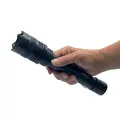
Keep a Flashlight Nearby
Whether it’s a small LED flashlight or your phone, always have quick access in case of a power outage.
Lock Up Before You Sleep
Re-check all locks and latches before bed. Consider wedging a door stop under the main door as an added barrier.
7. Hotel Staff Awareness and Boundaries
Hotel staff are generally helpful, but it's smart to set boundaries.
Be Mindful About Giving Out Information
Don’t disclose your room number, travel plans, or whether you're alone to staff unless necessary.
Use “Do Not Disturb” Strategically
The sign can deter intruders and minimize unannounced visits. Just be cautious not to overuse it, which may cause concern from staff.
Report Suspicious Behavior
If someone lingers outside your room or makes you uncomfortable, report it to management or local authorities.
8. Handling Emergencies
Preparation is the best defense in a crisis.
Know Emergency Exits
As soon as you arrive, find the nearest exits. Know your route to the stairs, especially since elevators may not function during emergencies.
Have an Emergency Kit
Consider carrying a basic kit with:
-
Flashlight
-
Whistle
-
Small first-aid items
-
Personal medication
-
Copies of ID
Understand the Hotel’s Emergency Protocols
Check the back of your door for evacuation maps. Ask staff how the hotel handles fire alarms, earthquakes, or lockdowns.
Keep Essentials Accessible
At night, keep essentials—like your phone, wallet, shoes, and jacket—nearby in case you need to leave quickly.
9. Traveling with Children or Elderly? Special Tips
Safety becomes more complex when others depend on you.
Kids:
-
Teach them not to answer the door.
-
Don’t let them roam hallways unsupervised.
-
Write your contact number and hotel info on a card for them to carry.
Elderly Travelers:
-
Ensure mobility aids are within reach.
-
Use nightlights to prevent falls.
-
Inform the front desk about any special needs.
Shared Tip: Always Communicate
Set clear rules and routines with your travel companions to ensure no one is left vulnerable or uninformed.
10. Final Thoughts
Hotel room safety is about more than locking your door—it's about mindful travel, preparation, and awareness. While most hotel stays go smoothly, being proactive can protect you from the rare times when something goes wrong.
To recap:
-
Choose reputable accommodations.
-
Secure your space using physical tools and smart habits.
-
Maintain a low profile.
-
Trust your instincts. If something doesn’t feel right, take action.
By following the tips above, you empower yourself to travel confidently, knowing you’ve taken steps to protect your peace of mind—and your safety.
Related Articles: