by P. Birmingham
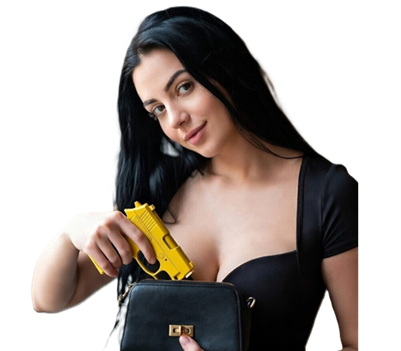 Personal safety is no longer a niche concern reserved for night shifts or bad neighborhoods. For many people, it’s a daily consideration shaped by news cycles, social media, and lived experience. That reality has pushed a growing number of individuals to ask a serious question: Should I carry and conceal a non-lethal weapon for self-defense?
The appeal is obvious. Non-lethal weapons promise a way to protect yourself without permanently harming another person. They seem like a reasonable middle ground between being defenseless and carrying a firearm. But the decision is more complex than it first appears. Legal constraints, ethical considerations, psychological readiness, and practical effectiveness all matter—and ignoring any one of them can lead to unintended consequences.
This article explores what it really means to carry and conceal a non-lethal weapon, who it may (and may not) be right for, and how to think critically about personal safety beyond simply carrying an object.
What Counts as a Non-Lethal Weapon?
A non-lethal weapon—sometimes called “less-lethal”—is designed to stop or deter an attacker without causing permanent injury or death. Importantly, non-lethal does not mean harmless. Any defensive tool can cause serious injury if misused or used in the wrong circumstances.
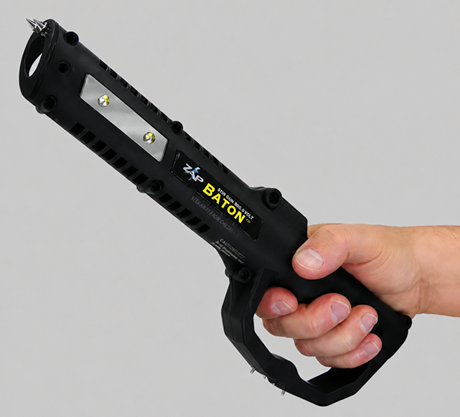
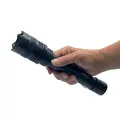
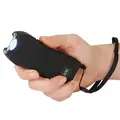
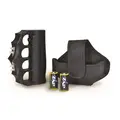
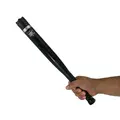
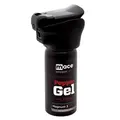
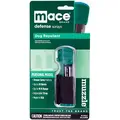
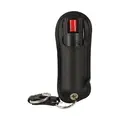
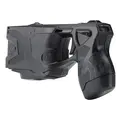
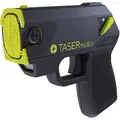
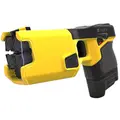
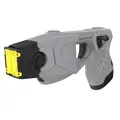
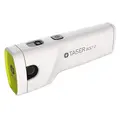
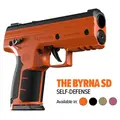
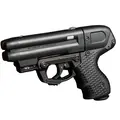
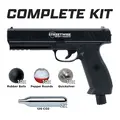
Common examples include:
Each of these operates on a different principle: sensory overload, pain compliance, deterrence, or attention-drawing. Their effectiveness varies widely depending on context, the user, and the person they are used against.
Why People Choose Non-Lethal Options
For many, the decision to carry non-lethal protection is rooted in values as much as fear.
1. Ethical and Moral Comfort
Not everyone is comfortable with the idea of using deadly force, even in self-defense. Non-lethal tools offer a sense of moral alignment—protection without the risk of irreversible consequences.
2. Accessibility and Perceived Safety
Compared to firearms, non-lethal weapons often feel more approachable. They usually require less training, are less intimidating to carry, and may seem safer around children or in shared living spaces.
3. Legal Simplicity (Sometimes)
In many jurisdictions, non-lethal tools face fewer regulatory hurdles than firearms. That said, “fewer” does not mean “none,” and legal misunderstandings are common.
4. Everyday Practicality
Some people want something that fits into daily life: commuting, jogging, walking a dog, or traveling. A small, concealable defensive tool can feel like a reasonable precaution rather than a drastic measure.
The Case for Carrying a Non-Lethal Weapon
When chosen thoughtfully and legally, non-lethal weapons can play a role in personal safety.
They Can Create an Opportunity to Escape
The primary goal of self-defense is not to “win” a confrontation—it’s to create a chance to get away. Non-lethal tools can disrupt an attacker long enough to escape and seek help.
They May De-Escalate Situations
In some cases, the visible presence of a defensive tool or the activation of a loud personal alarm can stop a situation from escalating further. Deterrence matters.
They Encourage Awareness
People who carry defensive tools often become more situationally aware. This mindset shift—paying attention to surroundings, exits, and unusual behavior—can be more valuable than the tool itself.
The Risks and Limitations You Need to Understand
Non-lethal does not mean low-risk. Carrying a defensive weapon introduces new responsibilities and potential downsides.
Overconfidence Is Dangerous
One of the biggest risks is psychological. Carrying a weapon can create a false sense of security, leading people to take risks they otherwise wouldn’t—walking alone at night, ignoring gut instincts, or failing to prioritize avoidance.
Effectiveness Is Not Guaranteed
Non-lethal weapons do not work in all situations. Factors like distance, environment, weather, the attacker’s physical condition, or intoxication can reduce effectiveness. Relying on a single tool is a mistake.
Legal Consequences Are Real
Many people assume non-lethal weapons are legal everywhere. They aren’t. Restrictions may apply to:
Using a weapon improperly—or even carrying one illegally—can lead to serious legal trouble, regardless of your intentions.
Escalation Is Always a Possibility
Introducing a weapon into a confrontation can escalate the situation. If an attacker takes control of your weapon, the danger may increase rather than decrease.
Concealment: Why It Matters More Than You Think
Concealment isn’t just about discretion—it’s about responsibility.
Concealment Reduces Unnecessary Attention
Visible weapons can alarm others, provoke confrontations, or draw scrutiny from law enforcement. Concealment keeps defensive tools from becoming social or legal liabilities.
Concealment Requires Awareness
Carrying something concealed means being conscious of where it is, how it’s carried, and whether it could accidentally be exposed. Poor concealment can lead to misunderstandings or accusations of intent.
Comfort and Consistency Matter
If a defensive tool is uncomfortable, awkward, or difficult to carry discreetly, people tend to stop carrying it altogether. A tool you leave at home offers no protection.
The Legal Landscape: Know Before You Carry
Laws surrounding non-lethal weapons vary widely by country, state, and even city. Some general principles apply almost everywhere:
-
Legality of possession is not the same as legality of use
-
Self-defense typically requires an immediate and proportional threat
-
Carrying concealed may have different rules than carrying openly
-
Certain locations may prohibit all weapons, lethal or not
Ignorance of the law is rarely a defense. Anyone considering carrying a non-lethal weapon should research local regulations carefully and stay updated as laws change.
Training and Mindset Matter More Than the Tool
A non-lethal weapon is not a magic solution. Without the right mindset, it can be useless—or worse.
Situational Awareness Comes First
The best self-defense strategy is avoidance. Awareness of surroundings, trust in intuition, and early exit from uncomfortable situations reduce the likelihood of needing any weapon at all.
Emotional Control Is Essential
Fear and adrenaline impair judgment. Carrying a weapon requires the ability to remain calm enough to make lawful, proportional decisions under stress.
Practice Doesn’t Mean Aggression
Understanding how a tool functions, its limitations, and safe handling practices is about responsibility, not violence. Familiarity reduces panic and misuse.
Who Should Consider Carrying One?
Non-lethal weapons are not universally appropriate. They may make sense for:
-
Individuals who regularly travel alone
-
People with physical limitations who want an added layer of defense
-
Those who have researched local laws and feel ethically comfortable
-
People committed to avoidance, awareness, and restraint
They may not be a good fit for individuals who:
-
Are prone to anger or impulsive reactions
-
View weapons as a solution to everyday conflict
-
Are unwilling to learn legal boundaries
-
Expect a tool to replace common-sense safety habits
Alternatives to Carrying a Weapon
It’s worth remembering that personal safety isn’t all or nothing. Many people choose complementary or alternative strategies, such as:
-
Self-defense education focused on awareness and escape
-
Adjusting routines to reduce risk exposure
-
Using technology like safety apps or location sharing
-
Building community connections and support networks
These approaches often provide meaningful protection without the risks associated with carrying a weapon.
So… Should You Carry and Conceal a Non-Lethal Weapon?
There is no universal answer.
Carrying and concealing a non-lethal weapon can be a reasonable, responsible choice for some people—if it’s paired with legal knowledge, emotional maturity, and realistic expectations. It should never be viewed as a substitute for awareness, judgment, or personal responsibility.
The most important takeaway is this: personal safety is a system, not an object. A non-lethal weapon is just one component, and often not the most important one.
Before deciding to carry, ask yourself:
-
Am I prepared for the legal and moral responsibility?
-
Do I understand the limitations of this tool?
-
Am I committed to avoidance and de-escalation first?
-
Would this make me safer—or just feel safer?
The right choice is the one that increases your real-world safety without creating new risks for yourself or others.