The BolaWrap: A Non-Lethal Restraint Device Explained
02/23/2025
by P. Birmingham
In recent years, law enforcement agencies and security professionals have been looking for new ways to safely and effectively restrain individuals without resorting to lethal force. One such tool that has gained attention is the BolaWrap, a non-lethal device designed to subdue subjects without causing serious injury. But what exactly is the BolaWrap? How does it work? What are its advantages and drawbacks? And who can legally obtain and use it? This article provides a comprehensive look at the BolaWrap, detailing everything you need to know about this innovative tool.
What Is the BolaWrap?
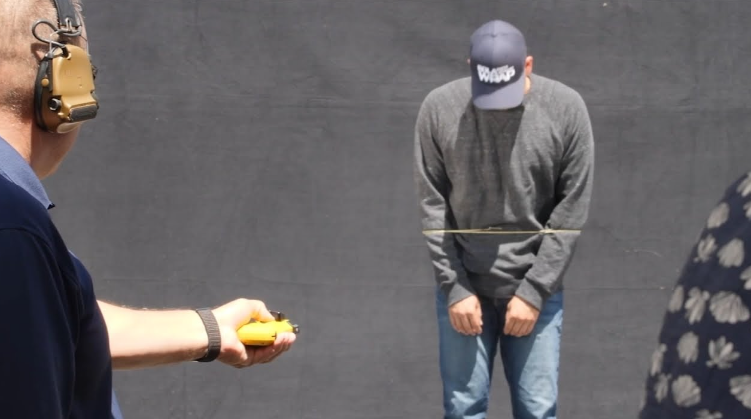
The BolaWrap is a handheld, non-lethal restraint device developed by Wrap Technologies. It is designed to help law enforcement officers and security personnel control non-compliant individuals safely. The device fires a Kevlar cord that wraps around a person's arms or legs, restricting their movement and allowing officers to gain control without resorting to physical force, tasers, or firearms.
Unlike other restraint tools such as tasers or pepper spray, which rely on pain compliance, the BolaWrap does not inflict pain or injury upon the target. Instead, it uses mechanical restraint to prevent movement, making it an ideal option for situations where minimizing harm is a priority.
How Does the BolaWrap Work?
The BolaWrap operates similarly to a lasso, using a high-velocity, tethered projectile to entangle a suspect’s limbs. Here’s how it works:
Deployment – The officer aims the BolaWrap at a person’s legs or arms from a safe distance (typically between 10 and 25 feet). The device is designed to be used in situations where a subject is unarmed but non-compliant.
Firing – When the trigger is pulled, the BolaWrap propels an 8-foot Kevlar cord with small anchor barbs at both ends toward the target at a speed of 513 feet per second.
Restraint – The cord wraps around the target’s arms or legs, effectively binding them and limiting their ability to flee or resist. The barbs secure the cord in place, ensuring the subject remains restrained until officers take control.
Detainment – Once wrapped, officers can safely approach the individual, apply handcuffs, and proceed with detainment without unnecessary escalation.
Pros of the BolaWrap
The BolaWrap offers several advantages, making it a valuable tool for law enforcement and security personnel:
1. Non-Lethal and Pain-Free
Unlike tasers or pepper spray, which rely on pain compliance, the BolaWrap does not cause significant pain or injury. This is particularly useful when dealing with individuals who may be mentally ill, intoxicated, or in a heightened state of agitation.
2. Reduces the Risk of Injury
By immobilizing a subject’s movement without inflicting pain, the BolaWrap minimizes the risk of injury to both the target and the officer. It helps prevent injuries caused by physical altercations, takedowns, or baton strikes.
3. Effective at a Distance
The BolaWrap allows officers to restrain a suspect from a safe distance, reducing the likelihood of close-contact struggles. This is particularly useful in situations where a person is resisting but not necessarily posing a direct lethal threat.
4. Ideal for Non-Volatile Subjects
The device is especially beneficial for handling individuals experiencing mental health crises, as it allows law enforcement to subdue them without escalating the situation.
5. Reusable and Cost-Effective
Compared to other non-lethal devices like tasers (which require cartridge replacements), the BolaWrap is reusable and has relatively low operational costs.
Cons of the BolaWrap
Despite its advantages, the BolaWrap does have some drawbacks:
1. Limited Effectiveness in Certain Situations
The BolaWrap is not designed for all scenarios. It is most effective against individuals who are unarmed and not actively attacking officers. In high-intensity encounters involving weapons or aggressive behavior, other restraint methods may be necessary.
2. Requires Training for Effective Use
Proper training is essential for effective BolaWrap deployment. Officers need to learn how to aim and fire correctly to ensure the Kevlar cord properly entangles the suspect. Poorly executed shots may fail to restrain the target, rendering the device ineffective.
3. Limited Range
With an effective range of up to 25 feet, the BolaWrap is less useful in situations where a suspect is further away or actively running.
4. Potential for Malfunction
Like any mechanical device, the BolaWrap is susceptible to malfunctions. If the cord fails to wrap properly or the barbs do not latch onto clothing, the device may not fully restrain the subject.
5. Limited Market Availability
Currently, the BolaWrap is primarily available to law enforcement agencies and security professionals. It is not widely accessible to civilians, as it is considered a specialized tool designed for trained personnel.
Who Can Use the BolaWrap?
The BolaWrap is primarily marketed to:
Law Enforcement Agencies – Police departments and sheriff’s offices utilize the BolaWrap as part of their de-escalation toolkit.
Security Personnel – Some private security firms and correctional officers use the BolaWrap in controlled environments.
Military and Government Agencies – Certain government agencies employ the BolaWrap for non-lethal restraint situations.
Currently, the BolaWrap is not available for civilian purchase, as it is designed for professional use with proper training. Wrap Technologies, the company behind the device, emphasizes that the BolaWrap is a law enforcement tool intended to reduce harm and improve officer safety.
BolaWrap vs. Other Non-Lethal Devices
The BolaWrap is often compared to other non-lethal tools such as tasers, pepper spray, and batons. Here’s how it stacks up:
Feature
BolaWrap
Taser
Pepper Spray
Baton
Pain Level
Minimal
High
High
High
Range
10-25 feet
15-30 feet
5-10 feet
Close Contact
Effectiveness
Restraint-Based
Pain Compliance
Irritant-Based
Pain Compliance
Risk of Injury
Low
Moderate-High
Low
High
Reusability
Yes
No
No
Yes
What's the Cost of the BolaWrap?
The BolaWrap is primarily marketed to law enforcement and security agencies, and its pricing is typically structured for bulk purchases and contracts. Specific pricing details are not publicly disclosed, as they can vary based on factors such as the number of units purchased, training packages, and agency-specific requirements.
However, some publicly available information provides insight into the approximate costs:
Detroit Police Department: In February 2023, the Detroit City Council approved a $32,000 one-year contract for 22 BolaWrap devices, averaging approximately $1,454 per device.
Springfield Police Department: In April 2023, the Springfield Police acquired BolaWrap devices with a one-time expenditure of $21,500.
These figures suggest that the BolaWrap devices are priced at $1,000 to $1,500 per unit. It's important to note that these prices may include additional services such as training, support, and accessories, which can influence the overall cost.
For precise and up-to-date pricing, it's recommended to contact Wrap Technologies directly or consult authorized distributors. They can provide detailed quotes tailored to an agency's specific needs and quantities.
Conclusion
The BolaWrap is an innovative non-lethal restraint tool that offers a unique way to subdue non-compliant individuals without causing harm. Its ability to immobilize subjects from a distance without relying on pain compliance makes it a valuable addition to law enforcement and security operations.
However, it is not a one-size-fits-all solution. The BolaWrap has limitations, including its range, need for training, and ineffectiveness against violent or armed suspects. While it is a useful tool for de-escalation, it works best when integrated into a broader toolkit of non-lethal options.
As law enforcement continues to seek ways to reduce excessive force incidents, tools like the BolaWrap represent an important step forward in balancing safety, effectiveness, and ethical policing. While it remains unavailable to civilians, its continued adoption in law enforcement suggests a promising future for non-lethal restraint technologies.
About Author:P. Birmingham founded Stunster.com in 2007 and has nearly two decades of hands-on experience with non-lethal self-defense tools, including TASER® devices, stun guns, pepper sprays and pepper guns. He works directly with distributors to ensure products meet high standards of reliability and usability. His mission is to help everyday people understand personal defense technology and make confident, informed choices.



 In recent years, law enforcement agencies and security professionals have been looking for new ways to safely and effectively restrain individuals without resorting to lethal force. One such tool that has gained attention is the BolaWrap, a non-lethal device designed to subdue subjects without causing serious injury. But what exactly is the BolaWrap? How does it work? What are its advantages and drawbacks? And who can legally obtain and use it? This article provides a comprehensive look at the BolaWrap, detailing everything you need to know about this innovative tool.