by P. Birmingham
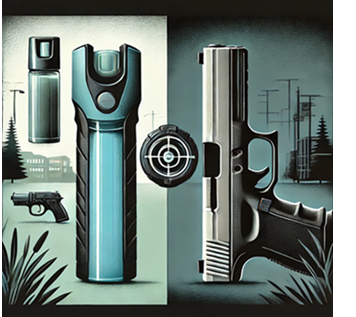 When it comes to personal safety, the debate between non-lethal and lethal weapons is often polarizing. Each has its advantages, drawbacks, and ethical considerations. Whether you're a civilian looking for self-defense tools or a professional in law enforcement, understanding the nuances can help you make an informed decision. This article explores the good, the bad, and the ugly of non-lethal and lethal weapons, highlighting their roles in self-defense, law enforcement, and beyond.
The Good: Advantages of Non-Lethal Weapons
1. Reduced Risk of Fatality
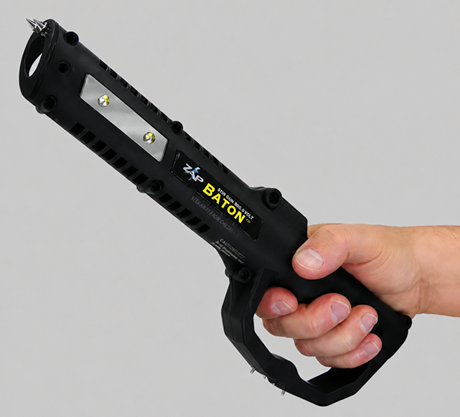
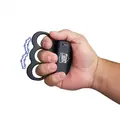
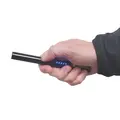
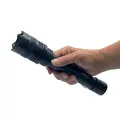
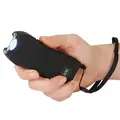
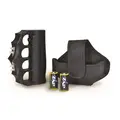
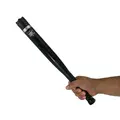
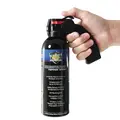
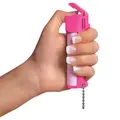
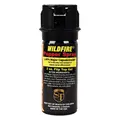
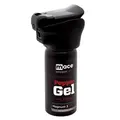
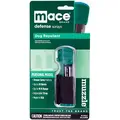
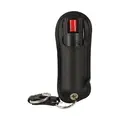
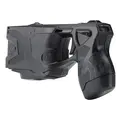
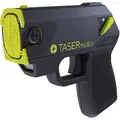
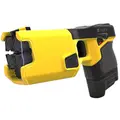
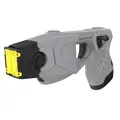
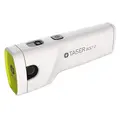
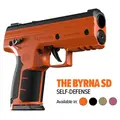
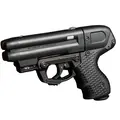
The primary advantage of non-lethal weapons is their ability to incapacitate without causing permanent harm. Devices like steel batons, stun guns, tasers, pepper sprays, and personal alarms are designed to neutralize threats while minimizing the risk of death or severe injury. This makes them ideal for situations where preserving life is a priority.
2. Legal Accessibility
In many jurisdictions, non-lethal weapons are easier to acquire and carry than firearms. For instance, pepper sprays and personal alarms often require minimal paperwork and are legal in most areas. This accessibility makes them a popular choice for civilians.
3. User-Friendly
Non-lethal weapons are typically easier to use than firearms. A stun gun, for example, requires minimal training compared to the proficiency needed to handle a firearm safely and effectively. This simplicity is particularly appealing for individuals new to self-defense.
4. De-escalation Potential
Non-lethal options can de-escalate potentially violent situations without escalating them further. A bright flashlight or loud alarm can deter an attacker without provoking a more aggressive response.
5. Ethical Considerations
For those uncomfortable with the idea of taking a life, non-lethal weapons offer a means of protection without crossing moral boundaries. They align with the principle of using the least amount of force necessary.
The Bad: Limitations of Non-Lethal Weapons
1. Limited Range
Most non-lethal weapons, such as pepper spray and stun guns, require close proximity to the attacker. This limitation can be dangerous in situations where maintaining distance is crucial for safety.
2. Effectiveness Varies
Non-lethal weapons are not always effective. Factors such as wind direction can render pepper spray useless, while stun guns may not work on individuals under the influence of drugs or alcohol. Even rubber bullets can fail to incapacitate determined attackers.
3. Legal Restrictions
While generally more accessible, non-lethal weapons are not universally legal. Some states or countries impose restrictions on specific tools, requiring potential users to navigate a complex web of regulations.
4. No Guarantee of Neutralization
Unlike firearms, non-lethal weapons often do not guarantee complete neutralization of a threat. An attacker may recover quickly or continue to pose a danger, leaving the defender vulnerable.
5. Potential for Misuse
Non-lethal weapons can be misused, leading to unintended harm. For example, improper use of a stun gun can cause serious injuries, while excessive deployment of pepper spray can have severe health consequences.
The Good: Advantages of Lethal Weapons
1. High Stopping Power
Lethal weapons, particularly firearms, are designed to neutralize threats quickly and effectively. Their stopping power is unmatched, making them a reliable option in life-threatening situations.
2. Deterrence Factor
The mere presence of a firearm can deter potential attackers. Criminals are less likely to target individuals they believe are armed, making firearms an effective preventive tool.
3. Versatility
Firearms come in various types and calibers, allowing users to choose a weapon tailored to their specific needs. From concealed carry handguns to home-defense shotguns, the options are vast.
4. Longer Range
Unlike most non-lethal weapons, firearms allow users to engage threats from a distance. This capability is particularly important in scenarios where close contact could be dangerous.
5. Cultural and Recreational Aspects
For many, firearms are not just tools for self-defense but also a part of cultural heritage or recreational activities. Hunting, sport shooting, and collecting are popular pastimes that foster a sense of community among enthusiasts.
The Bad: Limitations of Lethal Weapons
1. High Risk of Fatality
The most significant drawback of lethal weapons is their potential to cause death or severe injury. In high-stress situations, even trained individuals can make fatal mistakes, leading to irreversible consequences.
2. Legal Complexities
Owning and carrying firearms often involve stringent legal requirements, including background checks, permits, and training. Failure to comply can result in severe penalties.
3. Risk of Escalation
The presence of a firearm can escalate a situation, increasing the likelihood of violence. In some cases, an attacker may attempt to disarm the defender, turning the weapon against them.
4. Storage and Safety Concerns
Firearms require secure storage to prevent accidents or unauthorized access. Improper storage can lead to tragic incidents, particularly in households with children.
5. Emotional and Psychological Impact
Using a lethal weapon, even in self-defense, can have lasting emotional and psychological effects. The knowledge of having taken a life can lead to guilt, trauma, and legal scrutiny.
The Ugly: Ethical and Practical Dilemmas
1. Moral Ambiguity
The decision to use lethal force often involves complex ethical considerations. While some argue that lethal weapons are necessary for self-defense, others believe they perpetuate a cycle of violence.
2. Misuse and Abuse
Both non-lethal and lethal weapons can be misused. Law enforcement agencies, for example, have faced criticism for excessive use of force with rubber bullets and tasers. Similarly, firearms in the wrong hands can lead to mass shootings or other tragedies.
3. Unintended Consequences
Non-lethal weapons can sometimes cause unintended harm, such as allergic reactions to pepper spray or injuries from rubber bullets. On the other hand, stray bullets from firearms can harm innocent bystanders.
4. Training Gaps
Both types of weapons require training to use effectively and responsibly. Unfortunately, many users lack adequate training, increasing the risk of accidents or ineffective defense.
5. Public Perception
The use of any weapon, lethal or non-lethal, can carry social stigma. While some view firearms as a symbol of empowerment, others see them as a threat. Similarly, non-lethal weapons may be perceived as insufficient for serious self-defense.
Choosing the Right Option: Key Considerations
1. Personal Needs and Lifestyle
Your choice between non-lethal and lethal weapons should align with your lifestyle and specific needs. For instance, a college student walking home late at night may prefer pepper spray, while a homeowner in a rural area might opt for a firearm.
2. Legal Compliance
Understanding local laws is crucial. Ensure that your chosen weapon is legal in your area and that you comply with all regulations regarding its use and possession.
3. Training and Practice
Regardless of your choice, proper training is essential. Regular practice can improve your proficiency and confidence, ensuring that you can respond effectively in an emergency.
4. Risk Assessment
Evaluate the risks you are likely to face and choose a weapon that addresses those threats. For example, if you live in a high-crime area, a firearm might offer more comprehensive protection.
5. Ethical Comfort
Consider your ethical stance on self-defense. If you are uncomfortable with the idea of taking a life, a non-lethal weapon may be a better fit for your values.
Conclusion
The debate between non-lethal and lethal weapons is complex, with valid arguments on both sides. Non-lethal weapons offer a humane and accessible option for self-defense, but their limitations can leave users vulnerable in high-stakes situations. Lethal weapons provide unmatched stopping power and deterrence but come with significant legal, ethical, and emotional challenges.
Ultimately, the best choice depends on your unique circumstances, needs, and values. By understanding the pros and cons of each option, you can make an informed decision that prioritizes your safety and aligns with your principles. Remember, the most important weapon in any self-defense scenario is your awareness and preparedness—stay vigilant, stay safe.
See cost of non-lethal weapons such as steel batons, stun guns, tasers, pepper sprays, or personal alarm