by P. Birmingham
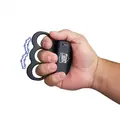
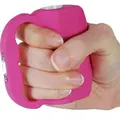
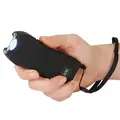
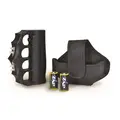
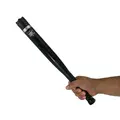
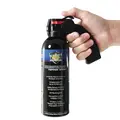
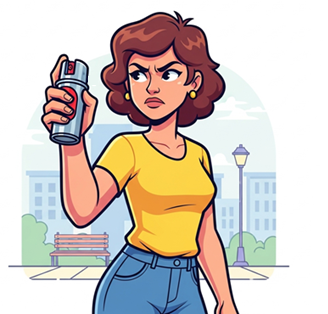 Non-lethal self-defense tools—stun guns, pepper sprays, pepper guns, TASERs, and others—are designed to help you stay safe without causing permanent harm. But here’s the hard truth: simply buying one doesn’t make you safer.
The effectiveness of any self-defense tool depends on your ability to use it confidently and correctly. That’s where training comes in.
Proper training turns fear into preparedness, hesitation into instinct, and uncertainty into skill.
In this guide, we’ll break down how to train with non-lethal tools so that, if the moment ever comes, you’ll know exactly what to do.
1. Overcoming the Fear Factor
Many people buy a self-defense tool and then avoid practicing with it. The reasons are common:
-
Fear of accidental discharge
-
Worry about injuring themselves or others
-
Uncertainty about the legal consequences
But avoiding practice is like owning a fire extinguisher and never learning how to pull the pin.
Mindset Shift: From Fear to Familiarity
-
Handle your tool daily — pick it up, check it, get comfortable with its weight and feel.
-
Understand how it works — read the manual, watch manufacturer videos, and learn what each button, switch, or safety feature does.
-
Recognize the purpose — these tools are for self-protection, not intimidation.
2. Know Your Tool Inside and Out
Before you start drills, you need to know your self-defense tool’s anatomy, safety features, and operational limits.
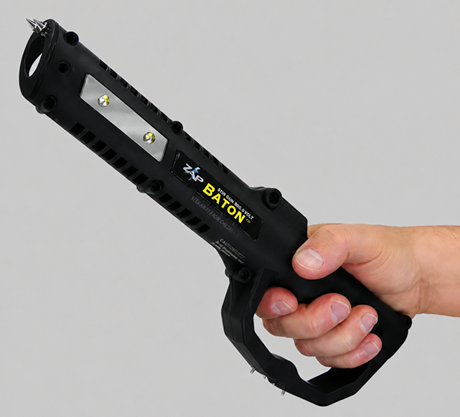
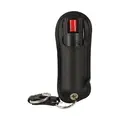
For Stun Guns
-
Safety Switch — prevents accidental activation.
-
Trigger Button — engages the electrical charge.
-
Contact Points — where the charge is delivered.
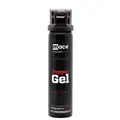
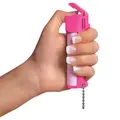
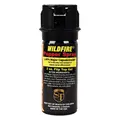
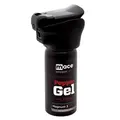
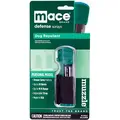
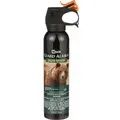
For Pepper Spray
-
Safety Cap — usually a twist-lock or flip-top.
-
Nozzle Direction — always confirm before spraying.
-
Spray Pattern — cone, stream, or gel, each with different range and accuracy.
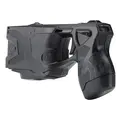
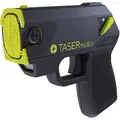
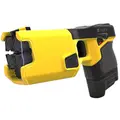
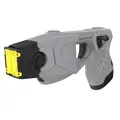
For Tasers
-
Cartridge — contains the probes.
-
Laser Sight — helps with aiming.
-
Backup Drive Stun Mode — for close contact after cartridge discharge.
Pro Tip: Buy a trainer version of your device (inert pepper spray, taser practice cartridge, or stun gun without charge) for safe repetition.
3. The Core of Safe Training: Repetition
Skill comes from doing the same motion until it’s automatic. In a high-stress encounter, your brain’s fine motor skills drop—meaning you’ll fall back on what you’ve practiced.
Basic Drills
-
Draw and Ready
-
Keep your tool in its usual carry location.
-
Practice drawing it smoothly without fumbling.
-
Bring it to a ready position quickly but safely.
-
Safety Off, Safety On
-
Target Aiming
-
With an inert trainer, aim at a small target from varying distances.
-
Practice in low-light situations.
-
Verbal Commands
4. Training Scenarios to Simulate Real Life
The best practice mimics reality. Use these training situations to prepare your mind and body for different threats.
Scenario 1: Sudden Close Contact
-
Partner rushes you from within 3 feet.
-
Your drill: quick draw, deploy, and step back to create distance.
Scenario 2: Threat From Afar
Scenario 3: Low Light Ambush
Scenario 4: Multiple Aggressors
5. Safety First – Always
When training:
-
Keep real and trainer devices separate to avoid confusion.
-
Check that no live cartridges or active sprays are loaded during practice.
-
Wear protective eyewear during any pepper spray drills.
6. Legal Considerations During Training
Owning a self-defense tool comes with legal responsibilities:
-
Know your state and local laws — some areas restrict where you can carry or how you can use your device.
-
Understand “reasonable force” — only use your tool when you genuinely feel threatened.
-
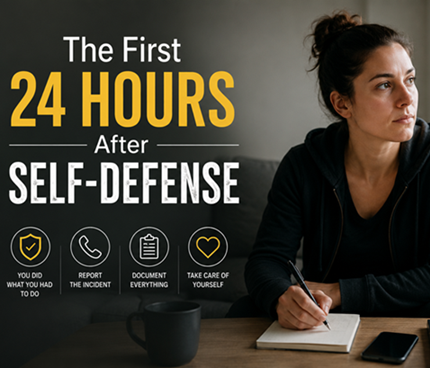
Post-incident steps — after a real encounter, call 911, state you acted in self-defense, and wait for legal counsel before giving detailed statements.
7. Building Muscle Memory Under Stress
High-stress situations cause adrenaline surges that can make your hands shake and your breathing quicken. The goal of training is to make your movements automatic so that stress doesn’t cause mistakes.
Stress Training Tips
-
Use a timer to create urgency.
-
Add background noise or music to simulate chaos.
-
Train outdoors and indoors for different terrain challenges.
8. Maintenance as Part of Training
A tool that fails when you need it is worse than no tool at all.
-
Check batteries weekly for stun guns and tasers.
-
Shake pepper spray canisters monthly and replace before expiration.
-
Keep devices clean and free of lint or debris.
9. Cross-Training With Multiple Tools
Many people carry more than one option—like pepper spray plus a stun gun.
Practice switching between them so you’re not stuck if one fails or isn’t practical in a given scenario.
10. Training With Professionals
Consider joining:
-
Self-Defense Classes — many martial arts or tactical training centers offer non-lethal weapons practice.
-
Manufacturer Courses — Byrna, TASER, and others provide certified training.
-
Local Defense Groups — community-based safety workshops.
11. Building Confidence Over Time
The more you train:
-
The less fear you feel about carrying your tool.
-
The faster you respond under pressure.
-
The more you trust yourself to make the right call.
Conclusion: Confidence Comes From Preparedness
Carrying a non-lethal tool is a commitment—not just to your safety but to the responsibility of using it wisely. Training without fear means practicing until using your tool feels as natural as buckling your seatbelt. When you commit to safe, consistent practice, you’re not just buying peace of mind—you’re building it.
Key Takeaways
-
Practice regularly with inert or safe versions of your tools.
-
Simulate realistic, high-pressure situations.
-
Keep legal knowledge as sharp as your deployment skills.
-
Maintain your tools so they work when needed.
-
Confidence comes from preparation, not possession.
See cost of stun guns, pepper guns, pepper sprays, TASERs