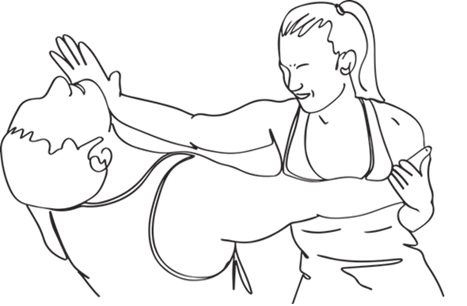
 The instinct to protect oneself from harm is one of a human's most fundamental drives. When faced with a threat, the law in most jurisdictions, including the United States, recognizes the right of an individual to use force, even deadly force in some circumstances, to defend themselves or others. However, this right is not absolute. It is governed by a complex legal concept known as "reasonable force." Understanding what constitutes reasonable force is crucial, as the line between a justifiable act of self-defense and an illegal assault or homicide can be perilously thin.
This blog post aims to delve into the intricacies of reasonable force in the context of self-defense. We will explore its general principles, the factors courts consider, the nuances of different legal doctrines like "Stand Your Ground" and the "Castle Doctrine," and the critical importance of imminence, necessity, and proportionality. It is vital to preface this discussion by stating that this article is for informational purposes only and does not constitute legal advice. Self-defense laws vary significantly by jurisdiction, and you should always consult with a qualified attorney in your area for advice specific to your situation.
What is "Reasonable Force" in Self-Defense?
At its core, reasonable force refers to the amount of force that an ordinary, prudent person would deem necessary under the same or similar circumstances to prevent harm from an aggressor. It’s not about an eye for an eye, but rather about using the minimal force required to neutralize an imminent threat. The key here is "reasonable." The law doesn't expect perfect judgment in a life-or-death situation, but it does expect a response that is proportionate to the threat faced.
For instance, if someone shoves you during a heated argument, responding with deadly force would almost certainly be deemed unreasonable. Conversely, if an assailant attacks you with a deadly weapon, responding with a level of force capable of stopping that deadly threat, which might include deadly force itself, could be considered reasonable.
The Pillars of Self-Defense: Imminence, Necessity, and Proportionality
To successfully claim self-defense, several elements generally need to be established. While specific legal language varies, three core principles consistently emerge:
-
Imminence of the Threat: The threat of harm must be immediate or about to happen. A vague threat of future harm or retaliation for a past event typically does not justify the use of force in self-defense. The danger must be actively unfolding or so close in time that a reasonable person would believe it is about to occur. For example, if someone verbally threatens to harm you next week, that generally doesn't create an imminent threat justifying immediate physical force. However, if that same person approaches you aggressively, raises a fist, and states they are about to strike you, the threat becomes imminent.
-
Necessity of Force: The use of force must be necessary to prevent the threatened harm. If there are other safe and reasonable means of avoiding the danger, such as retreating (in some jurisdictions), then using force might not be considered necessary. The law asks whether the individual had a genuine belief that force was required to prevent harm and whether that belief was reasonable under the circumstances. If you could have simply walked away from a minor altercation without any risk to your safety, resorting to physical force might be deemed unnecessary.
-
Proportionality of Force: This is perhaps the most critical and often debated aspect. The level of force used in self-defense must be proportionate to the level of the threat faced. You cannot use deadly force to repel a non-deadly threat.
- Non-Deadly Force: This is force not likely to cause death or serious bodily harm. It can be used to repel a threat of unlawful, non-deadly force. Examples include pushing someone away, restraining them, or using a compliance hold.
- Deadly Force: This is force likely to cause death or great bodily harm. Its use is generally justified only when a person reasonably believes they are in imminent danger of death or great bodily harm. "Great bodily harm" usually refers to serious injuries, such as broken bones, permanent disfigurement, or internal injuries, not just minor bruises or scrapes.
The determination of proportionality is highly fact-specific. A smaller, physically weaker individual might be justified in using a greater degree of force against a larger, stronger attacker than vice-versa, even if the initial threat appeared similar. The presence of a weapon significantly alters the proportionality analysis.
Factors Courts and Juries Consider
When a self-defense claim is made, courts and juries meticulously examine the circumstances surrounding the incident. Some common factors they consider include:
- The nature of the threat: Was it verbal or physical? Did it involve a weapon?
- The attacker's characteristics: Their size, strength, age, and any known history of violence.
- The defender's characteristics: Their size, strength, age, physical abilities, and any relevant past experiences.
- The surrounding environment: Was it a public place or a private residence? Were there escape routes?
- The presence of weapons: Did the attacker have a weapon? Did the defender have a weapon, and was its use justified?
- Any prior interactions or history between the parties: While not always a determining factor, a history of abuse or threats can sometimes be relevant to the defender's state of mind.
- The defender's state of mind: Did the defender genuinely believe they were in imminent danger, and was that belief reasonable? This is a subjective and objective test – the defender must have honestly believed it, and a reasonable person in their shoes would have believed it too.
- Whether the defender was the initial aggressor: Generally, the initial aggressor cannot claim self-defense unless they have clearly withdrawn from the conflict and the other party then becomes the aggressor.
- Attempts to de-escalate or retreat (where applicable): Did the defender try to avoid the confrontation if it was safe to do so?
The "Reasonable Person" Standard
A cornerstone of the reasonable force doctrine is the "reasonable person" standard. This hypothetical individual is not a superhero, nor are they expected to possess extraordinary courage or judgment. Instead, they are an ordinary citizen, with average prudence and sensibilities, placed in the same situation as the defender. The jury is asked to consider: "What would a reasonable person have done under these exact circumstances, with the same information and perceptions available to the defender at that critical moment?"
This standard acknowledges that decisions made in the heat of a dangerous encounter are often made with incomplete information and under extreme stress. It does not require the defender's actions to be the only possible course of action, merely a reasonable one.
Variations Across Jurisdictions: "Duty to Retreat" vs. "Stand Your Ground"
One of the most significant variations in self-defense law across the United States concerns the "duty to retreat."
-
Duty to Retreat States: In these jurisdictions, if a person is threatened, they generally have a legal obligation to retreat from the confrontation if they can do so safely before resorting to the use of deadly force. This means if a clear and safe escape route is available, it must be taken. The duty to retreat typically does not apply if the person is in their own home (see "Castle Doctrine" below). The rationale is that human life is paramount, and deadly force should be an absolute last resort.
-
"Stand Your Ground" States: A majority of states have adopted "Stand Your Ground" laws. These laws remove the duty to retreat if a person is in a place where they have a legal right to be and are facing an imminent threat of death, great bodily harm, or sometimes a forcible felony (like robbery or sexual assault). In these states, individuals can "stand their ground" and use proportionate force, including deadly force if justified, without first attempting to flee. Proponents argue these laws affirm an individual's right not to be forced to flee from an attacker. Opponents express concerns that they can escalate violence and make it harder to prosecute individuals who could have safely retreated.
It's crucial to know the specific laws of your state, as the presence or absence of a duty to retreat can dramatically impact the legality of a self-defense claim involving deadly force.
The Castle Doctrine: Your Home is Your Fortress
The Castle Doctrine is a long-standing legal principle recognized in almost all states, though its specifics can vary. It essentially states that a person has no duty to retreat when they are in their own home (their "castle") and are threatened with harm. They can use reasonable force, including deadly force if necessary, to defend themselves against an intruder who unlawfully and forcibly enters or attempts to enter their home and poses an imminent threat of harm.
Some states extend the Castle Doctrine to other locations like a person's vehicle or workplace. The underlying idea is that one's home is a place of ultimate sanctuary, and individuals should not be forced to flee from it when attacked.
Important Nuances and Common Misconceptions
- Provocation: You generally cannot provoke an attack and then claim self-defense when the person you provoked responds. If you are the initial aggressor, you typically forfeit the right to self-defense unless you clearly communicate your withdrawal from the conflict and the other party continues to attack.
- Retaliation vs. Self-Defense: Force used in retaliation for a past attack is not self-defense. Self-defense is about preventing imminent harm, not punishing someone for something they have already done. Once the threat has passed, the justification for using force also passes.
- Verbal Threats Alone: Words alone, no matter how offensive or insulting, generally do not justify the use of physical force in self-defense. There usually needs to be an accompanying overt act that creates a reasonable fear of imminent bodily harm. However, a credible verbal threat combined with actions indicating an intent and ability to carry it out can constitute an imminent threat.
- Defense of Others: The principles of reasonable force generally extend to the defense of others. If you reasonably believe another person is in imminent danger of unlawful harm, you can use the degree of force that the person being attacked would be justified in using to defend themselves.
- Defense of Property: The rules for using force to defend property are typically much more restrictive than for defending a person. Generally, deadly force is not permissible solely to protect property. Reasonable non-deadly force might be allowed to prevent theft or damage to property in some situations, but the laws vary widely. Using deadly force to, for example, stop someone from merely stealing your lawnmower would almost certainly be deemed unreasonable and illegal. There can be an overlap if a threat to property also involves a threat to personal safety, such as during a home invasion robbery.
The Aftermath of Using Force
Even if you believe your actions were justified, using force in self-defense can have serious and lasting consequences:
- Legal Scrutiny: Expect a thorough investigation by law enforcement. You may be arrested, and your case may go to a prosecutor who will decide whether to file charges.
- Criminal Charges: If the authorities do not believe your use of force was reasonable, you could face criminal charges ranging from assault to manslaughter or murder.
- Civil Lawsuits: Even if you are not criminally charged or are acquitted, the person you harmed (or their family, if deceased) can still file a civil lawsuit against you for damages. The burden of proof in a civil case (preponderance of the evidence) is lower than in a criminal case (beyond a reasonable doubt).
- Emotional and Psychological Impact: The act of using force against another human being, even in self-defense, can be deeply traumatic and have long-term psychological effects.
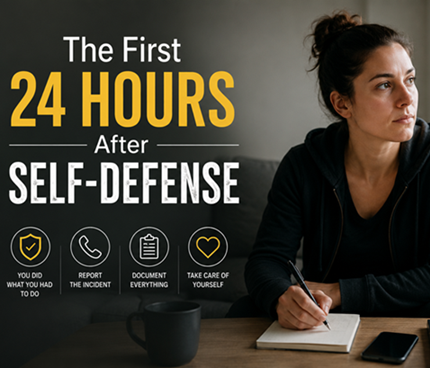
Steps to Take if You Use Force in Self-Defense
- Ensure Your Safety and Call for Help: Your immediate priority is safety. If the threat is neutralized, call 911 immediately. Report the incident and request police and medical assistance if needed.
- Cooperate with Law Enforcement (but be mindful): When law enforcement arrives, comply with their instructions. You will likely be questioned. It is crucial to state that you were attacked and acted in self-defense. However, avoid making lengthy, detailed statements without an attorney present. Adrenaline and stress can make recollections unreliable in the immediate aftermath.
- Preserve Evidence: If possible and safe to do so, try to preserve the scene and any evidence. Note any witnesses.
- Seek Legal Counsel Immediately: Contact a qualified criminal defense attorney as soon as possible. An attorney can protect your rights, advise you on how to proceed, and represent you throughout any legal proceedings.
- Seek Medical Attention: Even if you don't think you're seriously injured, get a medical check-up. This documents any injuries you sustained, which can be important evidence.
- Mental Health Support: Consider seeking counseling or therapy to deal with the emotional aftermath of the incident.
Conclusion: A Balancing Act of Rights and Responsibilities
The right to defend oneself is fundamental, but it is intrinsically linked to the responsibility to act reasonably and proportionately. Understanding the legal framework of reasonable force is not about becoming a legal expert overnight, but about appreciating the gravity of using force and the factors that will be scrutinized if you ever find yourself in such an unfortunate situation.
The law attempts to strike a delicate balance: protecting individuals from unlawful aggression while simultaneously deterring vigilantism and excessive violence. The concepts of imminence, necessity, and proportionality are the scales upon which this balance is weighed. Knowing the laws in your specific jurisdiction, including your state's stance on the duty to retreat and the Castle Doctrine, is paramount.
Ultimately, the best self-defense is to avoid confrontations whenever possible. De-escalation, situational awareness, and making safe choices are your first lines of defense. However, if faced with an unavoidable and imminent threat, a sound understanding of reasonable force can help guide your actions and, critically, help articulate the justification for those actions in the aftermath. Remember, the goal is to stop the threat, not to inflict punishment, and to do so in a way that a reasonable person, under the same harrowing circumstances, would find justifiable.
Disclaimer: This blog post provides general information about legal topics and should not be construed as legal advice. Self-defense laws are complex and vary significantly by jurisdiction. If you have specific questions or find yourself in a situation involving self-defense, consult with a qualified attorney licensed in your state.