by P. Birmingham
 In a world where conflict can arise suddenly and in unexpected ways, knowing how to handle tense situations without resorting to force is an invaluable skill. Whether you're a security professional, a first responder, a teacher, or simply someone who wants to be prepared for real-world confrontations, verbal de-escalation techniques can be your most powerful tool.
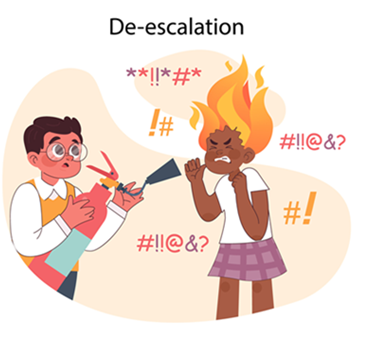
Verbal de-escalation is not about “winning” an argument or asserting dominance; it's about calming the situation, protecting yourself and others, and restoring peace. In this post, we'll explore the principles of de-escalation, key techniques, practical examples, and how to practice these skills in your daily life.
What Is Verbal De-Escalation?
Verbal de-escalation is the strategic use of calm, respectful communication to reduce a person’s agitation, defuse potential violence, and guide them toward a more rational and cooperative state. The goal is not to control the person, but to decrease the intensity of the situation and increase safety.
This technique is especially useful when:
-
Someone is emotionally charged or angry
-
A misunderstanding threatens to become physical
-
You're dealing with a person in crisis, under stress, or impaired
-
You need to buy time for help to arrive
Why It Matters
Many confrontations that escalate into violence could have been avoided with better communication. Here are a few key reasons why verbal de-escalation is essential:
-
Reduces risk of injury for everyone involved
-
Protects your legal standing by avoiding unnecessary use of force
-
Builds trust and respect, even in tense moments
-
Strengthens your personal confidence and situational awareness
-
Demonstrates professionalism in high-stakes environments
The Psychology Behind Escalation
Understanding the psychology of conflict is the foundation of de-escalation. When someone feels threatened, disrespected, or misunderstood, their brain can shift into a "fight-or-flight" mode. This is governed by the amygdala, the part of the brain responsible for emotional responses.
In this state, rational thinking is reduced, and the person becomes reactive, aggressive, or emotionally volatile. Your job in verbal de-escalation is to lower the emotional temperature, re-engage the rational part of the brain, and guide the person to a calmer state.
Core Principles of Verbal De-Escalation
Before diving into specific phrases and actions, it’s important to understand the key principles that underlie all effective de-escalation efforts:
1. Stay Calm and Controlled
Your tone, facial expression, and body language must all project calmness. If you appear agitated or hostile, you risk mirroring and escalating the person’s behavior.
2. Be Respectful
Even if the other person is being rude or threatening, treat them with respect. Respect does not mean submission—it means showing that you see their humanity.
3. Listen Actively
Let them speak without interrupting. Use active listening cues: nod, maintain eye contact (without staring), and use empathetic responses like “I hear you” or “That sounds frustrating.”
4. Create Space
Physical proximity can be a trigger. Maintain a safe, non-threatening distance, and ensure your body language is open (avoid crossed arms or hands in pockets).
5. Avoid Power Struggles
You don’t have to prove who’s right. Avoid arguing, correcting, or “calling out” the person. Instead, guide the conversation toward solutions.
Effective Verbal De-Escalation Techniques
Here are 10 proven verbal techniques you can use to help de-escalate most situations:
1. Use a Calm, Soft Voice
Speaking slowly and softly encourages the other person to match your tone. Avoid shouting, sarcasm, or a stern voice.
Example:
"Let’s talk about this. I want to understand what’s going on."
2. Empathize Without Agreeing
Acknowledging their feelings is not the same as agreeing with their behavior.
Example:
"I can see that you're really upset right now. That must be frustrating."
This shows empathy and helps the person feel heard, which can reduce emotional intensity.
3. Set Clear Boundaries
It’s okay to set limits respectfully. Be direct, firm, and non-threatening.
Example:
"I want to help you, but I can’t do that if you keep yelling."
4. Offer Choices
Giving someone limited choices helps them feel in control and reduces defiance.
Example:
"Would you like to talk about this here or step outside where it’s quieter?"
5. Use the “Broken Record” Technique
Repeat a calm, consistent message without reacting emotionally. This helps avoid power struggles.
Example:
"I understand you're upset, and I’m here to help."
(Repeat as necessary.)
6. Redirect the Conversation
If the person is fixated on a grievance or irrational thought, gently steer them toward a solution or a neutral topic.
Example:
"Right now, what’s most important is making sure you’re safe. Let’s focus on that first."
7. Validate, Then Redirect
Acknowledge their emotion, then move the conversation toward resolution.
Example:
"You're right—this situation isn't fair. But yelling at me won't fix it. Let's figure out what we can do next."
8. Use Non-Threatening Language
Avoid “you” statements that sound accusatory. Focus on “I” or neutral statements.
Instead of:
"You’re acting crazy!"
Try:
"I can see this situation is overwhelming. Let’s take a step back together."
9. Pause Before Responding
A few seconds of silence can allow both of you to regroup and think more clearly. It also shows control and intentionality.
10. Know When to Walk Away or Call for Help
If the situation becomes unsafe or unmanageable, don’t try to be a hero. Your goal is safety, not to win an argument.
Real-World Examples
Example 1: Dealing with an Angry Customer
Scenario:
A customer is shouting about a late delivery.
You Say:
"I hear that you're frustrated about the delay. I want to help. Let’s look at what I can do to fix this for you today."
This response validates the feeling, avoids blame, and focuses on solutions.
Example 2: De-Escalating a Domestic Argument in Public
Scenario:
Two people are yelling in a parking lot, and one appears threatening.
You Say:
"Hey folks, I’m just making sure everyone’s okay. Is there anything I can do to help you sort this out?"
Stay neutral, calm, and don’t take sides.
Example 3: Confronting Someone Trespassing
Scenario:
Someone is on your property, acting erratically.
You Say:
"Hey, I noticed you’re here—can I help you with something? This is private property, but if you’re in trouble, I can call someone for you."
Avoid threatening language, and offer assistance if appropriate.
Common Mistakes to Avoid
-
Matching their energy: Yelling or arguing back escalates the conflict.
-
Using sarcasm or humor: What seems like a joke to you may feel like ridicule to them.
-
Touching the person: Physical contact can be seen as a threat.
-
Over-explaining: Keep your statements simple and direct.
-
Ignoring safety: Always assess for weapons, escape routes, or signs of intoxication.
Training and Practice
Just like any skill, verbal de-escalation improves with practice. Here are some ways to get better:
1. Role-Playing Scenarios
Practice different conflict situations with a friend or coworker. Switch roles to understand both perspectives.
2. Observe Real Situations
Watch videos of law enforcement, customer service, or security professionals. Analyze what worked and what didn’t.
3. Learn from Mistakes
After a tense encounter, reflect on what you said, how the person responded, and how you could improve next time.
4. Take a Class
Many organizations offer conflict resolution, crisis intervention, or verbal judo training.
When Verbal De-Escalation Isn’t Enough
Despite your best efforts, some people may not calm down. If someone becomes physically violent, threatens your safety, or appears to be in a severe mental health crisis, it’s time to back away and call professionals. Your safety is the top priority.
In some cases, non-verbal self-defense tools—like stun guns or pepper spray—may be justified. But those should be your last resort, used only when necessary to protect yourself or others.
Final Thoughts
Verbal de-escalation isn’t about being passive. It’s about being strategic, empathetic, and in control. It empowers you to protect yourself without escalating violence, and it’s a core skill in the toolkit of anyone who values personal safety and professionalism.
Whether you’re on the job, at home, or out in public, mastering these techniques will help you manage conflict with grace and confidence. In many cases, the right words can do more to stop a threat than any weapon.
Summary: Key Takeaways
-
Stay calm, respectful, and maintain a non-threatening posture.
-
Use active listening and empathetic statements.
-
Set clear boundaries and avoid power struggles.
-
Redirect conversations toward solutions and safety.
-
Practice regularly to sharpen your de-escalation instincts.
By developing your verbal de-escalation skills, you're not just preventing violence—you're promoting peace, safety, and mutual understanding in a world that needs it more than ever.