by P. Birmingham
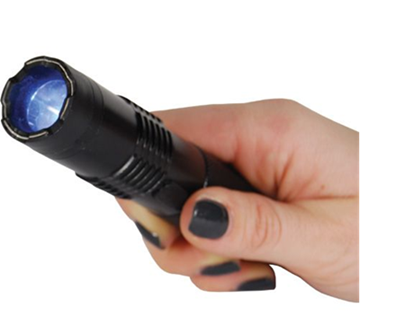 Using a stun gun in self-defense is a high-stress, high-stakes decision. It's not something anyone wants to do, but in a dangerous situation, it might be the best—or only—option to protect yourself. Once the moment passes and the immediate threat is neutralized, what happens next is just as important as what you did during the encounter.
Understanding the right steps to take after deploying a stun gun can protect you legally, emotionally, and physically. In this guide, we'll walk through what you should do immediately after using a stun gun in self-defense, the potential legal aftermath, and how to prepare for future situations.
1. Ensure Your Immediate Safety
First and foremost: make sure you’re still safe. The attacker might be immobilized temporarily, but you need to stay alert. Here’s what to consider:
-
Create distance: If the assailant is down, move away quickly. Do not stand over them or stay within reach.
-
Look for exits: Leave the area if possible. Get to a place with people or surveillance cameras.
-
Call for help: If there are bystanders, ask them to help or call 911.
A stun gun provides a window of escape—use it.
2. Call 911 Immediately
Even if your attacker runs off or is no longer a threat, call 911 as soon as possible. Here’s why:
-
Establish your role as the victim: The first person to report the incident often frames the narrative.
-
Report the use of a weapon: Stun guns are considered weapons. Authorities need to know one was used.
-
Document the event: A police report will be vital if charges are pressed or if you need legal defense.
Be calm and clear. Say something like: "I just used my stun gun in self-defense. Someone tried to attack me. I’m safe now but need assistance."
Give your location, description of the attacker, and any injuries you or others may have.
3. Don’t Leave the Scene Unless You Must
Unless you are still in danger, do not leave the scene before speaking to law enforcement. If you must leave for safety, inform 911 of where you’re going and why.
Leaving without explanation can make you look like the aggressor or someone trying to hide something.
4. Cooperate Fully With Law Enforcement
When police arrive, stay calm. Keep your hands visible. Explain:
Avoid over-explaining, blaming, or giving emotional outbursts. Stick to the facts. If you feel unsure about what to say, you can state, "I want to cooperate fully, but I’d like to speak with an attorney before answering more questions."
This is your right—not an admission of guilt.
5. Get Medical Attention if Needed
Adrenaline can mask injuries. After a violent encounter, it's smart to get checked out:
-
You may have injuries you don’t immediately notice
-
The attacker may need medical attention as well, and police may ask you for information about their condition
Having medical records can also help support your case if charges or lawsuits arise.
6. Document Everything
Even if a police report is filed, take time to personally document your experience while it's still fresh:
-
Write down everything that happened, including times and locations
-
Take photos of any injuries or damage to personal property
-
Save any security footage if available (from doorbell cameras, stores, parking garages)
-
Identify potential witnesses and get their contact info
This record could be invaluable for legal defense, insurance claims, or follow-up investigations.
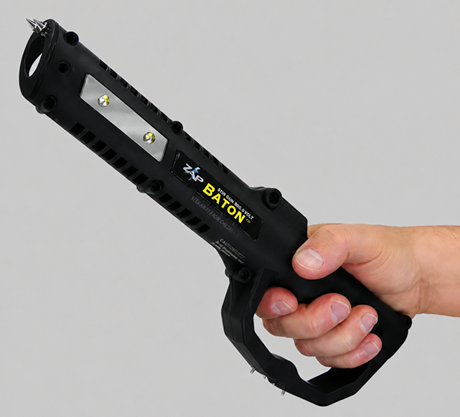
7. Secure and Recharge Your Stun Gun
After the incident, inspect your stun gun:
If your device was taken, you’ll need to ask when or if it will be returned. Keep a backup stun gun if your area legally allows it.
8. Understand the Legal Process
Depending on your state and the situation, using a stun gun—even in self-defense—could result in:
It’s crucial to know your local laws. Some states require stun gun registration; others ban them outright. Consulting with a criminal defense attorney is highly recommended.
9. Be Prepared for Emotional Aftershocks
Even if no one was seriously hurt, using force to defend yourself is traumatic. You might experience:
-
Anxiety
-
Guilt
-
Hypervigilance
-
Difficulty sleeping
This is normal. Consider talking to a counselor, especially one who specializes in trauma or self-defense situations. Don’t bottle it up.
You protected yourself. That doesn’t make the experience any less intense.
10. Evaluate and Upgrade Your Preparedness
After the dust settles, ask yourself:
-
Did I handle that the best I could?
-
Was I familiar enough with my stun gun?
-
Did I freeze or stay calm?
-
What could I have done differently?
Use the experience to improve your future readiness:
-
Practice with your stun gun in safe, legal settings
-
Take a self-defense class
-
Learn about verbal de-escalation
-
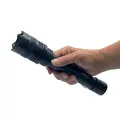
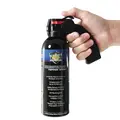
Carry other safety tools like pepper spray, alarms, or tactical flashlights
Being proactive is empowering.
Final Thoughts
Using a stun gun in self-defense is a serious decision with potentially life-altering consequences. But knowing what to do after the incident can make all the difference. From ensuring your safety and cooperating with law enforcement, to understanding your legal rights and caring for your emotional wellbeing, each step matters.
By staying calm, documenting thoroughly, and seeking legal and emotional support, you can protect yourself again—this time from the aftermath.
Stay safe, stay ready, and stay informed.
Disclaimer: This article is for informational purposes only and does not constitute legal advice. Always consult an attorney familiar with local self-defense laws in your jurisdiction.