by P. Birmingham
 Encountering a situation where someone wants to physically fight you can be a terrifying and dangerous experience. Your immediate priority should always be your safety and the safety of those around you. While it might be tempting to stand your ground or retaliate, the wisest and most effective course of action is almost always to de-escalate and disengage. This guide will walk you through the steps to take, from preventing a fight to surviving one if it becomes unavoidable.
Part 1: De-escalation and Disengagement
Your best defense is to avoid the fight altogether. This requires remaining calm, using your voice, and knowing when to walk away.
Stay Calm and Assess the Situation
The first and most critical step is to remain as calm as possible. Panicking will cloud your judgment and make it harder to think clearly. Take a deep breath. Observe the other person's body language and tone of voice. Are they truly aggressive, or are they just frustrated and lashing out? Is the situation escalating rapidly? Is there a clear path to safety?
Use De-escalation Techniques
Your voice is your most powerful tool. Speak in a low, even tone. Avoid yelling, which can be seen as a challenge. Use phrases that show you're not a threat, such as:
-
"I understand you're upset."
-
"I don't want any trouble."
-
"Let's just calm down and talk this out."
Try to reframe the conflict. Instead of focusing on who is right or wrong, focus on finding a resolution. If you can, apologize for any misunderstanding, even if you don't believe you were in the wrong. This is not about admitting guilt; it’s about defusing the tension.
Maintain Non-Threatening Body Language
Your physical posture speaks volumes. Avoid standing with your hands on your hips or crossing your arms, as these can be seen as aggressive poses. Keep your hands visible, with open palms. This shows you are not hiding a weapon and that you are not a threat. Maintain a safe distance—at least an arm's length away—and be aware of your surroundings. Look for potential escape routes.
Know When to Disengage
If the other person remains aggressive, or if the situation is escalating, your best option is to remove yourself from the situation entirely. Your ego is not worth a trip to the hospital. There is no shame in walking away from a fight. Your safety is paramount.
Part 2: If De-escalation Fails and an Attack Becomes Imminent
While we all hope to avoid physical altercations, it's vital to know what to do if de-escalation fails and you're in a situation where you're being attacked. Your primary goal shifts from avoiding a fight to surviving it.
Your Goal Is Survival, Not "Winning"
First and foremost, you must discard any notion of "winning" a fight. This is not a contest. This is a life-or-death situation. Your sole objective is to survive the encounter and escape to safety. This means you should do whatever is necessary to stop the attack and get away, and nothing more. The moment the threat is neutralized and you have a clear path to safety, you should take it.
The Power of Assertiveness and Body Language
Before physical contact is made, there may be a moment where you can still deter the attacker. While de-escalation uses a calm, non-threatening posture, an imminent attack calls for a shift in your body language to a more assertive, but still non-aggressive, stance.
-
Maintain a "bladed" stance. Turn your body so that one shoulder is facing the attacker. This makes you a smaller target and protects your vital organs.
-
Keep your hands up. Position your hands near your face, palms facing out, in a defensive or "fence" position. This allows you to block an incoming strike and also serves as a visual signal that you are not a threat, but you are ready to defend yourself.
-
Speak with authority. Your voice should be firm and loud. Shout something like "STOP!" or "BACK OFF!" or "I DON'T WANT TO FIGHT YOU!" This can draw the attention of others and may cause the attacker to hesitate.
If an Attack Occurs: Self-Defense
If the person attacks you, you have the right to defend yourself. This is where the principles of self-defense come into play. A key concept here is "proportionality"—your response should be reasonable and necessary to stop the threat.
-
Create Distance. The first and most critical action is to create space between you and the attacker. If you can, take a quick step or two backward to get out of their striking range.
-
Block and Redirect. Focus on blocking incoming punches or kicks. You are not trying to hurt them, but to protect yourself. Use your forearms and hands to absorb the impact and push the attack away from your body.
-
Target Vulnerable Areas. If you are forced to strike back, you should aim for areas that will stop the person from continuing their attack and allow you to escape. These areas include the eyes, nose, throat, groin, and knees. These are not about inflicting pain, but about temporarily incapacitating the attacker so you can get away.
-
Use Leverage and Body Weight. Don't rely on brute strength. If you have any training in martial arts or self-defense, use leverage and body weight to unbalance the attacker. A simple shove to the chest can create enough space for you to turn and run.
Part 3: After the Attack: The Path to Safety and Recovery
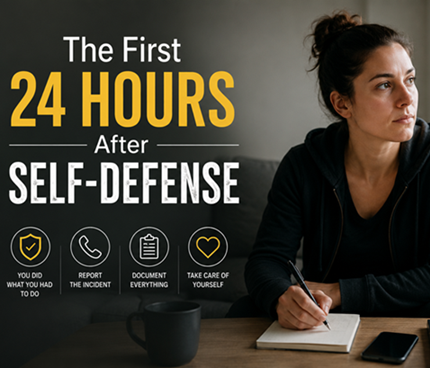
The moments immediately following an attack are just as important as the attack itself. Your actions can help ensure your safety, provide evidence for legal action, and start your recovery.
1. Get to a Safe Place and Call for Help
The very first thing you need to do is get as far away from the attacker as possible. Run into a store, a crowded street, or a neighbor's house. Once you're in a secure location, call 911 (or your local emergency services). Tell the dispatcher your location and that you have been attacked.
2. Seek Medical Attention
Even if you don't think you're seriously injured, it's critical to get a medical evaluation. Adrenaline can mask pain, and you might have injuries you're not aware of. A medical professional can assess you for concussions, internal injuries, or other issues. Additionally, the medical report from the visit will be a crucial piece of evidence if you decide to press charges.
3. Document and Report the Incident
Once you're safe and have received medical care, it's time to document everything you can remember. Write down the details while they're still fresh in your mind:
-
The time and date of the attack.
-
The location.
-
A physical description of the attacker (height, weight, hair color, clothing).
-
A sequence of events—what was said, how the attack happened, and how you escaped.
-
Take photos of any injuries, no matter how minor.
You should file a police report as soon as you are able. When speaking with the police, stick to the facts and your personal observations. You are a victim, and the report is the first step toward holding the person accountable.
4. The Legal and Emotional Aftermath
Navigating the legal system and dealing with the emotional trauma of an attack can be overwhelming.
-
Consult a Lawyer. You have a right to defend yourself, but depending on the circumstances, an attacker might try to claim you were the aggressor. A criminal defense lawyer can help you understand your rights and the legal process.
-
Seek Emotional Support. An assault is a traumatic event. It's normal to feel scared, angry, or anxious long after the incident. Talk to a trusted friend or family member, and consider seeking professional help from a therapist or counselor.
Remember, there is no shame in being a victim. What happened to you was not your fault. By taking these steps, you are not only helping yourself but also helping to ensure that the person who harmed you is held accountable. Your journey is one of survival, recovery, and justice.