by P. Birmingham
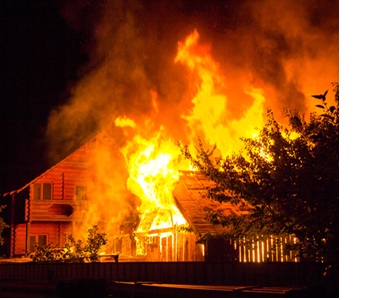 Throughout history, some of the world’s most devastating catastrophes were not caused by earthquakes, hurricanes, or tsunamis but by human hands. Human-made disasters can be sudden and shocking or build slowly over years, eventually erupting into tragedy. They can claim thousands of lives, destroy cities, destabilize economies, and leave lasting scars on society.
Understanding what usually leads to catastrophic events caused by humans is critical for prevention. By recognizing patterns, psychological traps, and systemic weaknesses, societies and organizations can reduce the likelihood of repeating the same devastating mistakes.
In this post, we will explore the key factors that commonly lead to catastrophic events caused by humans. These include:
-
Human Error and Negligence
-
Corporate Greed and Profit Over Safety
-
Systemic and Organizational Failures
-
Regulatory Lapses and Weak Oversight
-
Technological Hubris and Poor Risk Assessment
-
Political Decisions and Corruption
-
Psychological Blind Spots and Cognitive Biases
-
Failure to Learn from Past Disasters
Each of these factors contributes to human-made catastrophes in unique and sometimes overlapping ways. Through real-world examples, we’ll examine how these elements converge to create the perfect storm.
1. Human Error and Negligence
At the most basic level, many catastrophes can be traced back to simple human mistakes or lapses in judgment. These errors might seem minor at the moment but can snowball into large-scale disasters.
Examples:
-
Chernobyl Nuclear Disaster (1986): Operators conducted a flawed safety test under dangerous conditions, disabling critical safeguards. The resulting reactor explosion released deadly radiation across Europe.
-
Bhopal Gas Tragedy (1984): A gas leak at the Union Carbide pesticide plant in India killed thousands. Poor maintenance, cost-cutting, and inadequate safety training were key contributors.
Common Human Errors:
The Dangerous Combination:
Negligence often accompanies human error. Sometimes safety protocols are ignored to save time, reduce costs, or meet deadlines. These shortcuts can set the stage for disaster.
2. Corporate Greed and Profit Over Safety
Many catastrophic events happen because companies prioritize profits over human lives. In highly competitive industries, companies sometimes choose to cut corners, delay safety upgrades, or downplay risks.
Notable Example:
-
BP Deepwater Horizon Oil Spill (2010): The worst oil spill in history was driven by cost-cutting, ignored warning signs, and rushed decisions. The blowout killed 11 workers and caused environmental damage for years.
Profit-Driven Disasters Often Involve:
-
Use of cheaper, lower-quality materials
-
Pressure to meet unrealistic production deadlines
-
Suppression of internal safety concerns
-
Lack of investment in proper maintenance
Why This Happens:
-
Companies are incentivized to maximize shareholder returns.
-
Employees fear losing their jobs if they raise safety concerns.
-
Leaders rationalize that "it probably won't happen."
When profits consistently trump safety, the seeds of disaster are planted.
3. Systemic and Organizational Failures
Some catastrophes result not from a single mistake, but from systemic weaknesses embedded deep within organizations or industries. Complex systems like transportation, finance, or energy can fail spectacularly when multiple safeguards break down simultaneously.
Example:
Typical Signs of Systemic Failure:
-
Multiple minor failures that cascade into a major one
-
Poor communication across departments or teams
-
Organizational culture that discourages dissent
-
Over-reliance on past success ("We’ve done this before, so it must be safe now")
Systemic failures are particularly dangerous because they are often invisible until they explode.
4. Regulatory Lapses and Weak Oversight
When government agencies or industry watchdogs fail to properly regulate hazardous industries, human-made catastrophes become more likely.
Examples:
-
Boeing 737 MAX Crashes (2018 & 2019): Boeing pressured the Federal Aviation Administration (FAA) to fast-track certification of its new aircraft. The FAA delegated too much oversight to Boeing itself, leading to flawed software that caused two deadly crashes.
-
Financial Crisis (2008): Lax regulation of risky lending practices, subprime mortgages, and financial derivatives helped trigger a global economic meltdown.
Why Regulatory Failures Happen:
-
Regulators may be underfunded or understaffed.
-
Industries may have undue influence through lobbying.
-
Regulators may become too cozy with the industries they are supposed to monitor (regulatory capture).
Without strong, independent oversight, businesses can operate unsafely until disaster strikes.
5. Technological Hubris and Poor Risk Assessment
Some of the worst disasters in history have come from overconfidence in technology. When humans push the boundaries of innovation without fully understanding the risks, catastrophe can follow.
Example:
Patterns of Technological Hubris:
-
Believing a system is too advanced to fail.
-
Ignoring dissenting expert opinions.
-
Inadequate testing under real-world conditions.
-
Relying on flawed assumptions in system design.
Often, pioneers of new technology are blind to the possibility that their innovation may be inherently unsafe.
6. Political Decisions and Corruption
Sometimes human-made disasters are caused or worsened by bad political choices, corruption, or a lack of government accountability.
Examples:
-
Hurricane Katrina (2005): Poor urban planning, ignored flood protection warnings, and slow, disorganized government response contributed to the disaster’s scale.
-
Beirut Port Explosion (2020): Nearly 3,000 tons of ammonium nitrate were unsafely stored for years, despite repeated warnings. Corruption, bureaucratic paralysis, and negligence allowed it to sit until it exploded, killing over 200 people.
Political and Corruption Factors:
-
Mismanagement of public safety resources
-
Poor infrastructure regulation
-
Prioritizing political gain over public welfare
-
Bribery and kickbacks that weaken safety enforcement
When corruption infects safety-critical sectors, the public inevitably pays the price.
7. Psychological Blind Spots and Cognitive Biases
Human psychology plays a massive role in catastrophic events. Often, people within organizations recognize risks but rationalize them away due to cognitive biases.
Common Biases in Disasters:
-
Normalcy Bias: Believing that because a catastrophic event has never happened before, it won’t happen now.
-
Optimism Bias: Thinking "it won’t happen to me" or "we’ll catch the problem in time."
-
Groupthink: Suppressing dissent to maintain harmony within a group or organization.
-
Authority Bias: Trusting the judgment of leaders even when evidence suggests they are wrong.
Example:
These psychological blind spots can override logic and caution, paving the way for catastrophe.
8. Failure to Learn from Past Disasters
History repeats itself, especially when societies and organizations fail to internalize the lessons of previous catastrophes.
Examples:
-
Floods in New Orleans (Post-Katrina): Despite Katrina’s devastation, many of the rebuilt areas remain vulnerable due to insufficient levee improvements.
-
Financial Bubbles: Despite repeated financial crises throughout history, governments and banks continue to allow risky lending and speculative bubbles to form.
Why Lessons Are Forgotten:
-
Institutional memory fades as employees and leaders retire or move on.
-
The desire for profit or growth overrides caution.
-
Societies get complacent in the absence of recent disasters.
When people forget the past, they inadvertently create the conditions for the next disaster.
Real-World Catastrophes: A Summary of Key Triggers
Let’s briefly review some of the most notable human-made disasters and what primarily caused them.
| Catastrophe |
Primary Cause |
| Chernobyl Nuclear Disaster |
Human error, systemic failure |
| BP Deepwater Horizon Oil Spill |
Corporate greed, regulatory failure |
| Challenger Space Shuttle |
Systemic failure, psychological bias |
| Boeing 737 MAX Crashes |
Corporate pressure, regulatory lapse |
| Bhopal Gas Tragedy |
Negligence, poor safety culture |
| Beirut Port Explosion |
Corruption, government mismanagement |
| Fukushima Nuclear Disaster |
Technological hubris, underestimated risk |
How to Prevent Human-Made Catastrophes
While natural disasters may be inevitable, human-made catastrophes are often preventable. Here are key strategies to reduce their likelihood:
1. Foster a Culture of Safety
-
Encourage whistleblowing and protect those who raise concerns.
-
Train leaders to prioritize safety over speed and profit.
-
Regularly review and test safety systems.
2. Strengthen Oversight and Accountability
-
Ensure regulatory agencies are independent and well-funded.
-
Enforce strict penalties for safety violations.
-
Prevent regulatory capture by limiting industry influence over watchdogs.
3. Invest in Redundancy and Resilience
-
Build multiple safety layers into complex systems.
-
Conduct real-world simulations of worst-case scenarios.
-
Regularly update and rehearse disaster response plans.
4. Combat Psychological Biases
-
Educate decision-makers about cognitive traps.
-
Create processes that require diverse opinions and dissenting voices.
-
Make it acceptable to halt projects if safety concerns arise.
5. Institutionalize Learning
-
Thoroughly investigate all accidents and share findings widely.
-
Codify lessons learned into safety protocols.
-
Keep institutional memory alive through documentation and training.
Conclusion: Catastrophes Rarely Come Out of Nowhere
One of the most dangerous misconceptions is that catastrophes are freak accidents that no one could have predicted. In reality, most human-made disasters give warnings long before they strike. Red flags are often ignored, dismissed, or deliberately hidden due to greed, complacency, or pressure.
Catastrophes usually result from a chain of preventable mistakes. They involve overlapping failures in human judgment, organizational culture, oversight, and technology. Understanding these common triggers allows us to design better systems, demand stronger accountability, and ultimately, save lives.
The most important lesson is that vigilance must be constant. The moment an organization or society thinks, “It can’t happen here,” is often the moment they are most vulnerable.
By studying the root causes of human-made catastrophes, we can break the cycle of preventable disaster. The next tragedy may not be inevitable—if we choose to act before it’s too late.