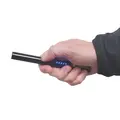
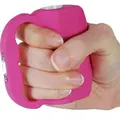
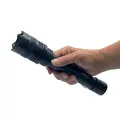
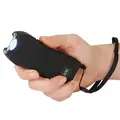
If you need a less-lethal option for personal safety choose by mission: bedside readiness, capacity for training and extended use, or everyday concealability. The right Byrna model depends on how you plan to carry it, where you will keep it, and how you will train with it.
Introduction — purpose and framing
A defensive tool must match an intended use. A product chosen for a nightstand does not always translate to comfortable everyday carry. A model optimized for training and repeated fire may be heavier and less discreet. This article explains the differences among the Byrna SD, Byrna LE, and Byrna Compact. It breaks their strengths into practical missions. It then gives decision rules you can apply immediately to pick the model that fits your routines and risks.
Quick comparative snapshot
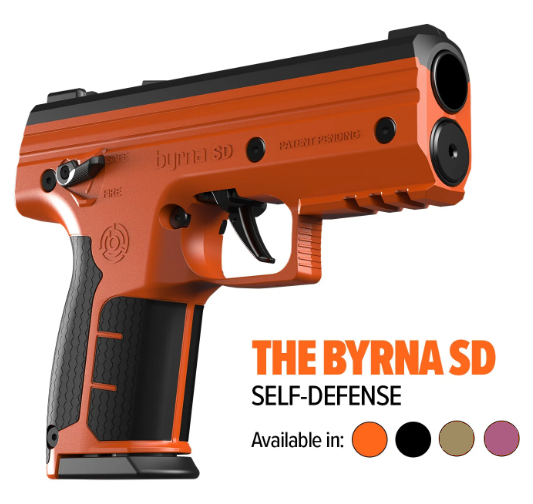
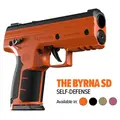
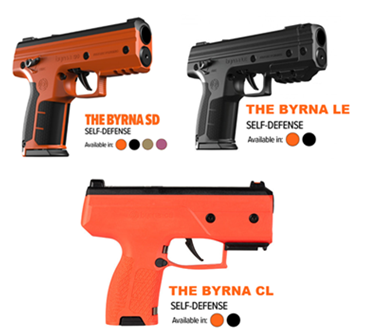
Byrna SD — balanced, ready, practical for home or vehicle.
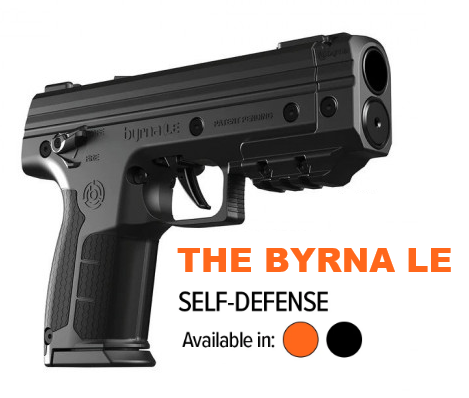
Byrna LE — capacity and training-friendly. Best when rounds per cartridge and power matter.
Byrna CL — smallest and most concealable. Designed for constant carry.
These are not marketing slogans. They describe the tradeoffs between size, capacity, and missions.
Why mission-first selection matters
Tools create friction or remove it. If your tool fits your day it will be with you and maintained. If it is awkward you will store it away and ignore training. Choose the launcher that minimizes friction for the role you actually need it to perform. That role will determine the optimal balance of size, power, and capacity. The rest of this article walks through the three models with concrete scenarios and then gives a short checklist you can use to decide.
Byrna SD — the everyday workhorse (what it is and when to pick it)
The Byrna SD is the middle-ground choice. It is compact enough to be stored on a bedside table or inside a vehicle console while offering a size that still feels secure and controllable in a high-stress moment. For users who want quick access without sacrificing shot stability the SD excels. It is the model to choose when your priority is immediate readiness rather than long sessions of training or extreme concealment.
Use cases for the SD
Nightstand response to an intrusion. Easy to reach, easy to deploy.
Center-console storage in a vehicle for roadside emergency defense.
Home defense for households that value a straightforward, robust tool without the bulk of a higher-capacity platform.
Operational strengths and limitations
Strengths: balanced ergonomics, quick access, reliable performance under routine storage conditions. Limitations: fewer rounds than the LE, larger than the Compact for concealed carry. The SD is a compromise. If compromise suits your daily life you gain simplicity and readiness.
Byrna LE — capacity and training focus (what it is and when to pick it)
The Byrna LE emphasizes rounds per CO₂ and compatibility with common 12-gram CO₂ cartridges. That compatibility reduces cartridge swap frequency and lowers friction during extended training sessions. The LE’s larger footprint is intentional. It buys you higher capacity and a platform that tolerates repeated drills without the same level of consumable logistics as smaller launchers. Choose the LE when you plan to do regular dry-fire or live training and when capacity during a prolonged engagement is a priority.
Use cases for the LE
Regular, structured training sessions where cartridge economy and sustained practice matter.
Locations where size is not a primary constraint but capacity and follow-up shots might be.
Users who want a robust home-defense platform and also expect to use the launcher for demonstrations, training, or repeated practice.
Operational strengths and limitations
Strengths: more rounds per cartridge, compatible with widely available CO₂ canisters, easier logistics for training. Limitations: bulkier and less suited for deep concealment or constant carry. If your daily routine tolerates a larger tool you gain a trainer-ready system and fewer cartridge swaps.
Byrna CL — concealability first (what it is and when to pick it)
The CL is built for constant carry. It is the smallest launcher in the Byrna lineup and is optimized for concealed transport in a bag, purse, or deep-conceal holster. That concealability makes it an effective option for people whose primary risk model is outside the home and who need a less-lethal deterrent that will travel with them every day. If you carry as part of your daily routine the Compact reduces the friction of bringing a defensive tool along.
Use cases for the CL
Everyday carry in urban environments where you want a discreet option within reach.
Situations where concealment is legally or socially sensitive.
Users who prioritize minimal weight and maximum discretion.
Operational strengths and limitations
Strengths: smallest footprint, maximal concealability, designed to be carried constantly. Limitations: lower capacity than the LE, shorter per-cartridge endurance, potentially more frequent CO₂ swaps during extended training. The tradeoff is intentional: concealability at the cost of capacity.
Core technology that matters: pull-pierce cartridges, ammunition types, and effective range
All Byrna launchers use the pull-pierce CO₂ system. That design keeps the CO₂ cartridge unpierced until the moment of firing. The practical effect is near-zero leakage and a loaded launcher that remains shelf-stable indefinitely. That makes loaded storage feasible for bedside defense or vehicle stashing without worrying about routine leakage. Byrna launchers also accept both kinetic and chemical rounds and are capable of engagement at standoff distances beyond what typical close-in sprays achieve. This combination of cartridge design and ammunition choice is central to using any of these models effectively.
Practical implications of the pull-pierce system
You can keep a round loaded for long periods without CO₂ loss.
Maintenance focus shifts from CO₂ checks to holster placement and regular training.
Training logistics improve because you can pre-load a launcher for drills without wasting cartridges.
Ammunition choices and mission alignment
Byrna offers kinetic projectiles and chemical rounds. Kinetic rounds deliver blunt-force impact to stop or disrupt. Chemical rounds disperse irritant payloads for area denial or to create a non-lethal barrier. Match round type to mission. For close-quarters, chemical rounds can deter and disable without lethal force. For standoff or situations requiring a direct disabling impact, kinetic rounds can be appropriate. Always train with inert or designated training rounds first to build accuracy and decision discipline.
Safety, legal, and training considerations (non-negotiables)
Buying a launcher is only one part of responsible ownership. Training, storage, and legal compliance are mandatory. Train until your manipulations are reflexive. Store launchers where unauthorized users cannot access them. Know local laws. Less-lethal does not mean legally unrestricted. Consult local regulations about possession, transport, and use of chemical agents. Regularly inspect equipment for wear and follow manufacturer maintenance recommendations.
Checklist for training and safe storage
Monthly function checks of the launcher.
Regular dry-fire and live training with appropriate training rounds.
Secure storage out of reach of children and unauthorized users.
Carry protocols that match local law.
A usage plan that includes de-escalation and retreat options.
Decision flow: a rapid selection method
Below is a simple decision flow you can run in 60 seconds. It converts your daily habits and priorities into a single recommendation.
Will you carry the launcher daily on your person or in a bag? • Yes → Compact. • No → go to question 2.
Will you conduct frequent training or want the most rounds per CO₂? • Yes → LE. • No → SD.
This flow assumes you want a model that reduces the friction between intention and action. If you break the rules—carry the LE daily or store the Compact on a nightstand—do so intentionally, knowing the tradeoffs.
Scenario-based examples to illustrate selection
Scenario A — Family home with kids and car travel You want a staged defensive tool for the nightstand and occasional trips in the car. You also want something that any responsible adult in the house can deploy if needed. Pick the SD. It balances size and ergonomics. It stores safely in a drawer and is easy to access during a late-night emergency.
Scenario B — Range instructor or frequent trainer You run structured training sessions and want a launcher that minimizes CO₂ swaps and handles repeated practice. Pick the LE. Its capacity and 12-gram cartridge compatibility reduce interruptions and lower per-hour consumable costs.
Scenario C — City commuter who carries light and often You carry a small bag or purse and want the tool with the least imprint. Pick the Compact. It fits deep concealment holsters and is designed to be carried constantly without drawing attention.
Maintenance and consumables planning
Decide on a consumables cadence before you buy. If you pick the Compact you will likely replace CO₂ cartridges more often during sustained training. If you pick the LE you will use fewer cartridges per hour of training. Factor this into the total cost of ownership. Also plan for replacement parts and holsters. Regular inspection of seals, O-rings, and the pull-pierce mechanism will extend reliability.
When to upgrade or change your model
Your mission may change. If you start carrying the Compact but later accept more training and longer sessions, consider moving to an LE. If you begin with the LE for training and later want daily concealability choose the Compact. The SD is a stable middle-ground and rarely forces an immediate change unless your mission shifts dramatically.
Final thoughts and practical next steps
Choose by mission. If you want instant bedside readiness pick the SD. If you want capacity and training efficiency pick the LE. If you want the smallest, most concealable option pick the Compact. The most effective defensive tool is the one you will actually carry and the one you have trained with until your manipulations are reflexive.
If you want a one-line rule: minimize friction between your plan and your behavior. Match launcher to habit. Train regularly. Store responsibly. Know the law. Those four actions convert any model into an effective part of a personal safety plan.
Notes on sourcing and accuracy
This article summarizes Byrna’s published product guidance for the SD, LE, and Compact models. For the technical and pricing specifics consult manufacturer materials or an authorized dealer. The guidance here focuses on mission-fit and practical tradeoffs rather than on marketing claims.
About Author:P. Birmingham founded Stunster.com in 2007 and has nearly two decades of hands-on experience with non-lethal self-defense tools, including TASER® devices, stun guns, pepper sprays and pepper guns. He works directly with distributors to ensure products meet high standards of reliability and usability. His mission is to help everyday people understand personal defense technology and make confident, informed choices.



 If you need a less-lethal option for personal safety choose by mission: bedside readiness, capacity for training and extended use, or everyday concealability. The right Byrna model depends on how you plan to carry it, where you will keep it, and how you will train with it.